

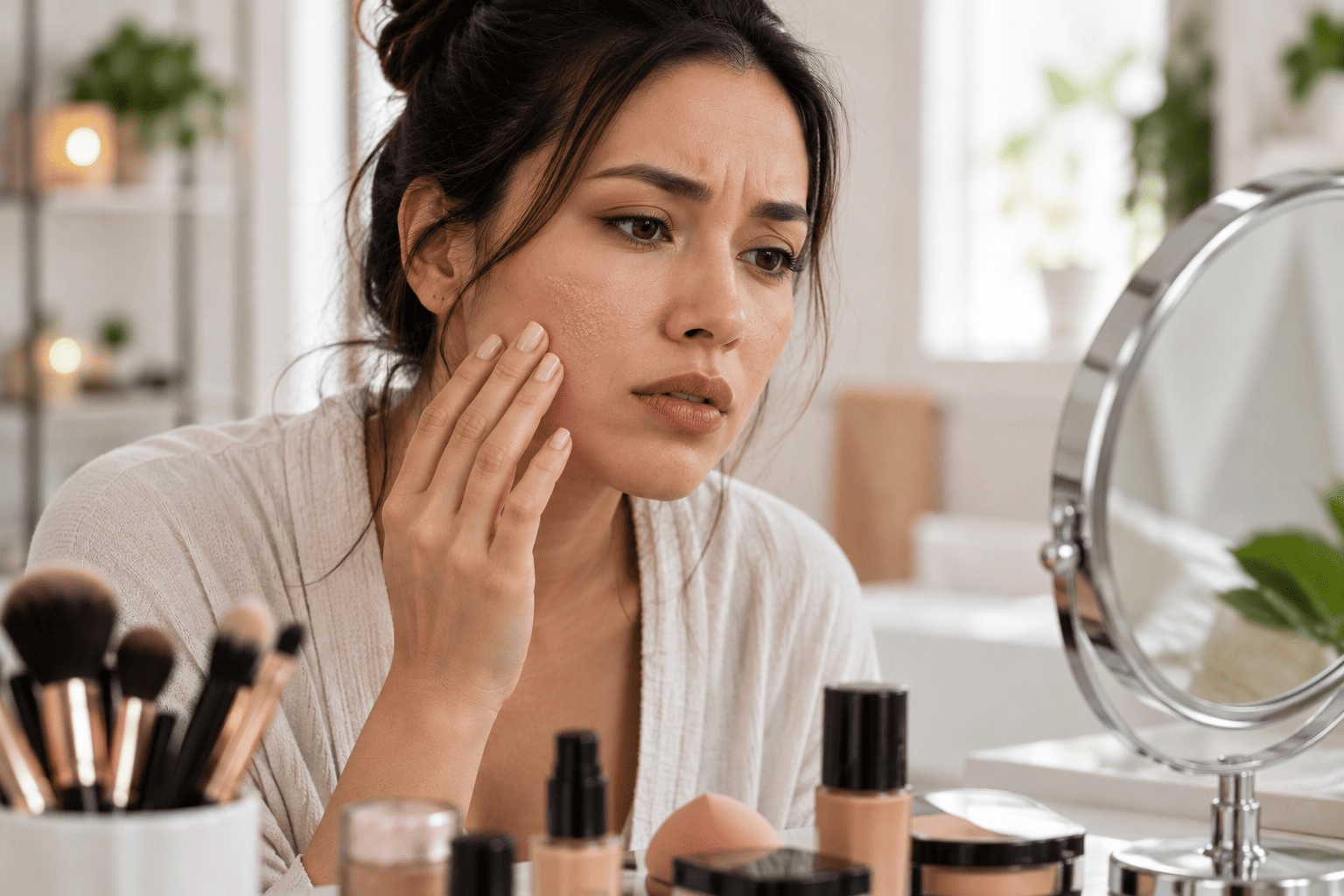
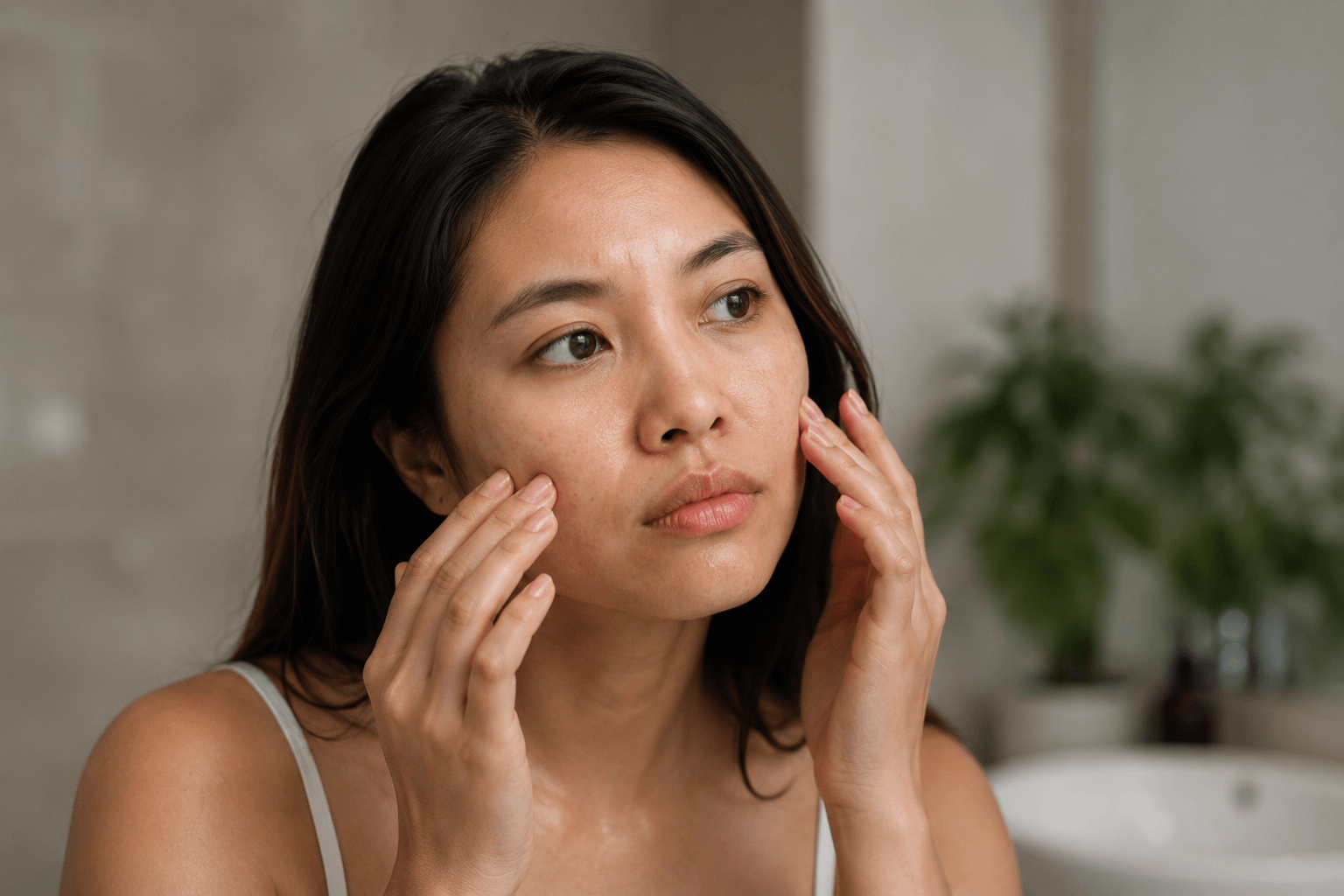
You have tried a new foundation, switched primers, even changed your whole application technique, and your makeup still looks a little uneven, a little textured, or like it is sitting on top of your skin instead of blending into it. If this sounds familiar, the issue is probably not your makeup at all. It is likely what is happening on the surface of your skin underneath it, specifically a buildup of dead skin cells and fine vellus hair that most people do not think about until someone points it out.
At Louisville Aesthetics, this is a concern that comes up constantly, often from clients who have spent a small fortune trying new products before ever considering that the real fix might be a skin treatment rather than a new bottle of foundation. This guide explains what is actually causing that patchy, textured feel, and how dermaplane treatment Louisville clients have discovered can smooth things out at the source.
Two main things accumulate on the surface of facial skin over time. The first is dead skin cells. Skin naturally sheds its outermost layer roughly every three to four weeks, but this process slows down with age, dehydration, and certain skin conditions, allowing dull, dry cells to pile up rather than shed on schedule. The second is vellus hair, the fine, soft hair often referred to as peach fuzz that covers most of the face. While completely normal and not something to be self conscious about, this hair can trap oil, product, and dead skin against the surface, adding another layer to the texture makeup has to sit on top of.
Foundation, powder, and other makeup products are designed to sit on smooth, evenly textured skin. When there is a layer of dry, flaky, or uneven dead skin cells combined with fine facial hair, makeup has an inconsistent surface to adhere to. This is why foundation can look cakey in some spots, sink into fine lines in others, and generally fail to give that smooth, even finish so many people are chasing. It is also why some people notice their makeup seems to look better right after a facial or exfoliating treatment, even without changing a single product.
A few common signs suggest that dead skin and vellus hair buildup, rather than your actual skin health or product choice, might be behind the patchy look. These include skin that feels rough or slightly bumpy to the touch even without visible blemishes, a dull or grayish cast that persists despite a consistent skin care routine, foundation that seems to separate or look uneven within just a few hours of application, and visible fine hair that catches light in certain angles, especially noticeable in photos with flash.
Not exactly, though the two can look similar and often overlap. Dry skin refers to a lack of oil or moisture in the skin itself, while surface buildup refers to a physical layer of dead cells and debris sitting on top, regardless of how hydrated the skin underneath actually is. In fact, oily skin can experience just as much buildup as dry skin, since excess oil can trap dead skin cells against the surface just as effectively. This is why buildup related texture issues affect a wide range of skin types, not just those with naturally dry skin.
At home scrubs and chemical exfoliants can help manage some surface buildup, but they generally cannot remove vellus hair or achieve the same level of precise, even exfoliation that a professional treatment provides. If you have been consistent with an at home routine for a few months and are still noticing texture issues or patchy makeup application, a professional treatment is likely to deliver a more noticeable and immediate difference.
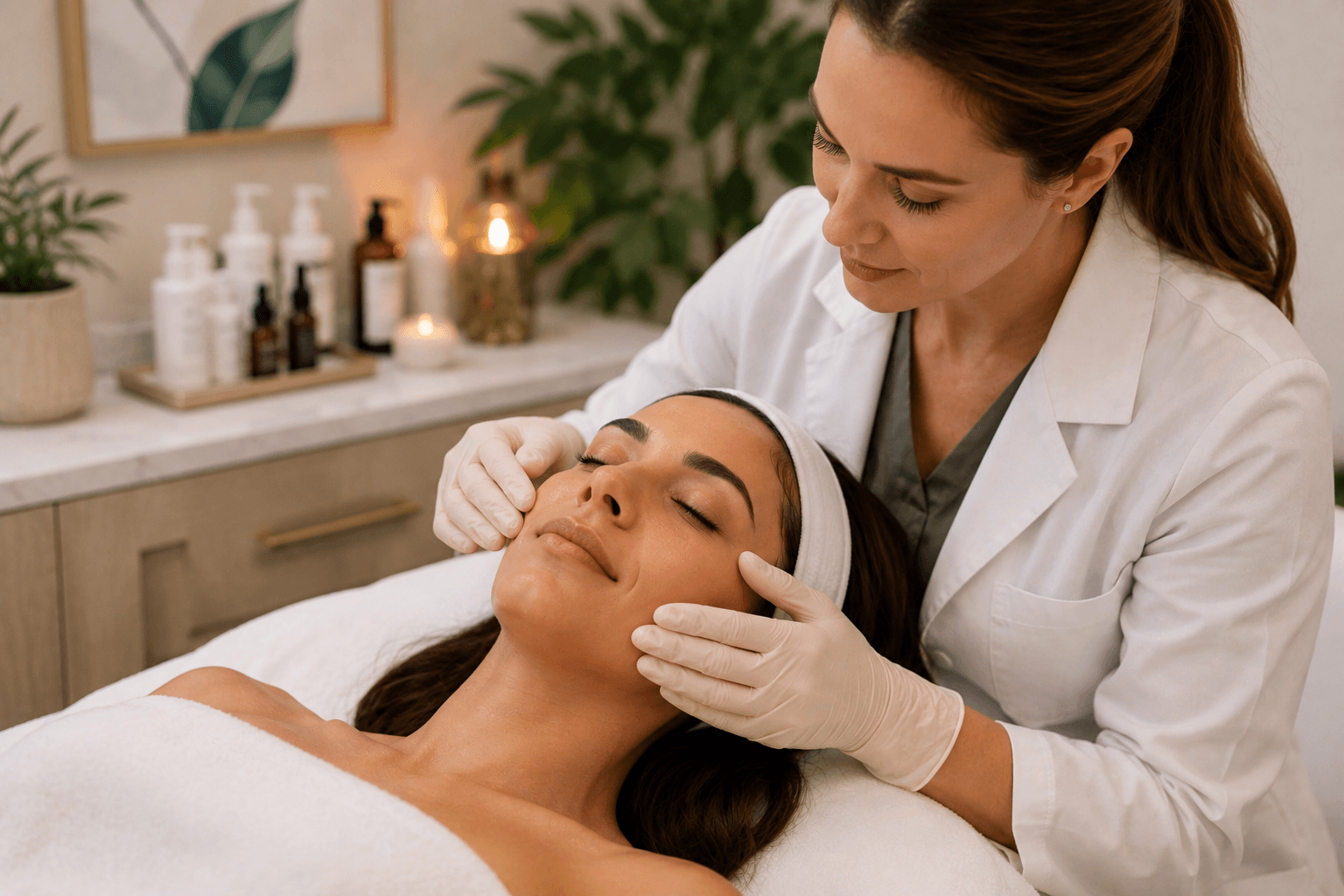
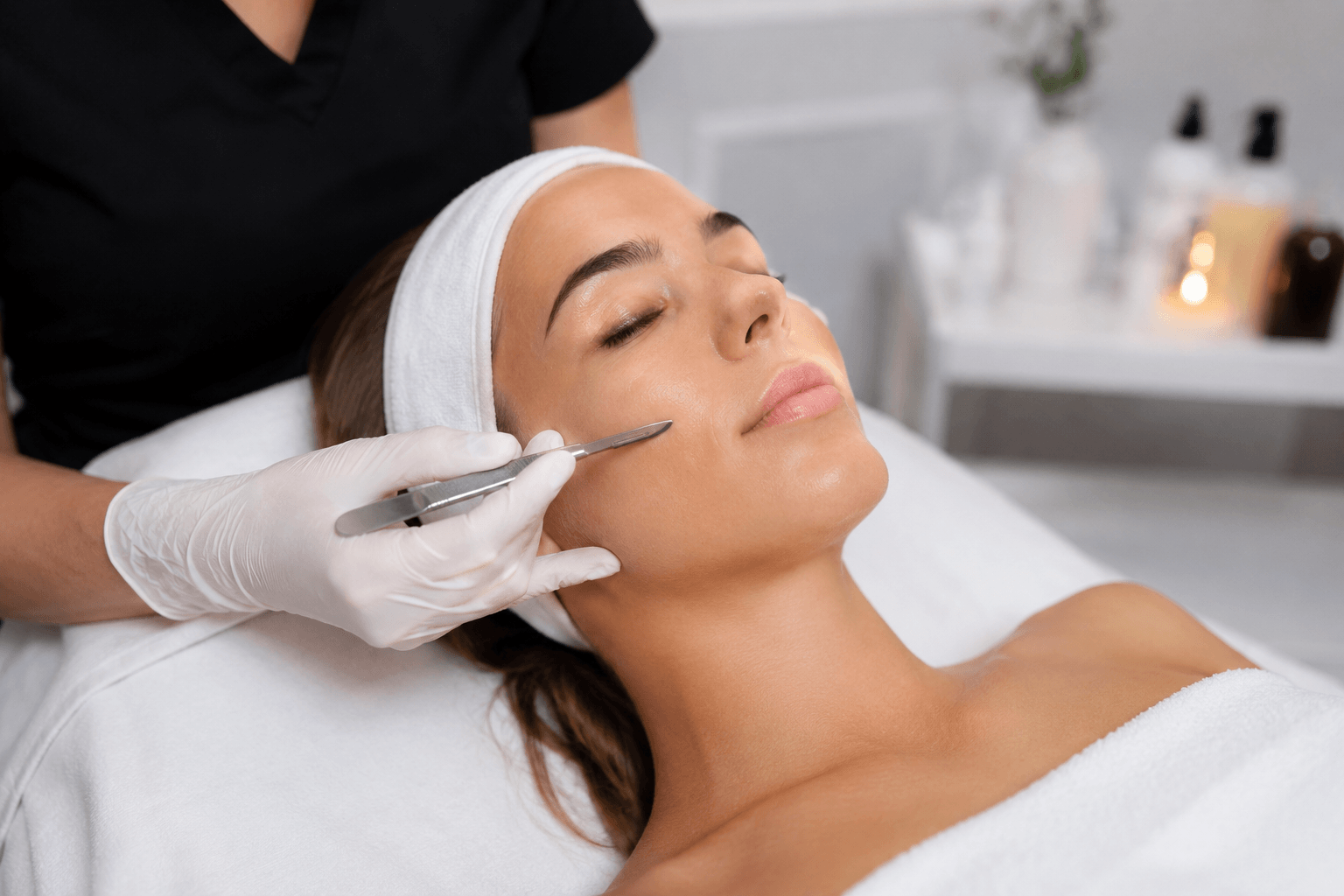
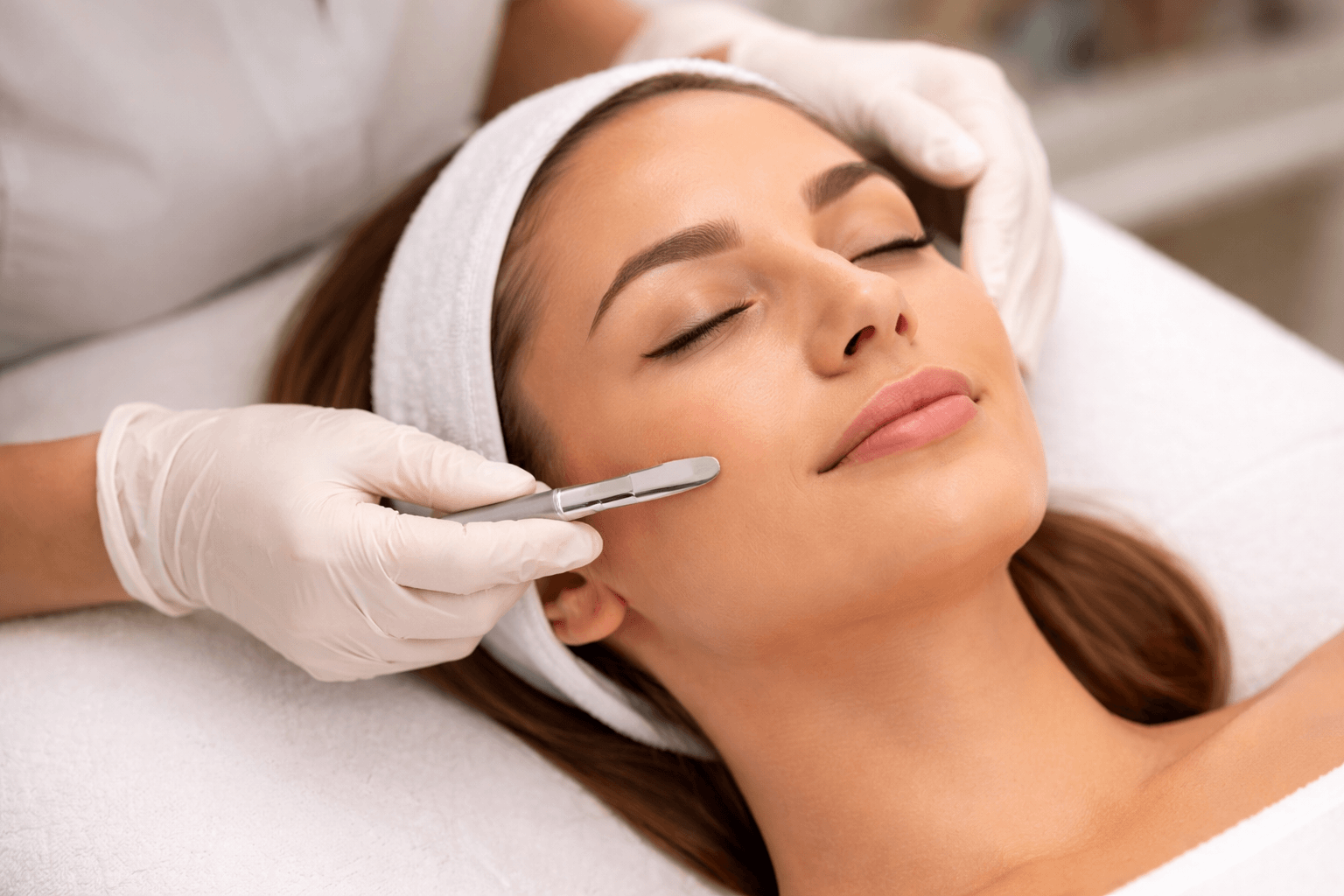
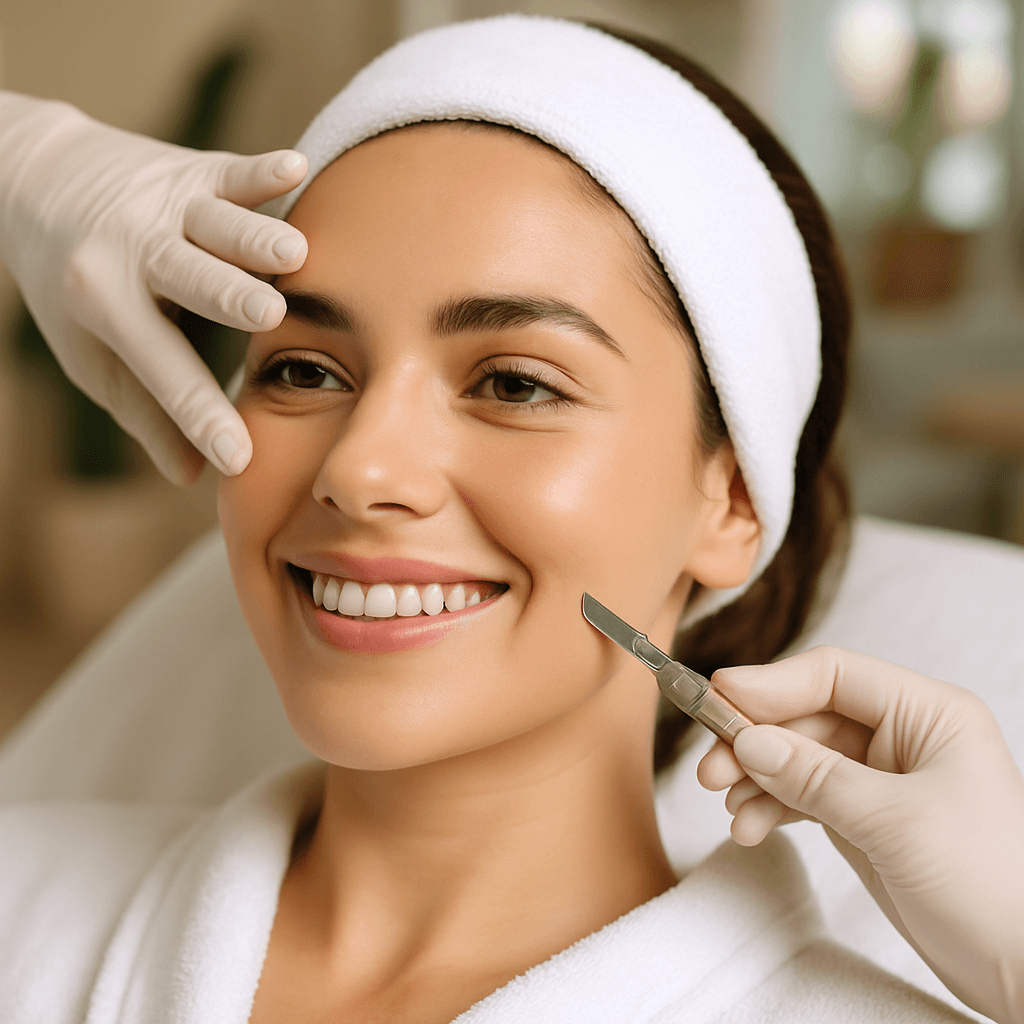
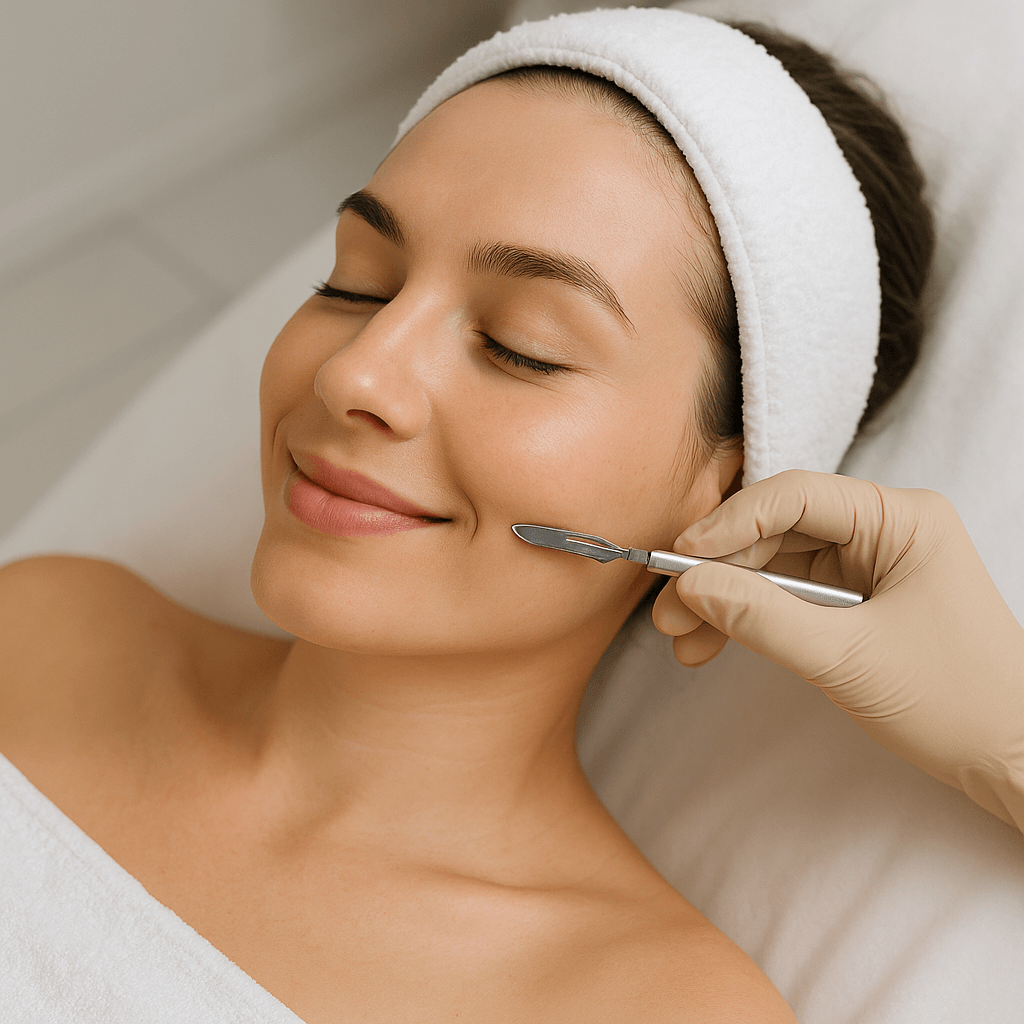
Dermaplaning is a manual exfoliation treatment performed by a trained esthetician using a surgical grade blade to gently scrape away the outermost layer of dead skin cells along with vellus hair. Unlike chemical exfoliants, which work gradually, dermaplaning provides an immediate, visible result, leaving skin noticeably smoother right away. Because the treatment removes both dead skin buildup and the fine hair layer in a single session, it directly addresses the two main factors that make foundation and other makeup products look uneven or patchy.
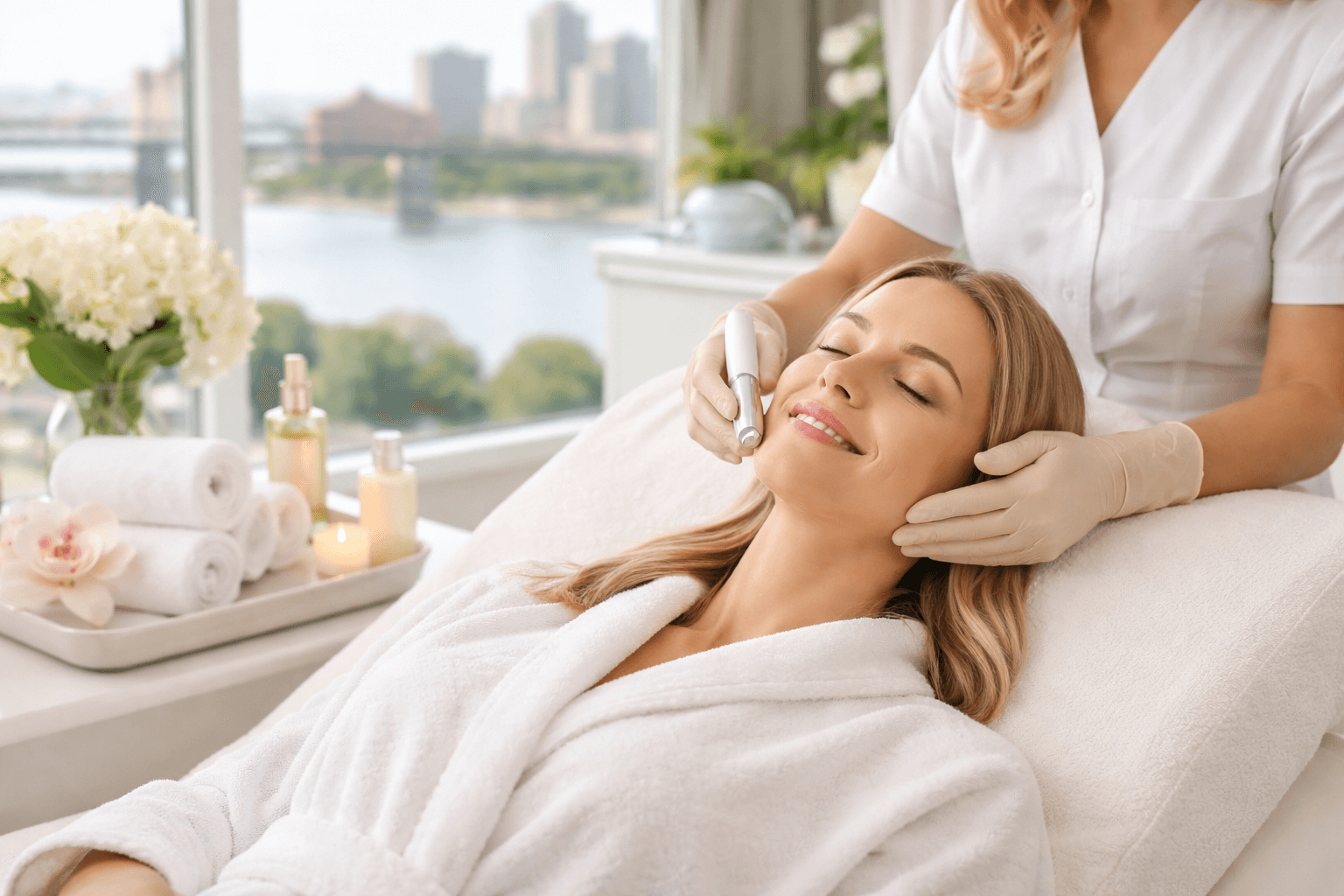
At Louisville Aesthetics, the dermaplane treatment is designed to leave skin smooth, brighter, and better prepared to absorb skin care products and hold makeup evenly throughout the day. Many clients specifically schedule dermaplaning ahead of events or photography sessions for exactly this reason, since the improvement in makeup application is often one of the most noticeable results.
This is one of the most common misconceptions about the treatment, and the answer is no. Vellus hair that is removed through dermaplaning grows back at the same fine texture and color it had before. Shaving or scraping hair does not change its fundamental structure or growth pattern, since that is determined by the hair follicle itself, not the removal method. The appearance of stubble after any surface hair removal is simply due to the blunt cut edge of regrowing hair, which softens again as it grows out.
A dermaplane session typically takes around thirty minutes and involves the esthetician holding the skin taut while gently gliding a blade at a shallow angle across the face to lift away dead skin and fine hair. There is no discomfort involved, and most clients describe the sensation as similar to a light scraping feeling. There is no downtime, and skin often looks brighter and feels smoother immediately after the session, making it a popular choice before special occasions.
Since dermaplaning follows the skin's natural renewal cycle, most estheticians recommend treatments every three to four weeks for ongoing texture maintenance. Some clients choose to schedule sessions specifically before events, while others build it into a regular skin care routine alongside other treatments.
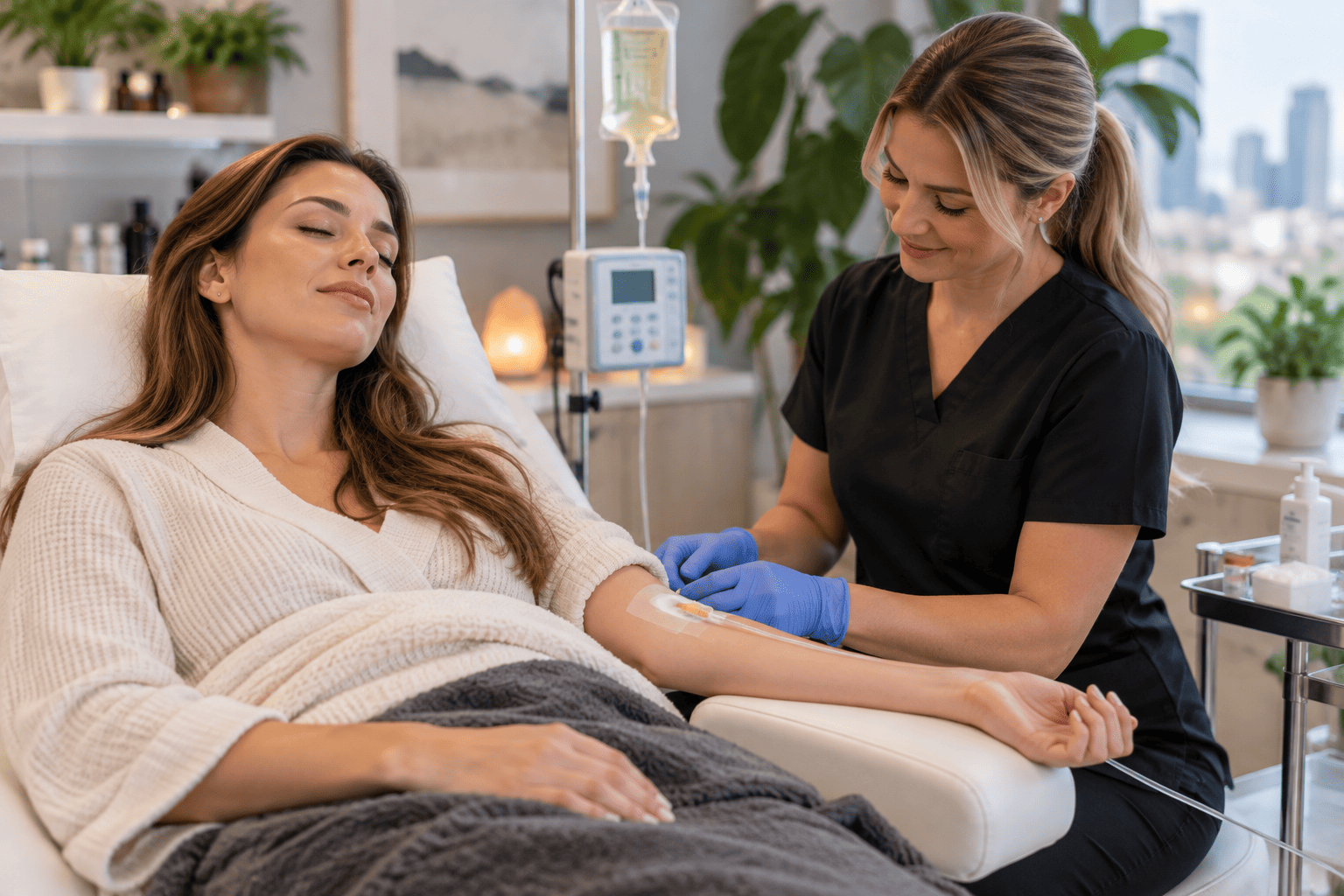
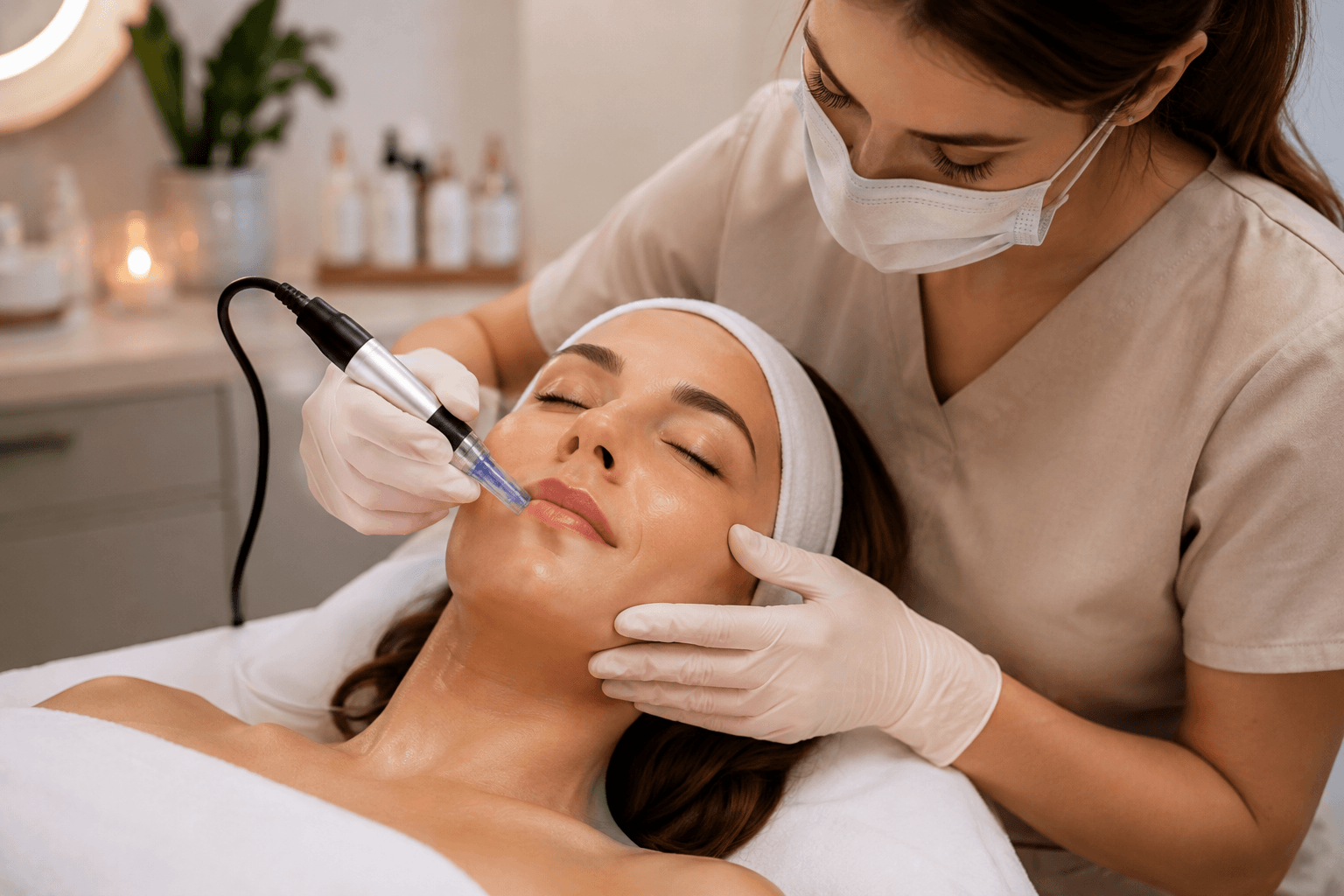
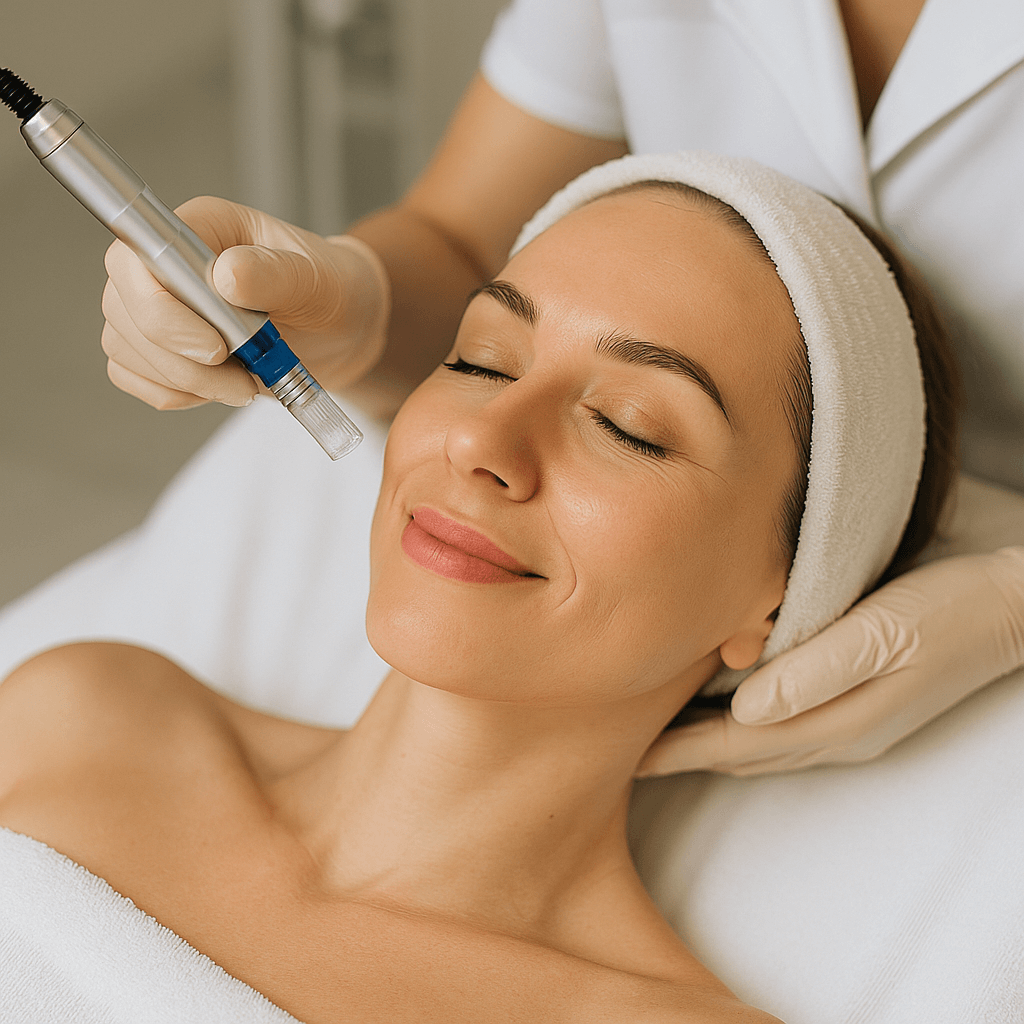
Yes, and it often is. Because dermaplaning removes the outer layer of dead skin, it can actually improve how well other treatments and products perform afterward. Many clients pair dermaplaning with a hydro facial or LA signature facial for a more complete resurfacing and hydration experience. It is also frequently used before microneedling with PRP sessions to allow better product penetration during that treatment.
If your foundation has been fighting you no matter what you try, the issue may have nothing to do with the products themselves. Once the buildup of dead skin and fine facial hair is addressed at the source, makeup tends to apply more evenly almost immediately. The team at Louisville Aesthetics offers the dermaplane treatment louisville clients turn to for smoother texture and a more radiant base for makeup or bare skin alike. Browse the full range of services or reach out through the contact page to schedule your treatment.
Will dermaplaning make my facial hair grow back darker or thicker? No. This is a common myth. Vellus hair grows back at the exact same texture and color as before, since dermaplaning does not affect the hair follicle itself.
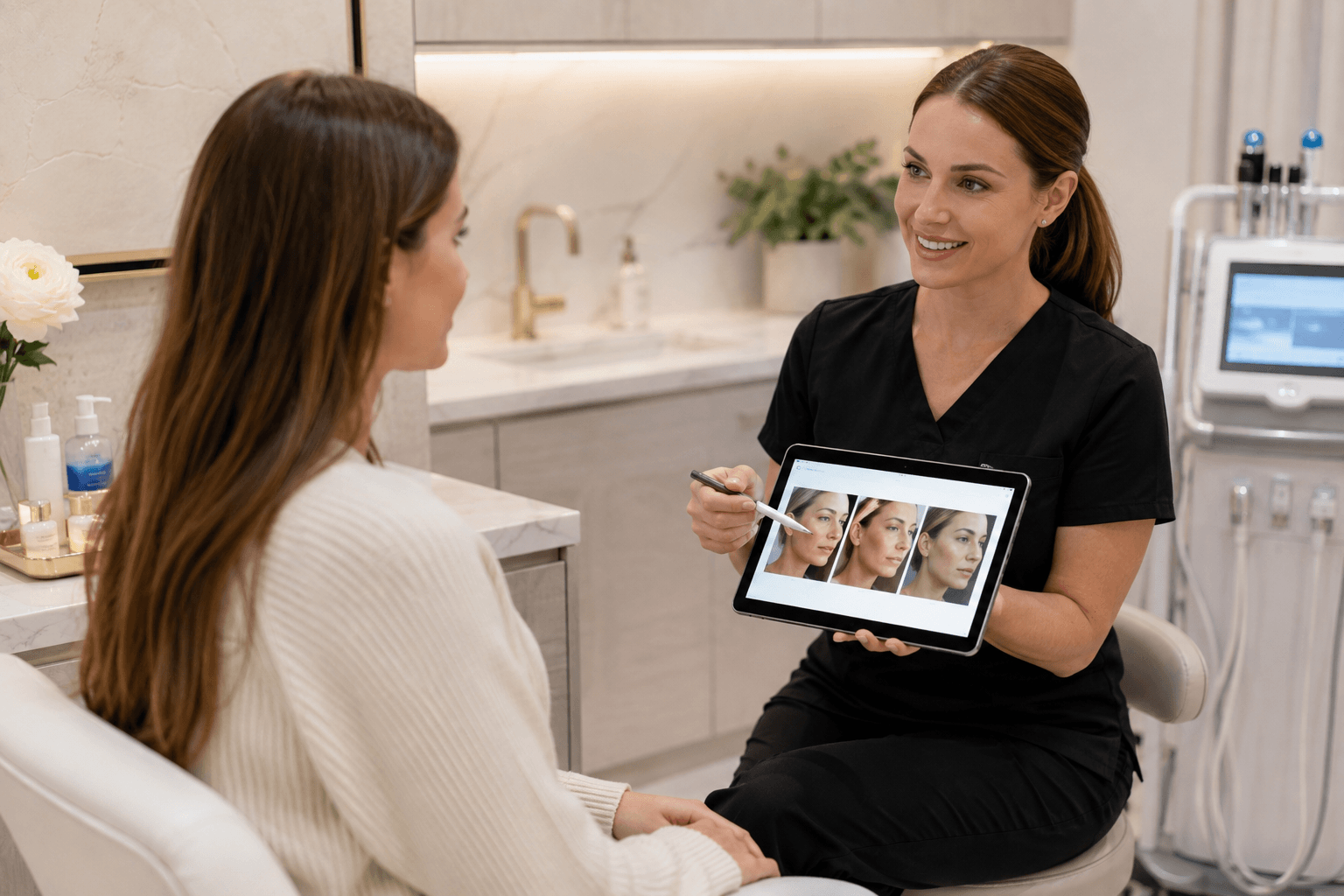
Is dermaplaning safe for sensitive skin? Dermaplaning is generally well tolerated by most skin types, including sensitive skin, since it is a gentle, non chemical form of exfoliation. A consultation can confirm whether it is the right fit for your specific skin.
How soon can I wear makeup after a dermaplane treatment? Most clients can apply makeup right after their session, and many notice it goes on more smoothly than usual.
Can dermaplane treatment Louisville sessions help with acne scarring? Dermaplaning can improve the appearance of mild texture irregularities and superficial scarring by smoothing the surface, though deeper scarring may benefit more from treatments like microneedling.
How is dermaplaning different from a chemical peel? Dermaplaning is a manual, blade based exfoliation method that also removes vellus hair, while chemical peels use acids to exfoliate at a cellular level. Some clients benefit from alternating between the two depending on their skin goals.
This guide was updated in August 2026 to reflect current dermaplaning techniques and guidance for Louisville, Kentucky residents.










.png)
.png)













.png)












.jpg)


