

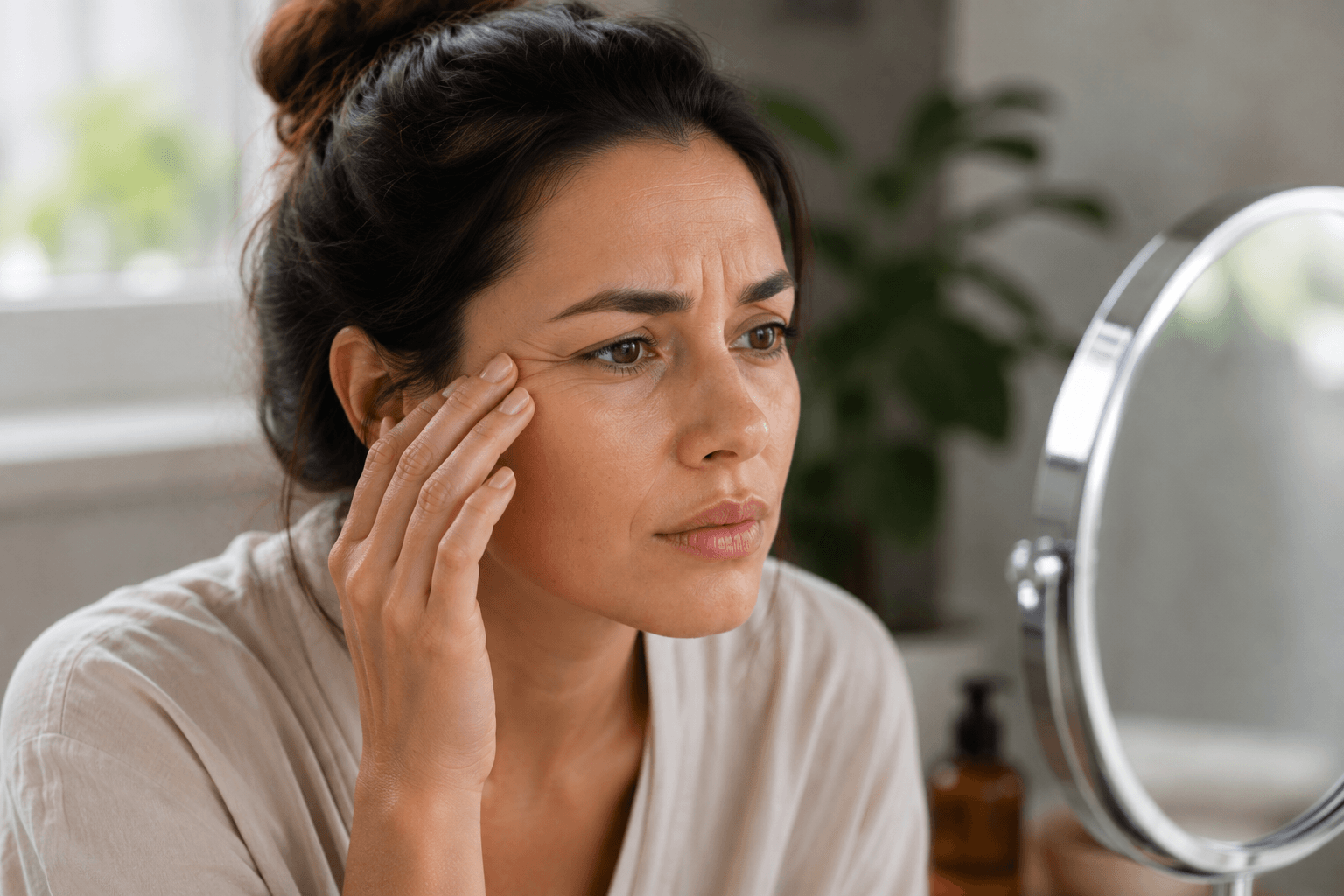
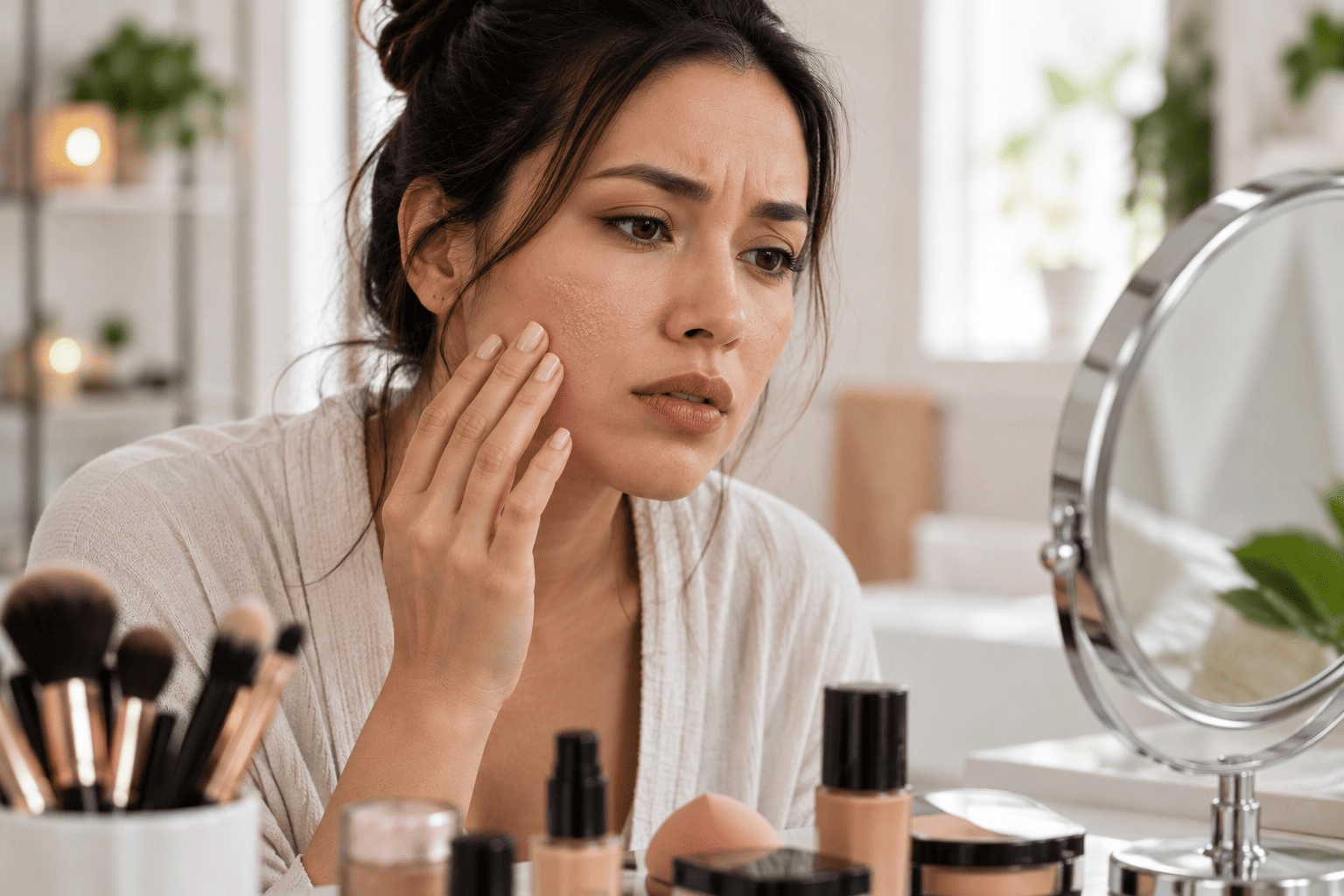
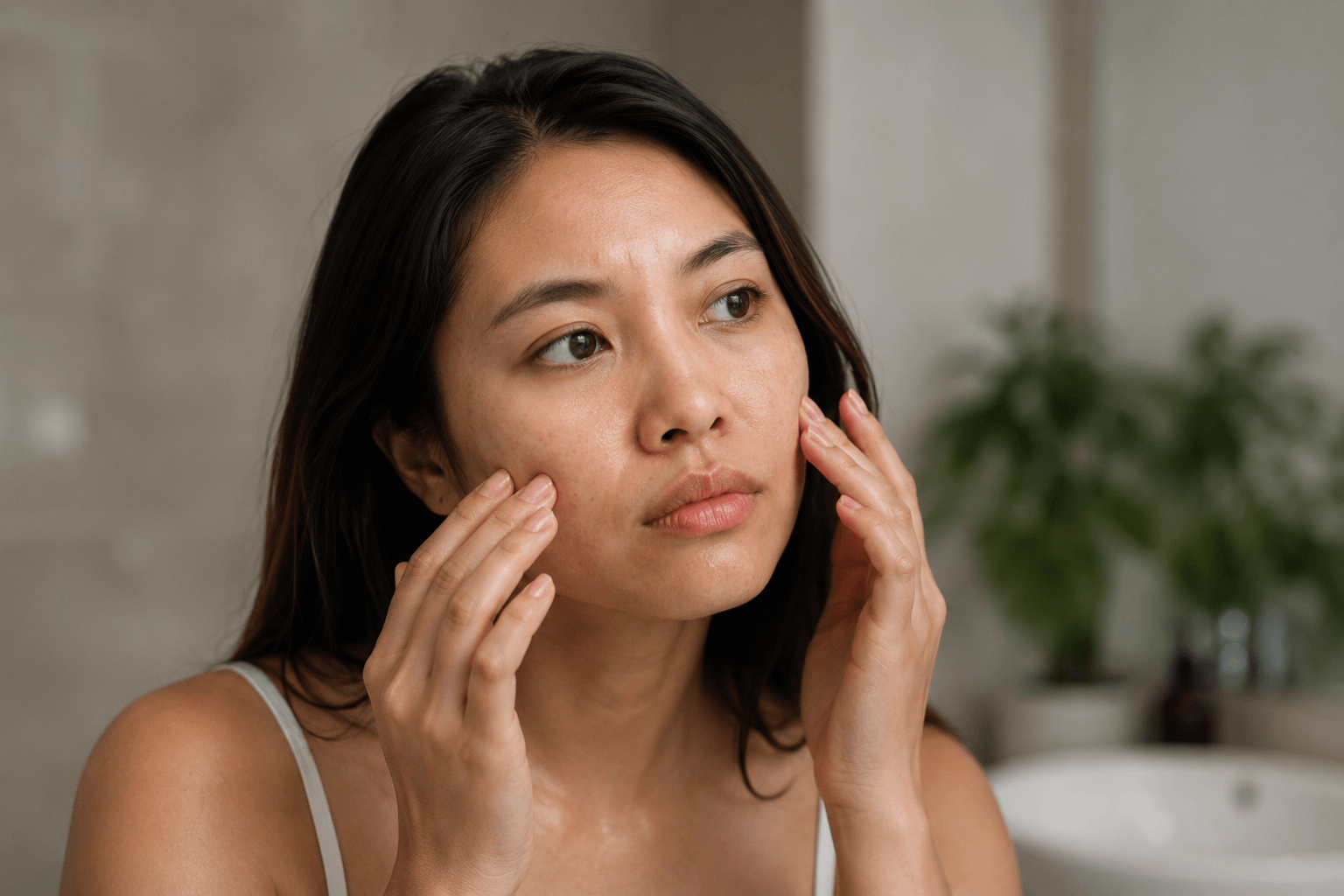
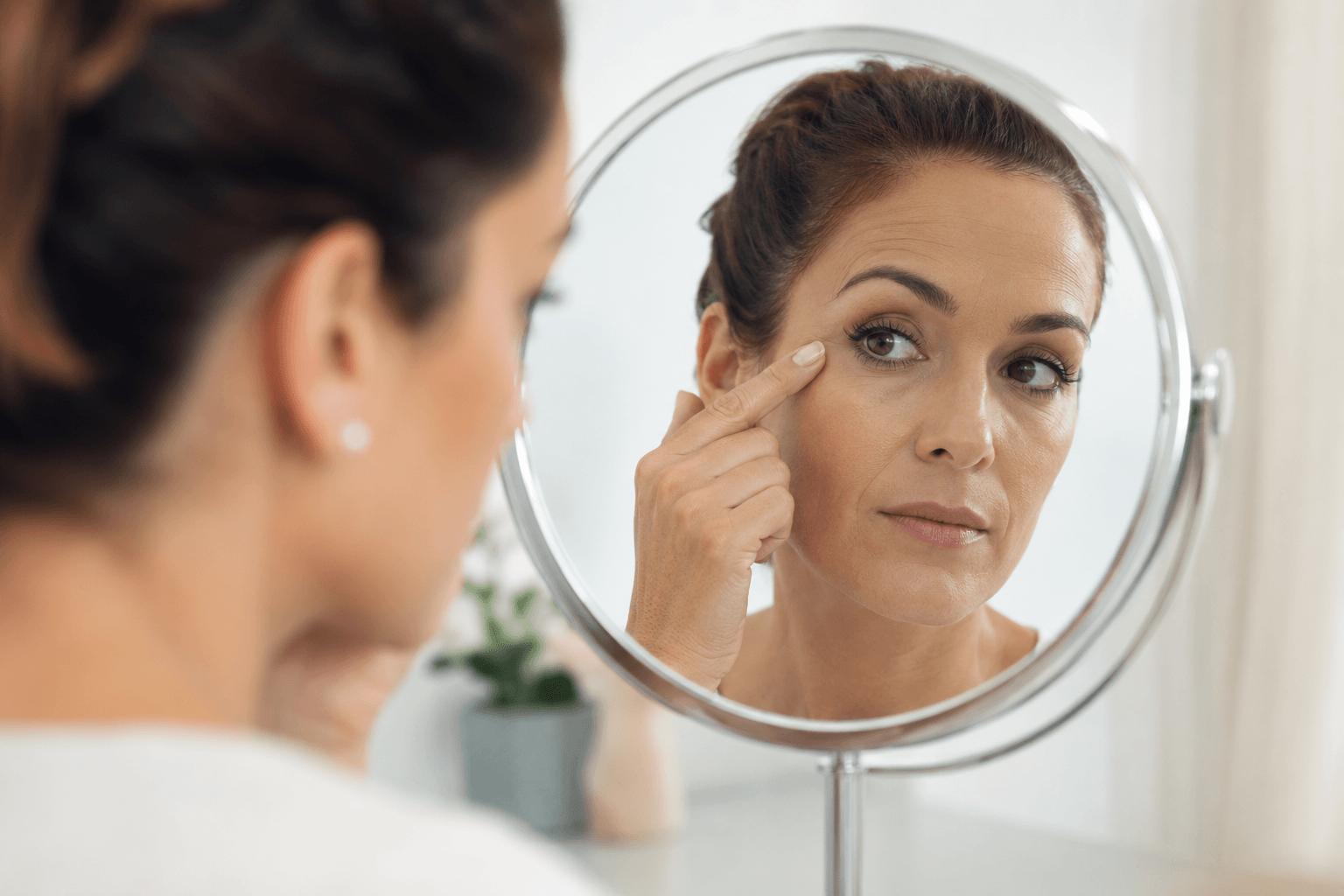
You laugh, you squint in the sun, you make the same facial expressions everyone else does, and yet the lines around your eyes and mouth seem to have shown up sooner than they did for your friends. It can feel confusing, even a little unfair, especially when you take reasonably good care of your skin. The truth is that expression lines are not just about age. They are about repetition, skin structure, and a handful of factors that vary quite a bit from person to person.
At Louisville Aesthetics, this is a question that comes up constantly during consultations, particularly from clients in their late twenties through forties who are noticing fine lines earlier than they expected. This article breaks down what is actually causing those lines, why some people develop them faster, and how Dysport Louisville patients have been choosing can help soften them without changing how your face naturally moves.
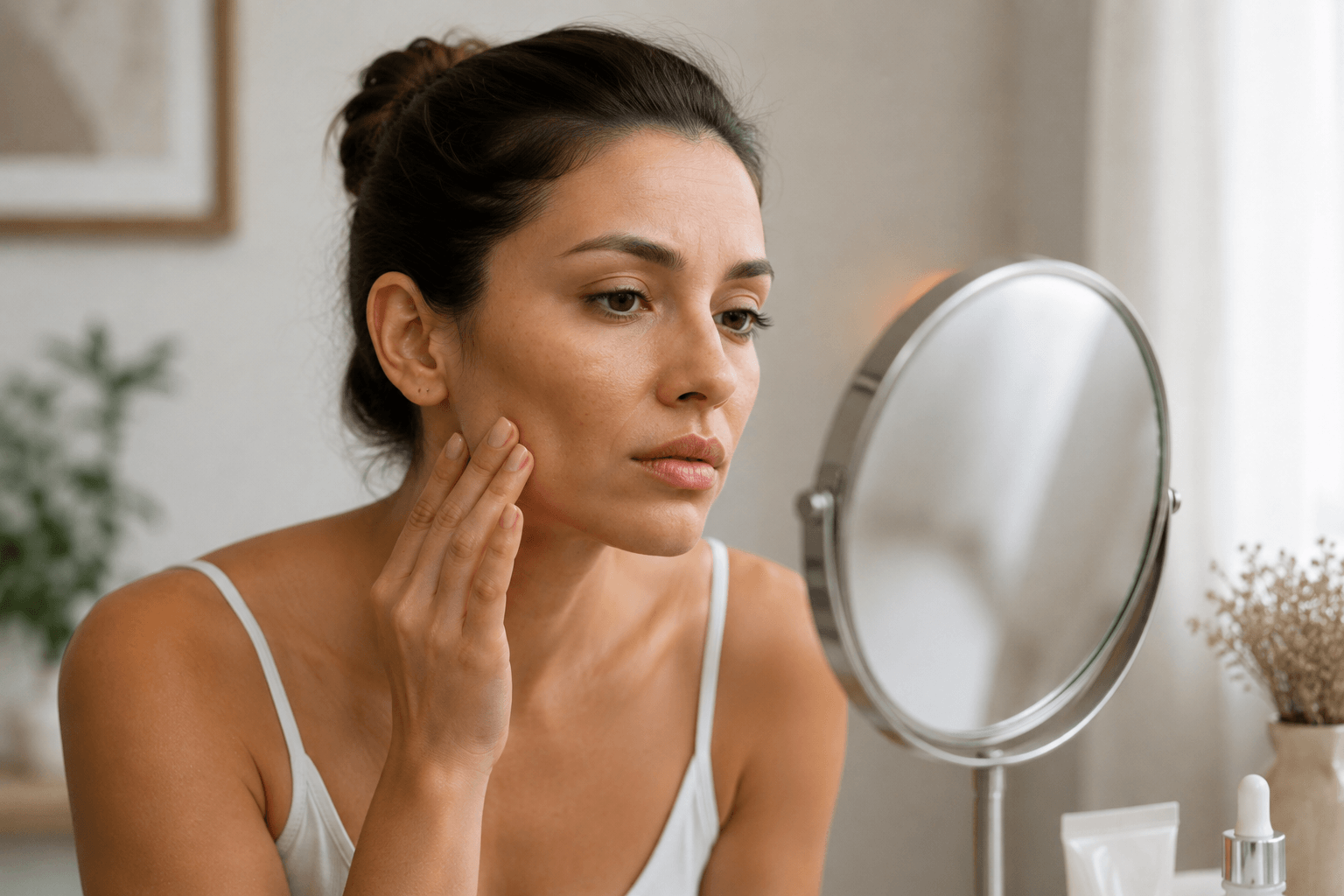
Dynamic wrinkles are the lines that appear when your facial muscles contract, such as crow's feet when you smile or squint, and the fine lines that can form around the mouth and nose when you laugh or talk. Unlike static wrinkles, which are visible even when the face is completely relaxed, dynamic wrinkles only show up during movement, at least at first.
Every time a facial muscle contracts, it creates a temporary crease in the skin above it. Do that same movement thousands of times over the years, and the skin gradually loses its ability to fully bounce back between contractions, eventually forming a line that becomes visible even at rest. This is essentially a repetitive motion pattern, similar to how a piece of paper creases more permanently the more times it is folded along the same line.
Several factors influence how quickly dynamic wrinkles become noticeable.
Skin thickness and elasticity. Thinner skin, which is common around the eyes, shows creasing more readily than thicker skin elsewhere on the face. Genetics play a significant role in how much collagen and elastin your skin naturally produces.
Sun exposure. UV damage breaks down collagen and accelerates skin aging, which is part of why people with significant sun exposure, especially without regular sunscreen use, often develop crow's feet and fine lines earlier than their sun protected peers.
Facial expressiveness. People who smile, squint, or express emotion more animatedly through their face naturally repeat these muscle contractions more often, which can speed up the formation of dynamic lines.
Smoking. Smoking reduces blood flow to the skin and breaks down collagen, and the repeated pursing motion involved in smoking itself contributes directly to lines around the mouth.
Sleep position and habits. Consistently sleeping on one side can contribute to lines on that side of the face over time, adding to the effect of muscle movement.
Dehydration and skin care habits. Skin that is chronically under hydrated or that goes without sun protection tends to show fine lines more prominently than well cared for, adequately moisturized skin.
Prevention is partly about protecting the skin itself, through daily sunscreen use, proper hydration, and avoiding smoking, all of which help preserve the collagen that keeps skin resilient. But since dynamic wrinkles are fundamentally caused by repeated muscle movement, skin care alone cannot fully prevent them from eventually forming. This is why many people, even in their late twenties and thirties, choose to address the muscle movement itself before lines become deeply set, a preventive approach sometimes referred to as baby botox style treatment, using smaller, more conservative doses to soften movement without eliminating expression.
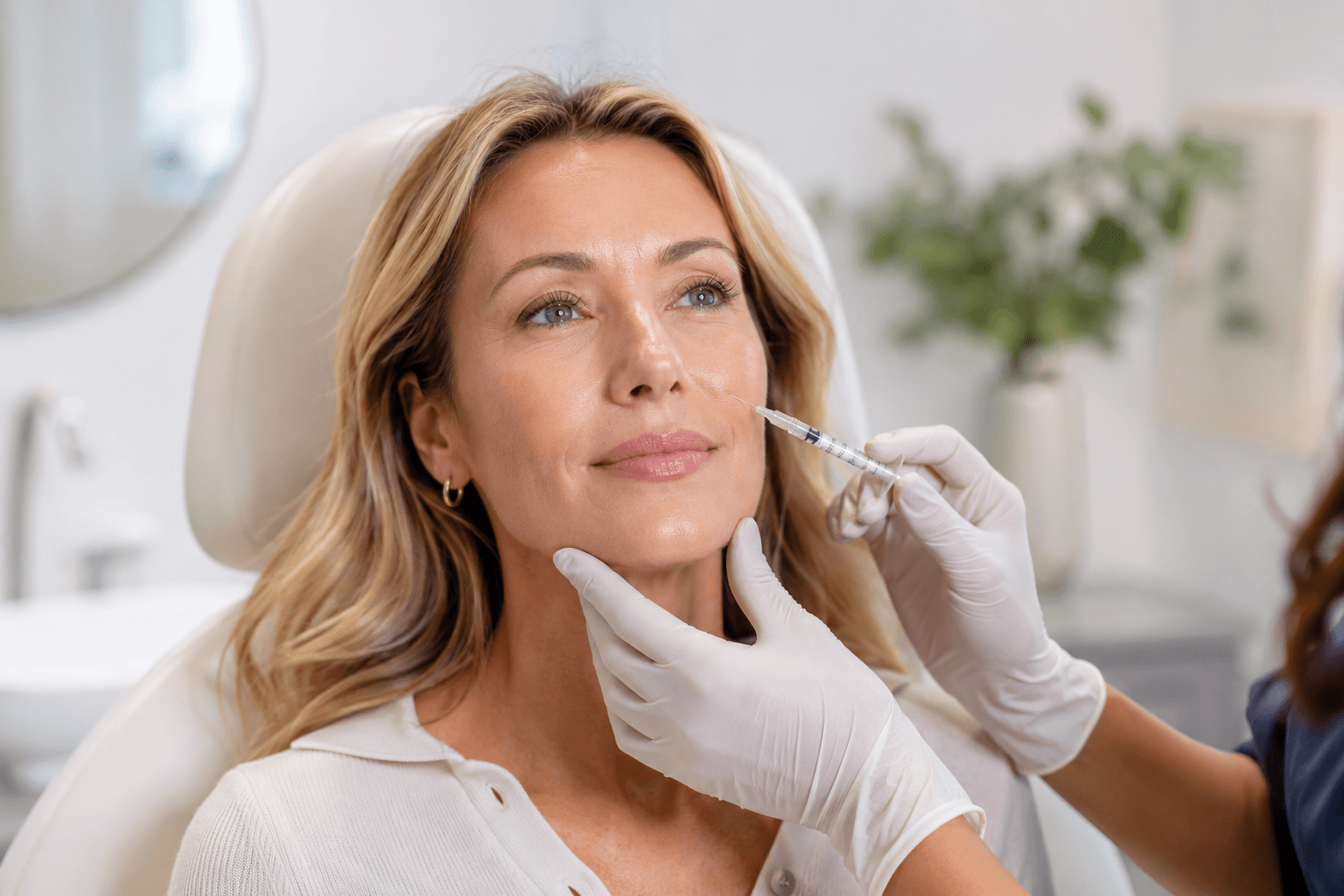
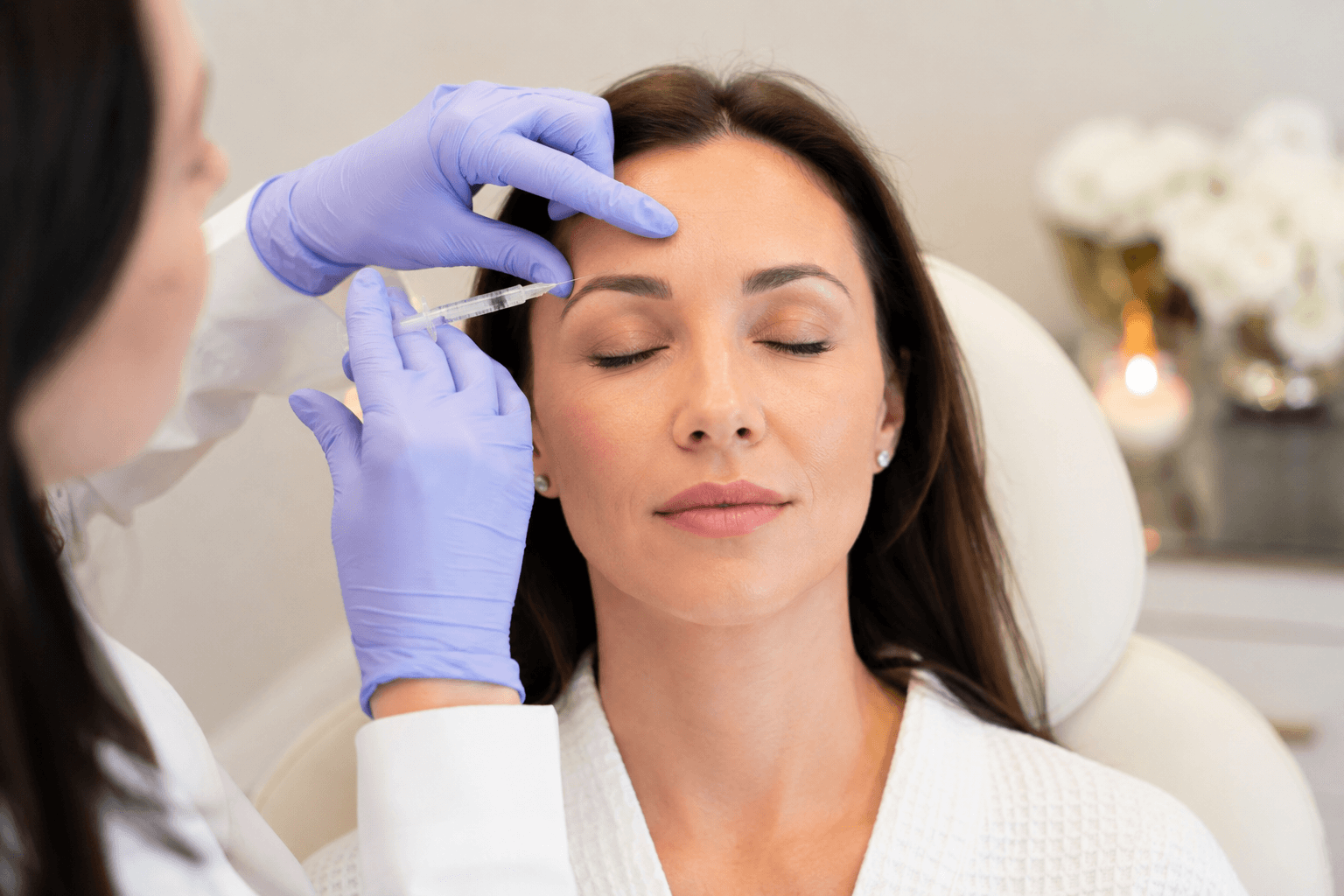
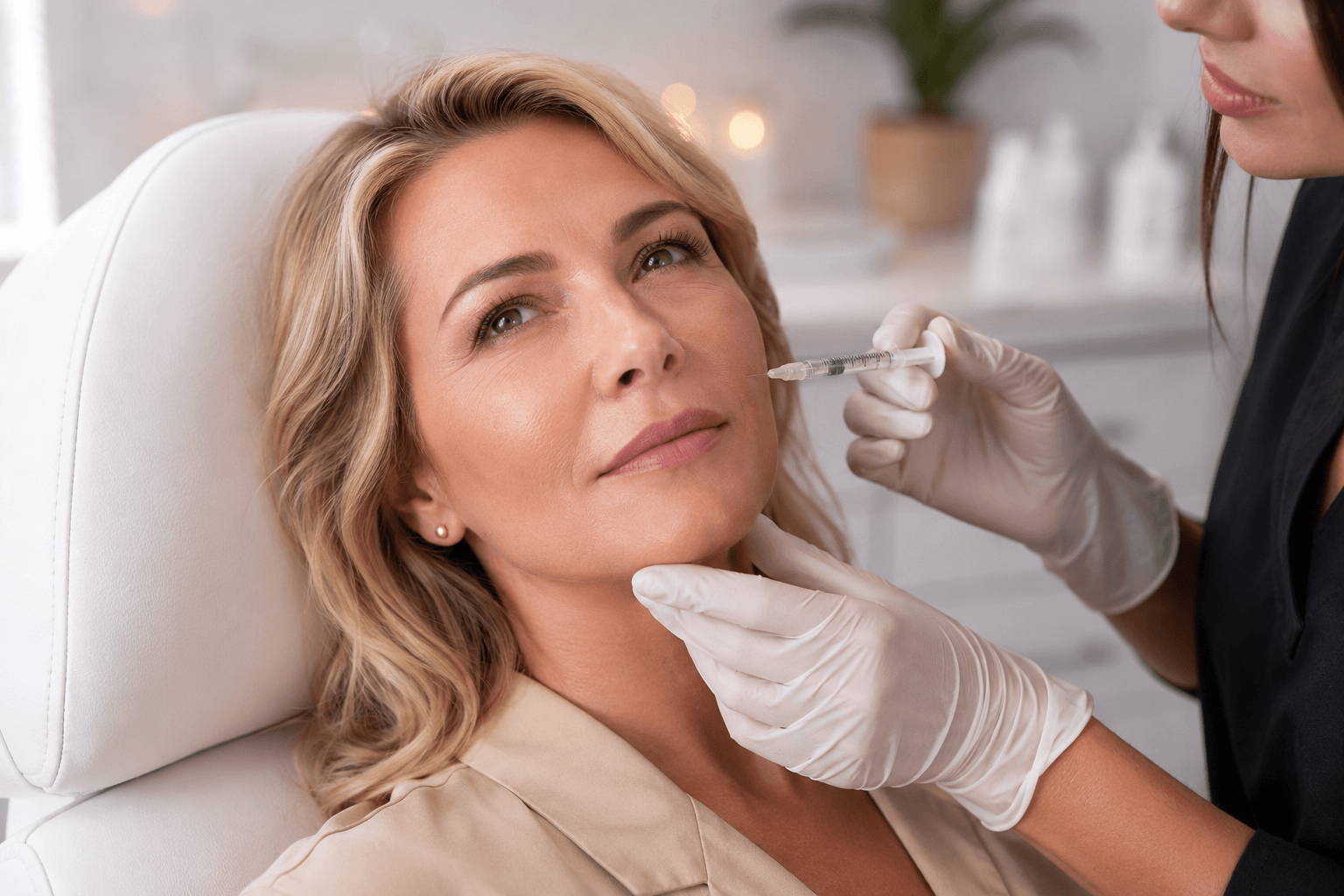
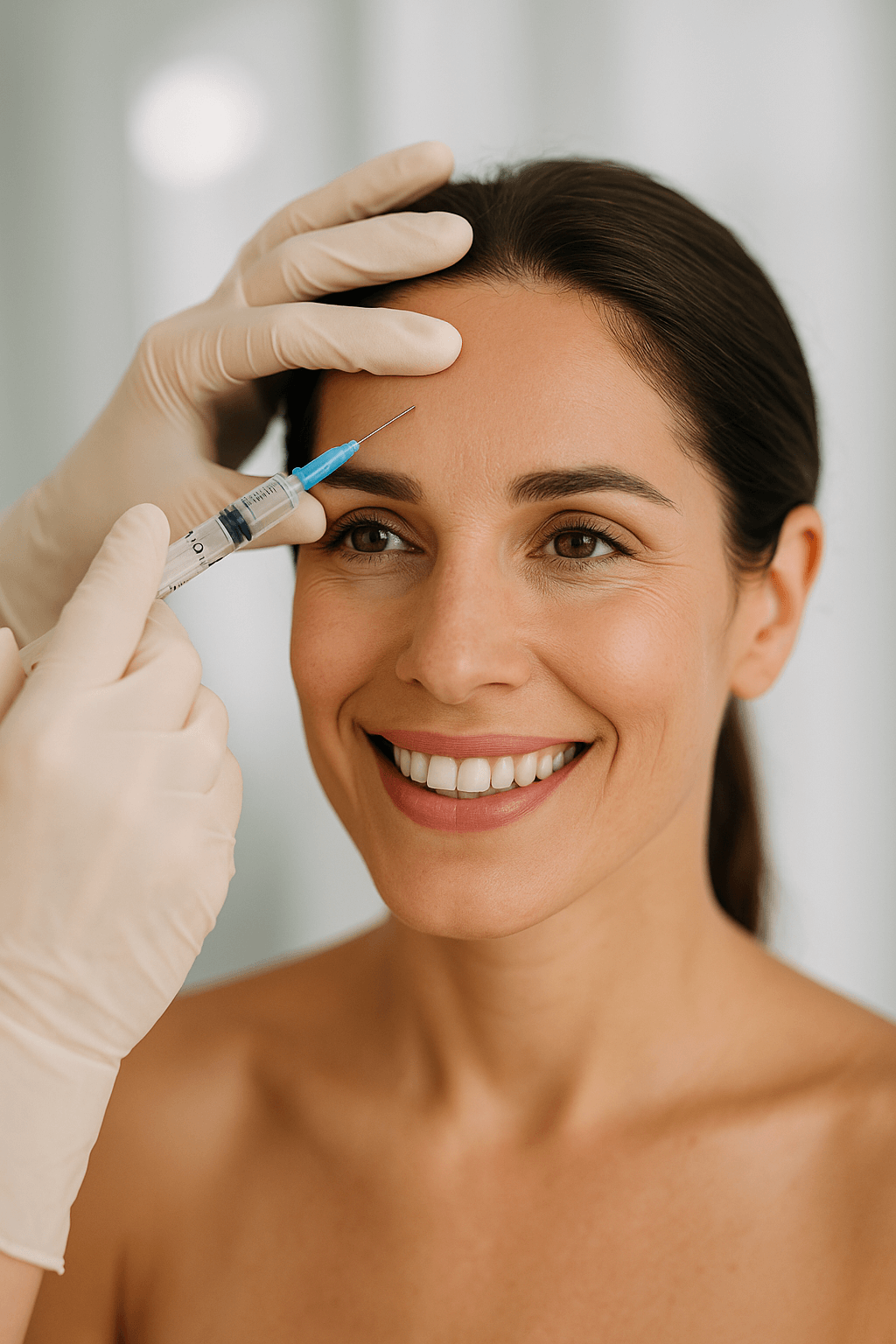
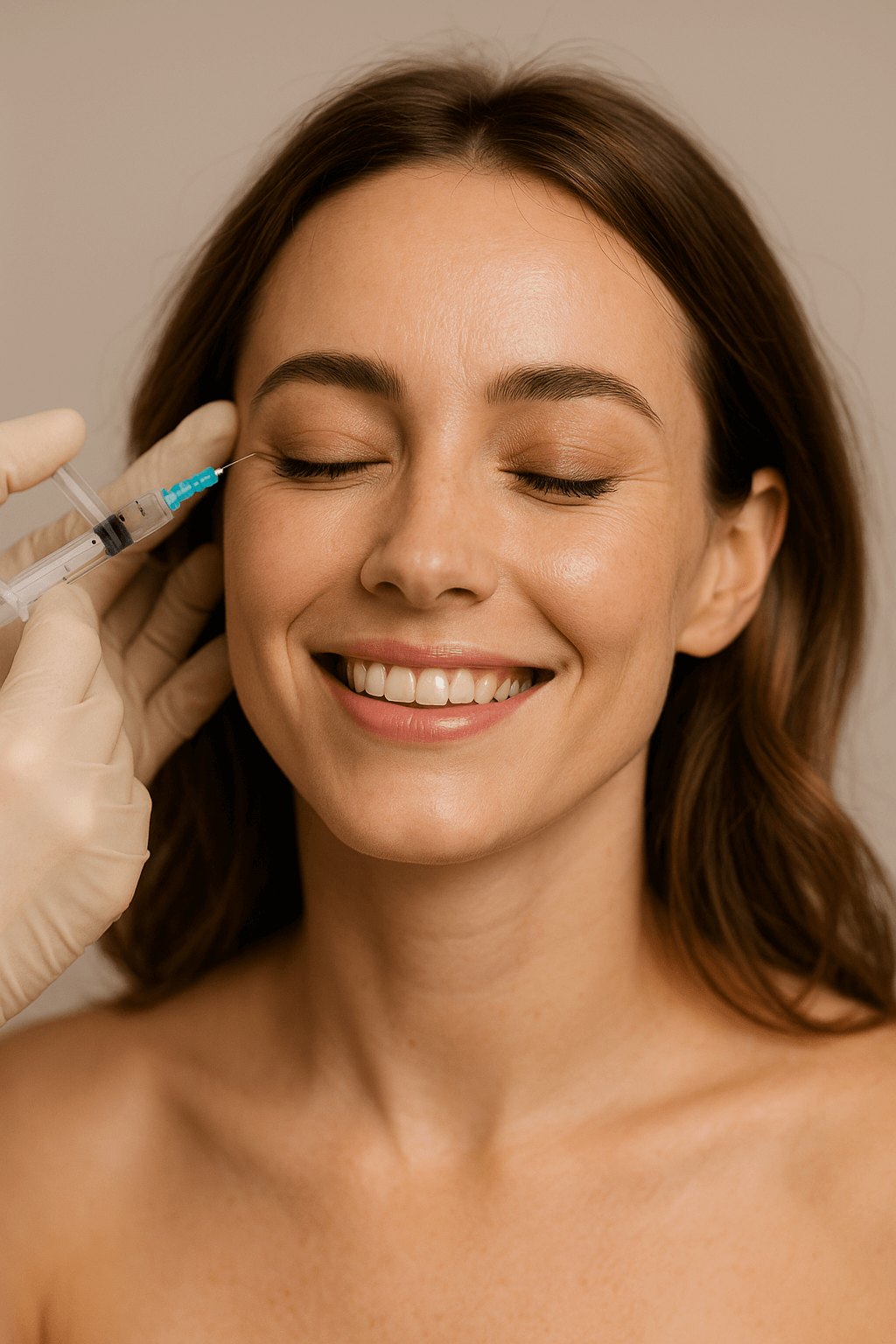
Dysport is a neuromodulator that temporarily relaxes the targeted facial muscles responsible for dynamic wrinkles. By reducing the strength of these muscle contractions, Dysport softens the repeated folding action that creates lines like crow's feet, forehead lines, and the lines between the eyebrows, allowing the skin above to smooth out over time.
At Louisville Aesthetics, Dysport is offered alongside other neuromodulators including Botox, Xeomin, and Jeuveau, giving clients options based on how their skin and muscles respond to different formulations. Dysport in particular is known for a slightly faster onset compared to some other neuromodulators, along with a diffusion pattern that many injectors find well suited to broader areas like the forehead.
While crow's feet are one of the most common areas treated, Dysport is also frequently used for forehead lines and the vertical lines between the eyebrows, often called glabellar lines or elevens. Some providers also use it in smaller, more conservative amounts around the lips or jawline for specific concerns, though these applications are less common and depend heavily on individual facial anatomy. A full anti wrinkle treatment and neurotoxin consultation can help map out which areas make sense for your specific concerns.
Most adults with dynamic wrinkles who are in good general health are candidates for Dysport. It works particularly well for people who are just starting to notice lines that show up during expression but disappear at rest, since this is the stage where the treatment can help prevent those lines from becoming permanently etched. It is also commonly used by people who already have some static lines, since softening the underlying muscle movement can help prevent existing lines from deepening further.
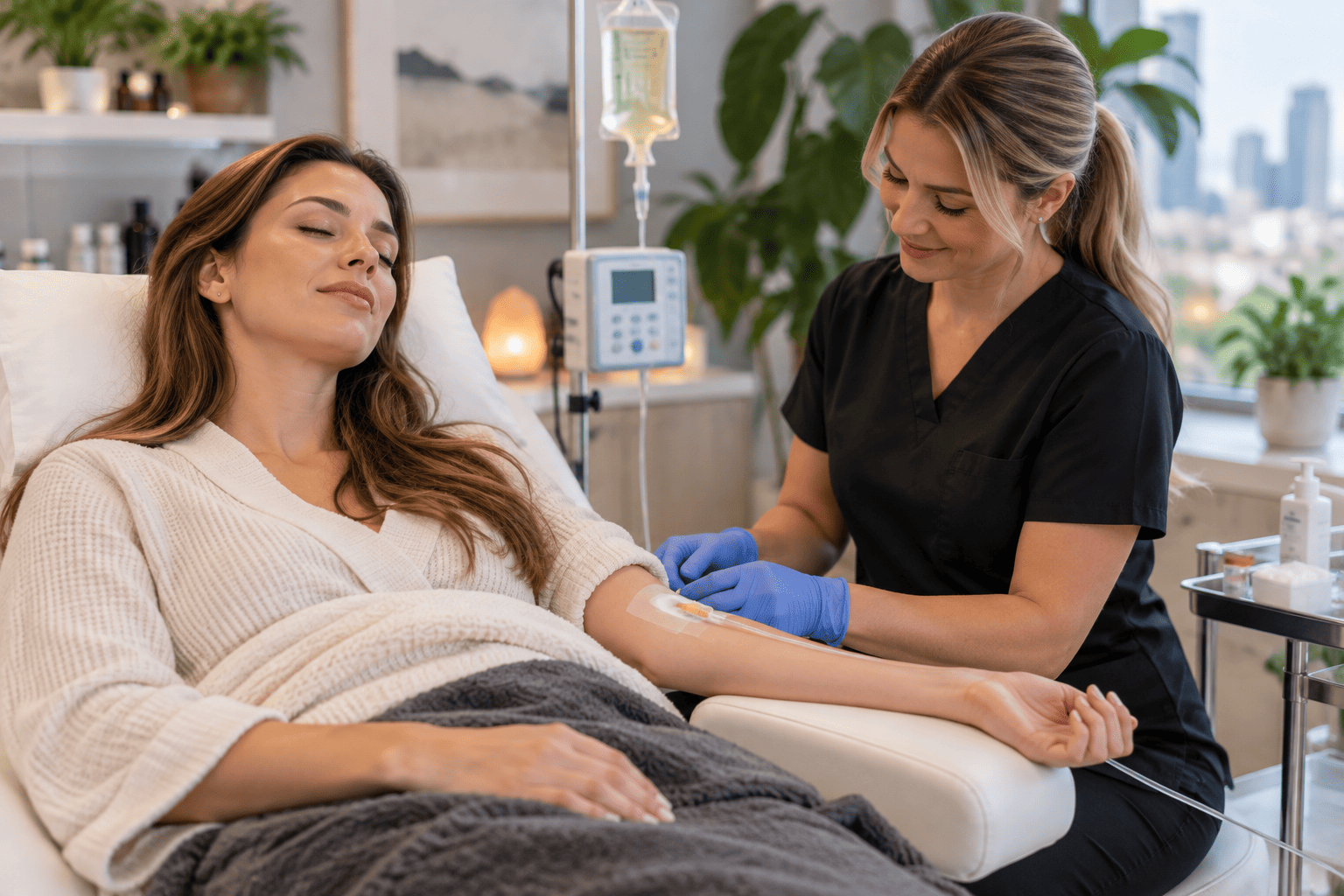
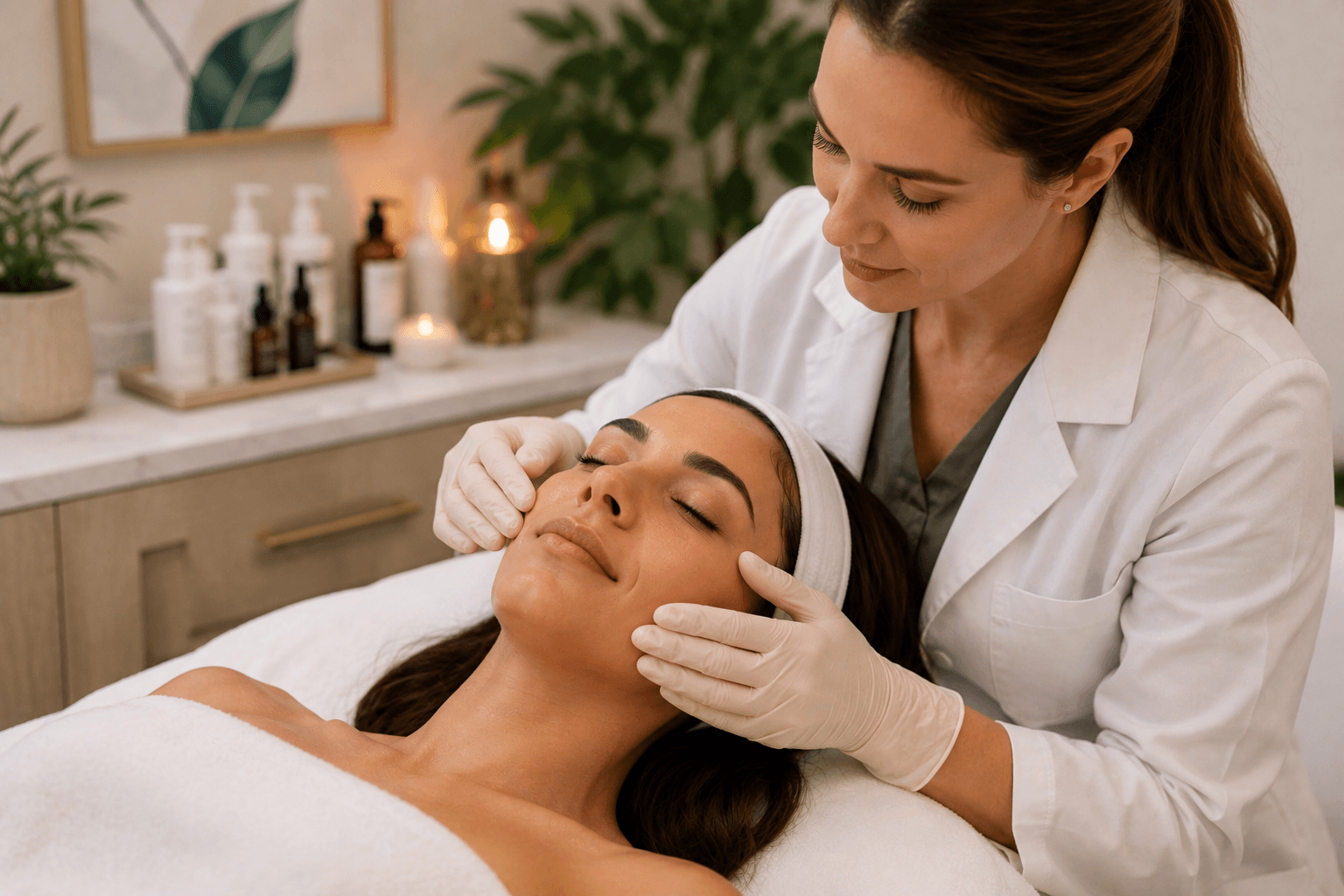
A Dysport appointment is quick, typically taking fifteen to twenty minutes, with results developing gradually over two to five days and full effects visible within about a week. There is generally no significant downtime, though mild redness or small bumps at injection sites can occur briefly. Most clients return to normal activities immediately afterward.
Dysport typically lasts between three and four months, though this varies based on individual metabolism, muscle strength, and how consistently someone maintains their treatment schedule. Many clients find that with regular treatments over time, they need slightly less product to achieve the same result, since the muscles gradually adapt to a more relaxed baseline.
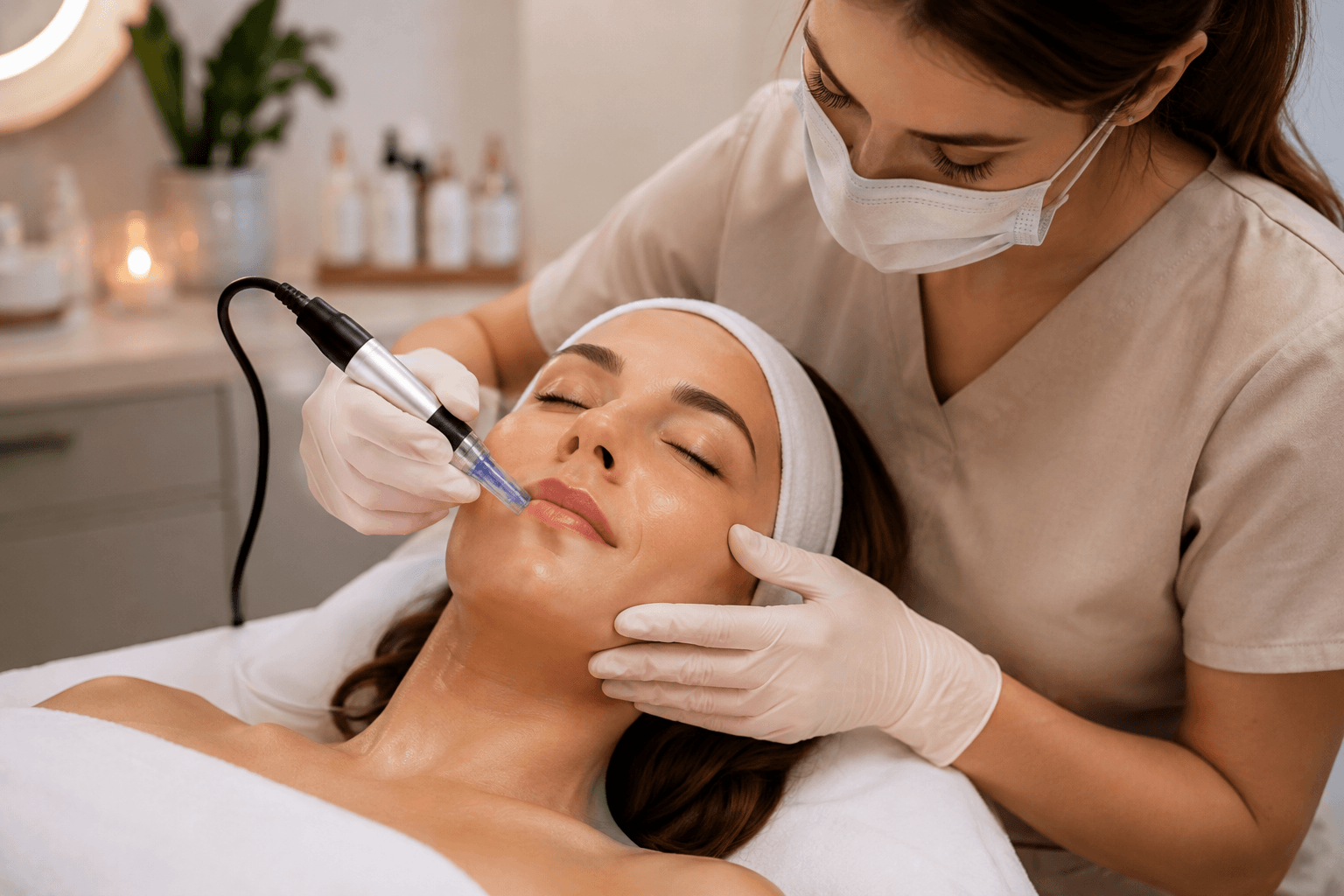
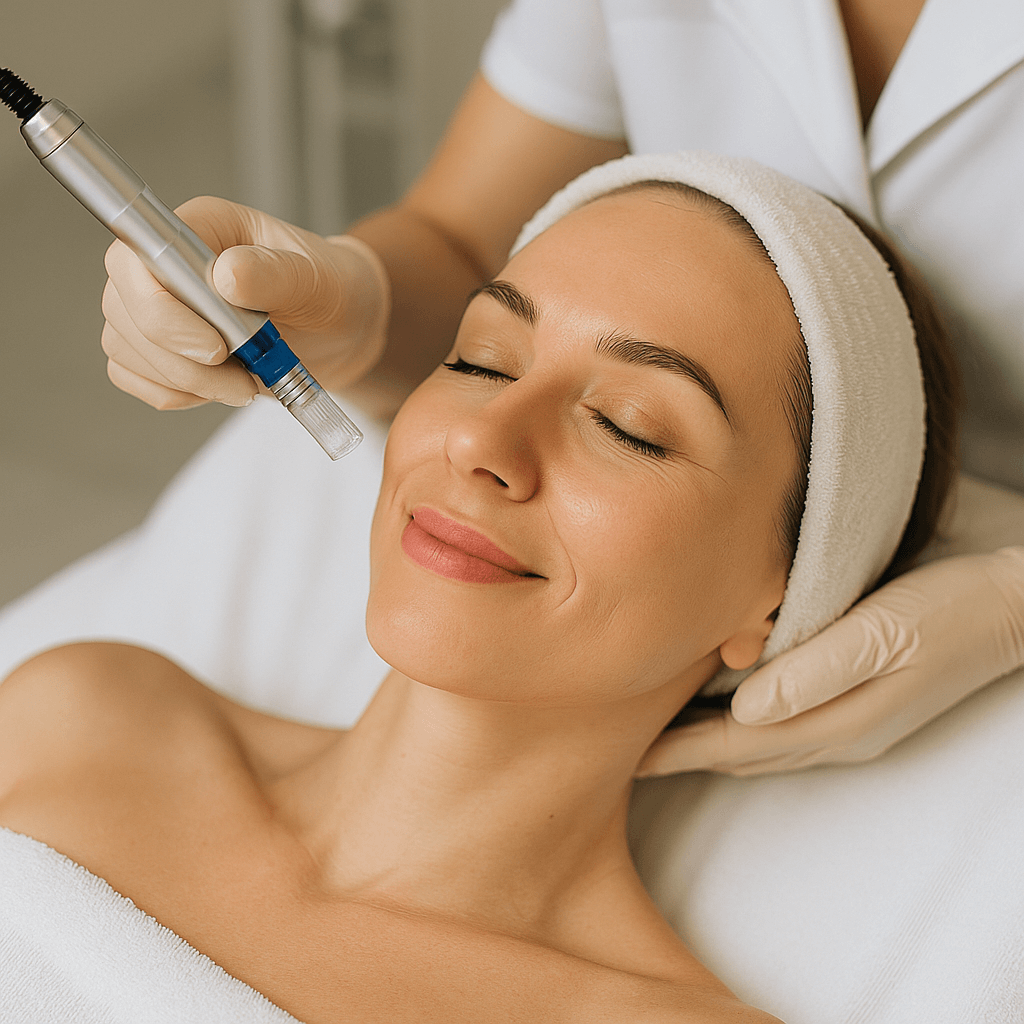
Yes. Many clients pair Dysport with dermal fillers to address both dynamic lines and volume loss in the same visit, since the two treatments work on different underlying causes of facial aging. Others combine it with skin care treatments like microneedling with PRP for a more comprehensive approach to overall skin quality.
Crow's feet and smile lines are not a sign that you have done anything wrong. They are simply a natural result of movement, sun exposure, and skin structure that happens to show up sooner in some people than others. The team at Louisville Aesthetics offers Dysport Louisville clients trust for soft, natural looking results that let your expressions stay yours. Browse the full list of services or reach out through the contact page to schedule your consultation.
At what age should someone start considering Dysport? There is no universal age. Some people start in their late twenties as a preventive measure, while others wait until their thirties or forties when lines become more noticeable at rest. It depends on your skin, your goals, and how your lines are progressing.
Does Dysport feel different from Botox? Both work in a similar way by relaxing targeted muscles, though Dysport tends to have a slightly faster onset and a broader spread, which some injectors use to their advantage in larger treatment areas like the forehead.
Will Dysport make my face look frozen or unable to express emotion? When dosed appropriately by an experienced injector, Dysport softens muscle movement without eliminating natural expression. The goal is a relaxed, natural look rather than a completely immobile one.
How soon will I see results after treatment? Most people begin noticing changes within two to five days, with full results visible around the one week mark.
Is Dysport Louisville treatment safe for first time patients? Dysport has a long safety record and is generally well tolerated by first time patients when administered by a trained, experienced provider following a proper consultation.
This guide was updated in August 2026 to reflect current neuromodulator treatment options and guidance for Louisville, Kentucky residents.












.png)
.png)














.png)













.jpg)


