


If you have ever dealt with small, tender bumps after shaving, or noticed dark, irritated spots that seem to show up in the same places over and over, you already know how frustrating ingrown hairs can be. It is not just a cosmetic annoyance either. For a lot of people, this becomes a recurring cycle of shaving, irritation, and waiting for skin to calm down before doing it all again. Understanding why this keeps happening is the first step toward actually breaking that cycle.
At Louisville Aesthetics, clients often come in describing this exact pattern, sometimes for years, before learning there is a more permanent way to address it. This guide covers what causes ingrown hairs and unwanted hair growth in the first place, when it is worth seeing a professional, and how laser hair removal Louisville residents rely on can help put an end to the shave, irritate, repeat cycle for good.
An ingrown hair occurs when a hair curls back or grows sideways into the skin instead of rising straight up and out of the follicle. The body treats this trapped hair as a foreign object, triggering inflammation that shows up as a red, sometimes raised bump, often with a visible dark hair trapped just beneath the surface. In more irritated cases, these bumps can become filled with pus or develop into a condition called folliculitis, where the follicle itself becomes infected.
A combination of hair type, skin type, and hair removal method typically drives this issue.
Curly or coarse hair. Naturally curly hair is far more likely to curl back into the follicle after being cut, which is why ingrown hairs are especially common for people with coarser or curlier hair textures.
Shaving technique. Shaving against the grain, using a dull blade, or shaving too closely can cut hair at an angle that encourages it to grow back into the skin rather than out of it.
Waxing and plucking. These methods can sometimes cause the hair to break off beneath the skin's surface or distort the follicle opening, both of which raise the risk of ingrown hairs.
Dead skin buildup. When dead skin cells accumulate over a follicle opening, they can physically block a hair from growing outward normally, forcing it to curl back into the skin instead.
Tight clothing and friction. Areas that experience regular friction from clothing, such as the bikini line or underarms, tend to be more prone to ingrown hairs due to added irritation on already sensitive follicles.
Hormonal factors. Conditions like polycystic ovary syndrome, along with certain hormonal shifts, can increase hair thickness and density in areas prone to ingrown hairs, compounding the problem.
In most cases, unwanted hair growth is simply a matter of genetics and normal variation. However, a sudden increase in hair growth, particularly in a pattern more typical of male hair distribution such as the chin, upper lip, or chest, can sometimes be linked to hormonal conditions like polycystic ovary syndrome or other endocrine imbalances. This is worth mentioning to a healthcare provider if it happens rapidly or is accompanied by other symptoms like irregular cycles or acne, since addressing the underlying cause is important alongside any cosmetic hair removal approach.
Shaving cuts hair at a blunt angle right at the skin's surface, which for many hair types makes it easier for the regrowing hair to pierce back into the follicle wall as it grows out. Frequent shaving also causes ongoing micro irritation to the skin, which can thicken the outer skin layer over time and make it even easier for hairs to become trapped underneath. This is part of why so many people find that razor bumps and ingrown hairs become a more persistent issue the longer they rely on shaving as their primary method of hair removal.
If ingrown hairs are a frequent occurrence, leave behind dark marks or scarring, or seem to be getting worse despite changing your shaving routine, it is worth exploring options beyond at home hair removal. Chronic ingrown hairs can lead to hyperpigmentation and, in some cases, scarring, especially in areas that experience repeated irritation. A professional consultation can help determine whether laser hair removal or another approach makes sense for your skin and hair type.
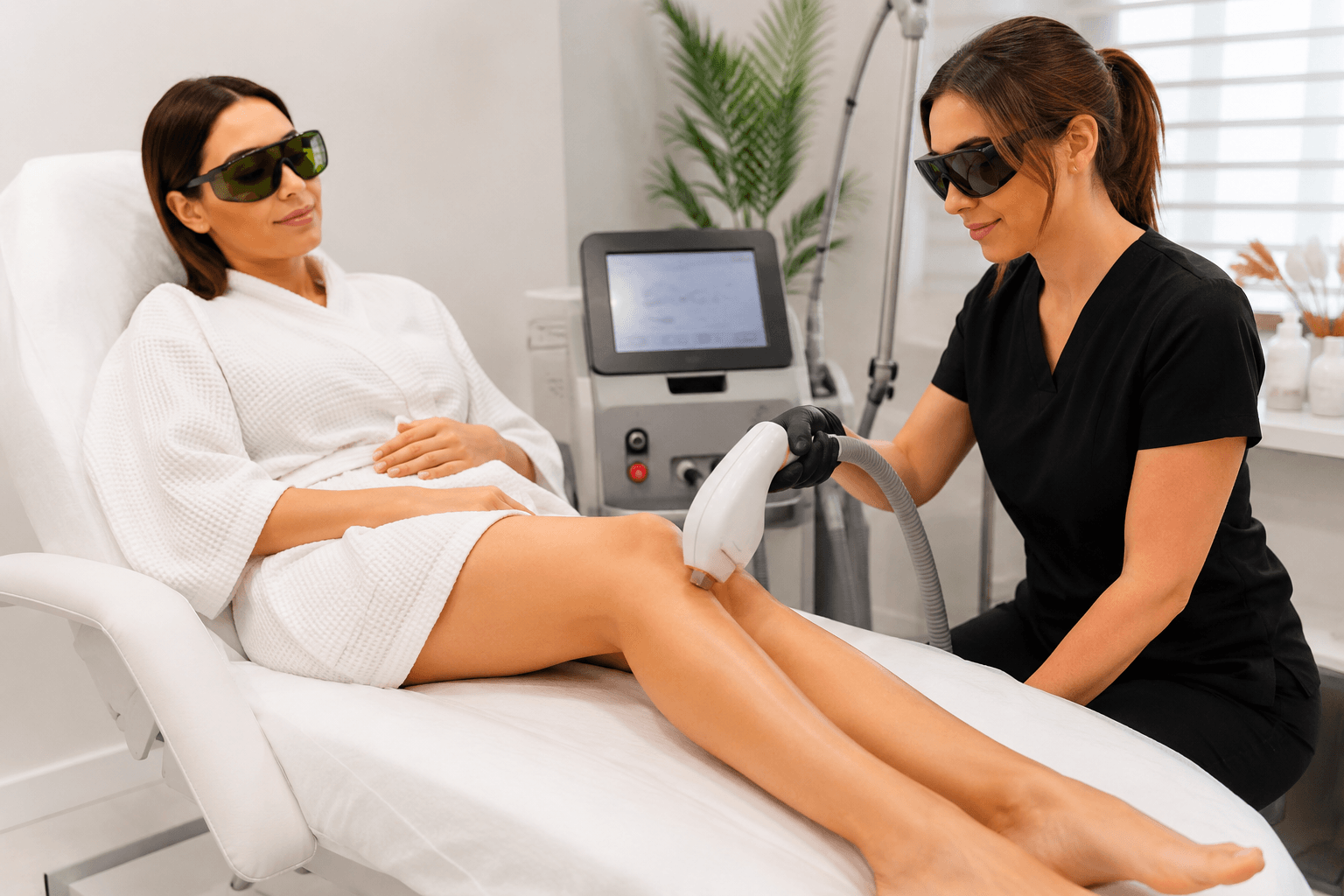
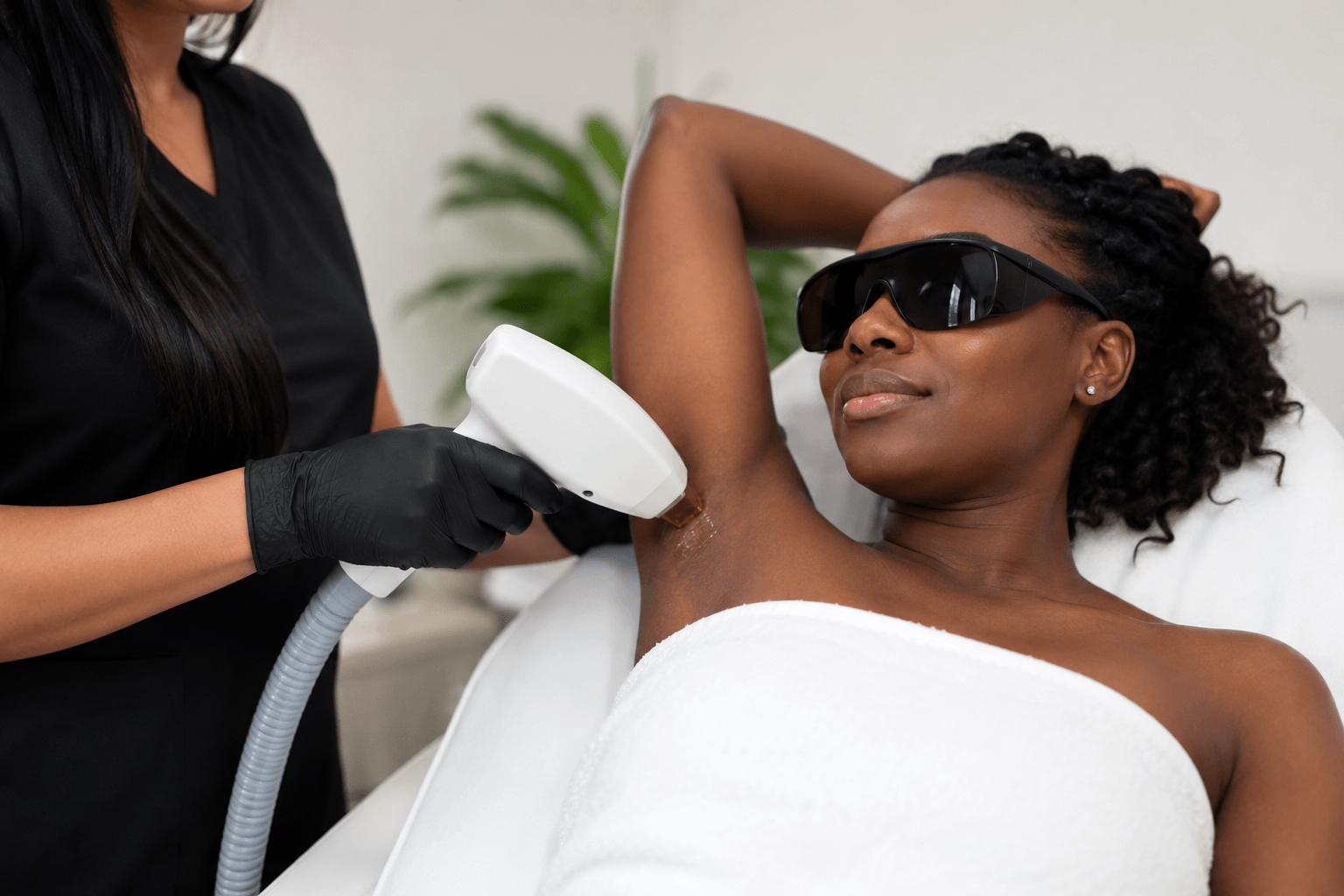
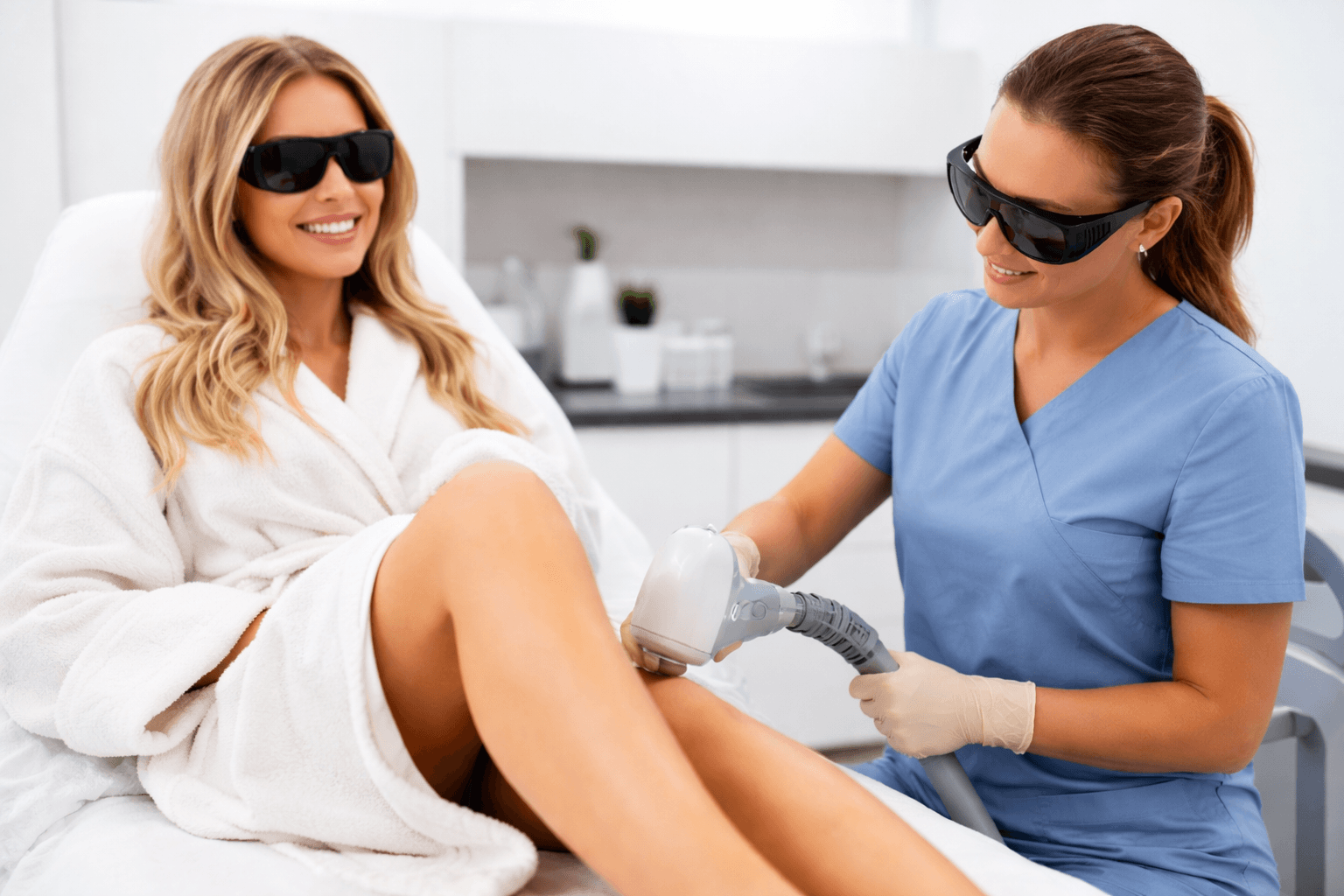
Laser hair removal works by targeting the pigment in the hair follicle with concentrated light energy, which damages the follicle's ability to produce new hair over a series of treatments. Because the goal is to reduce hair growth at the follicle level rather than simply cutting or pulling hair, there is no blunt cut edge left behind to curl back into the skin, which is why many clients who struggle with chronic ingrown hairs see significant improvement once they switch to laser treatments.
At Louisville Aesthetics, laser hair removal is available for a wide range of treatment areas and skin types, using advanced technology designed to work safely and effectively across different hair textures and skin tones. For clients looking for ongoing value, the practice also offers laser hair removal memberships to make regular treatment more convenient and affordable over time.
Laser hair removal sessions vary in length depending on the treatment area, ranging from a few minutes for smaller areas to around an hour for larger areas like the legs or back. Most people describe the sensation as a quick snapping feeling, generally well tolerated without the need for numbing in most cases. Because hair grows in cycles and the laser is most effective on hair that is actively growing, a series of sessions spaced several weeks apart is needed to catch hair across all of its growth phases.
Most clients need somewhere between six and eight sessions for significant, lasting reduction, though this varies based on hair color, thickness, and the treatment area. Darker, coarser hair typically responds faster than fine or light colored hair, since the laser targets pigment in the follicle. After the initial series, occasional maintenance sessions can help address any hair that returns over time, particularly in areas affected by hormonal changes.
Modern laser technology has expanded significantly to safely treat a wider range of skin tones than older devices allowed. During a consultation, your provider will assess your specific skin type and hair characteristics to determine the most appropriate laser settings for safe, effective treatment.
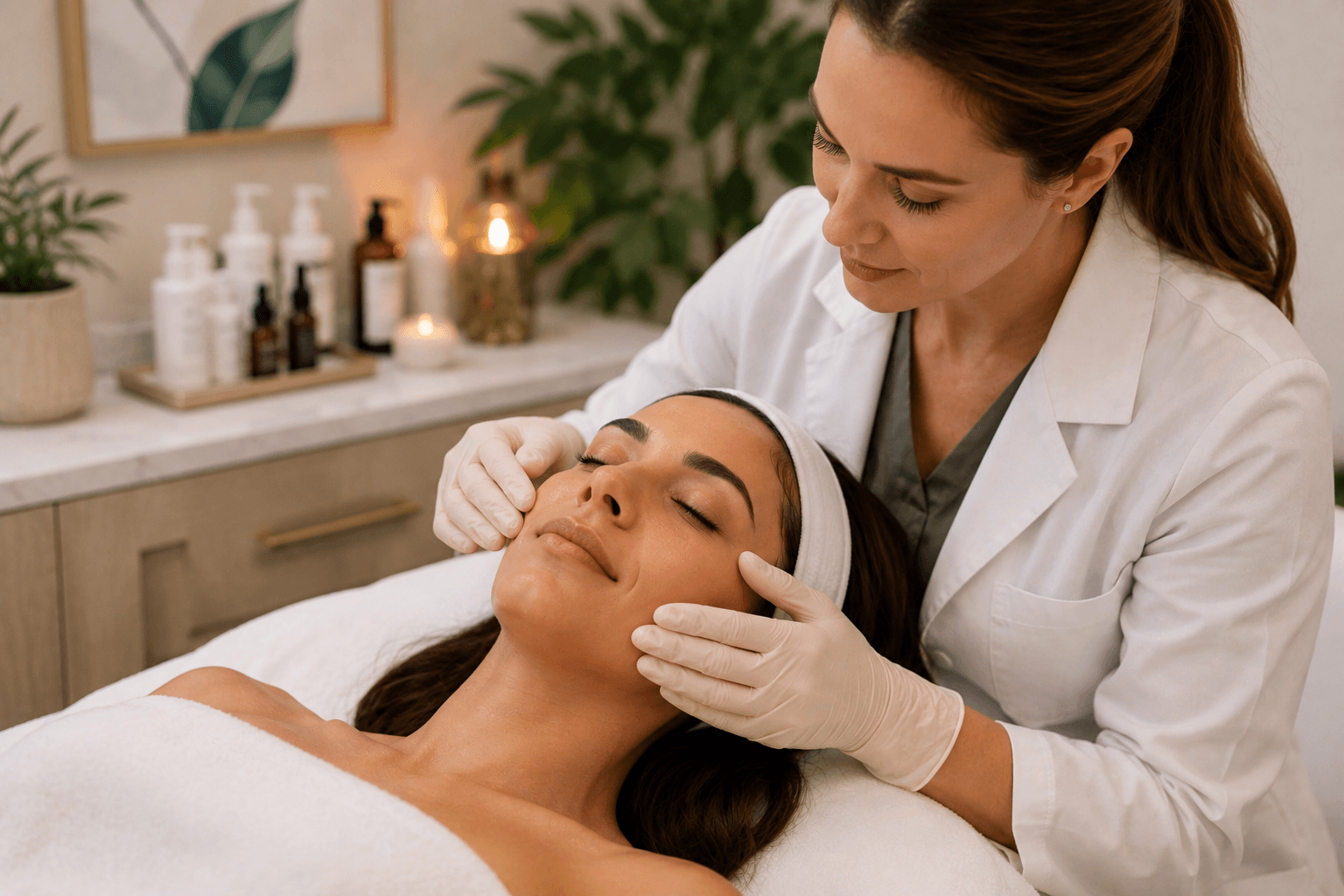
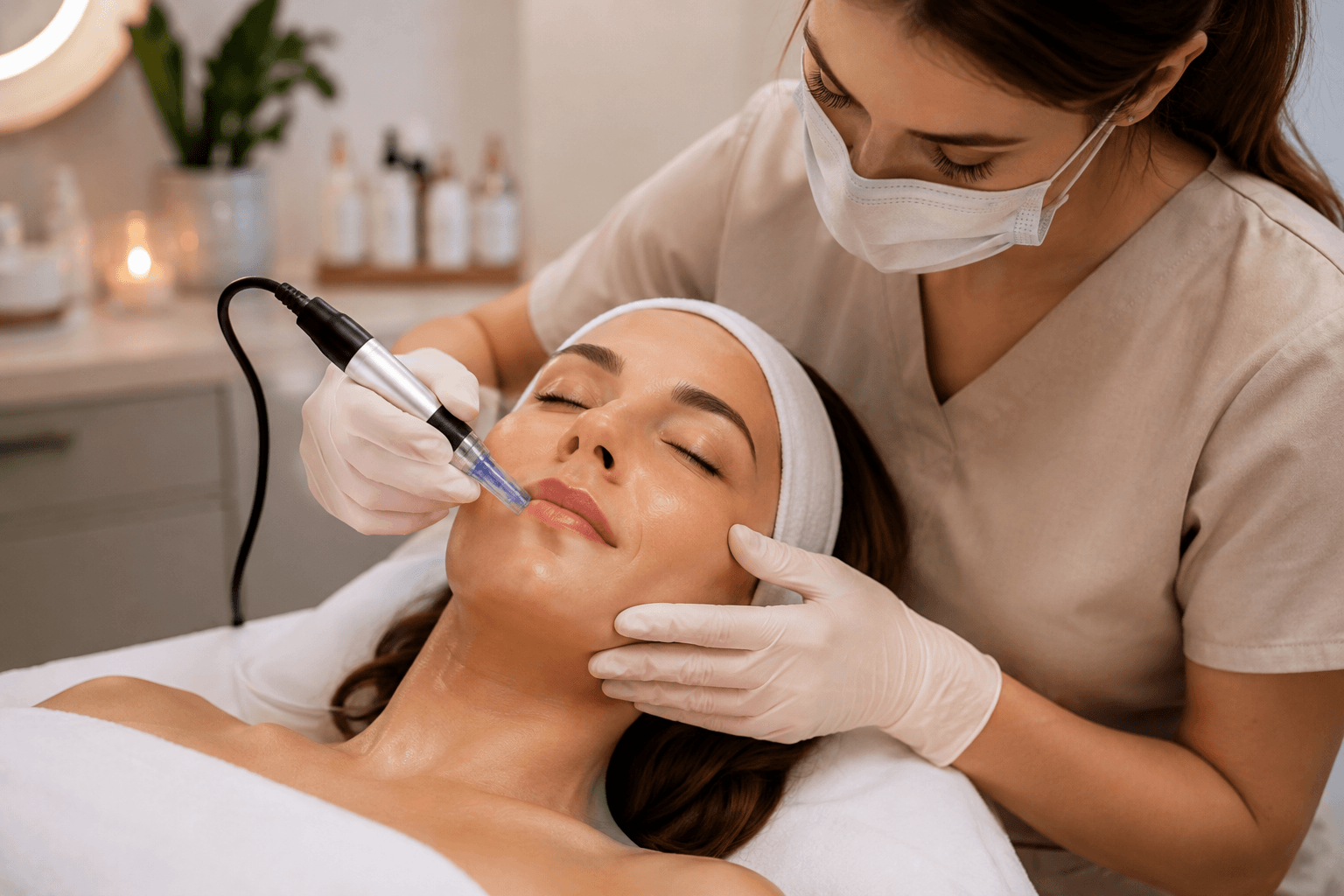
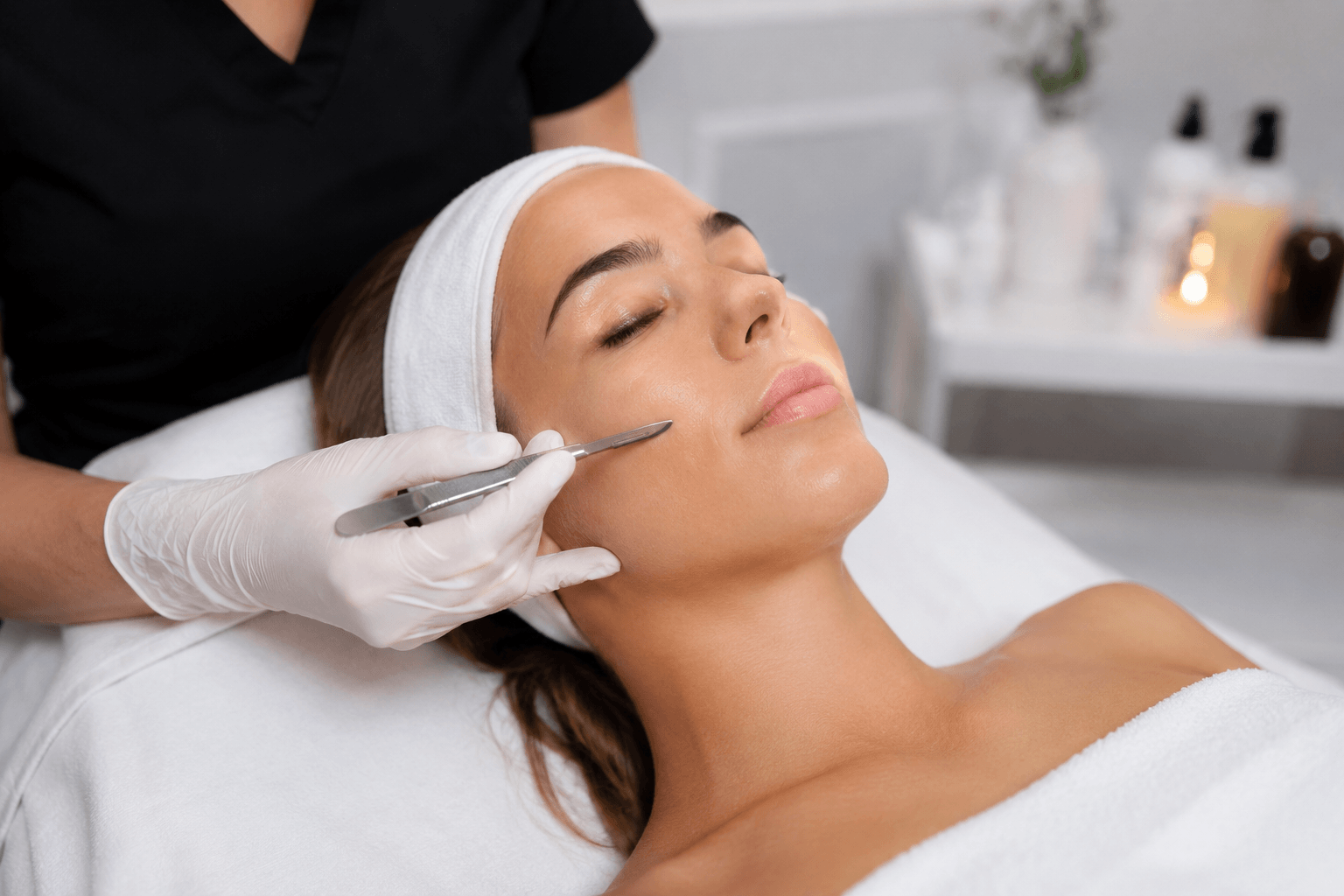
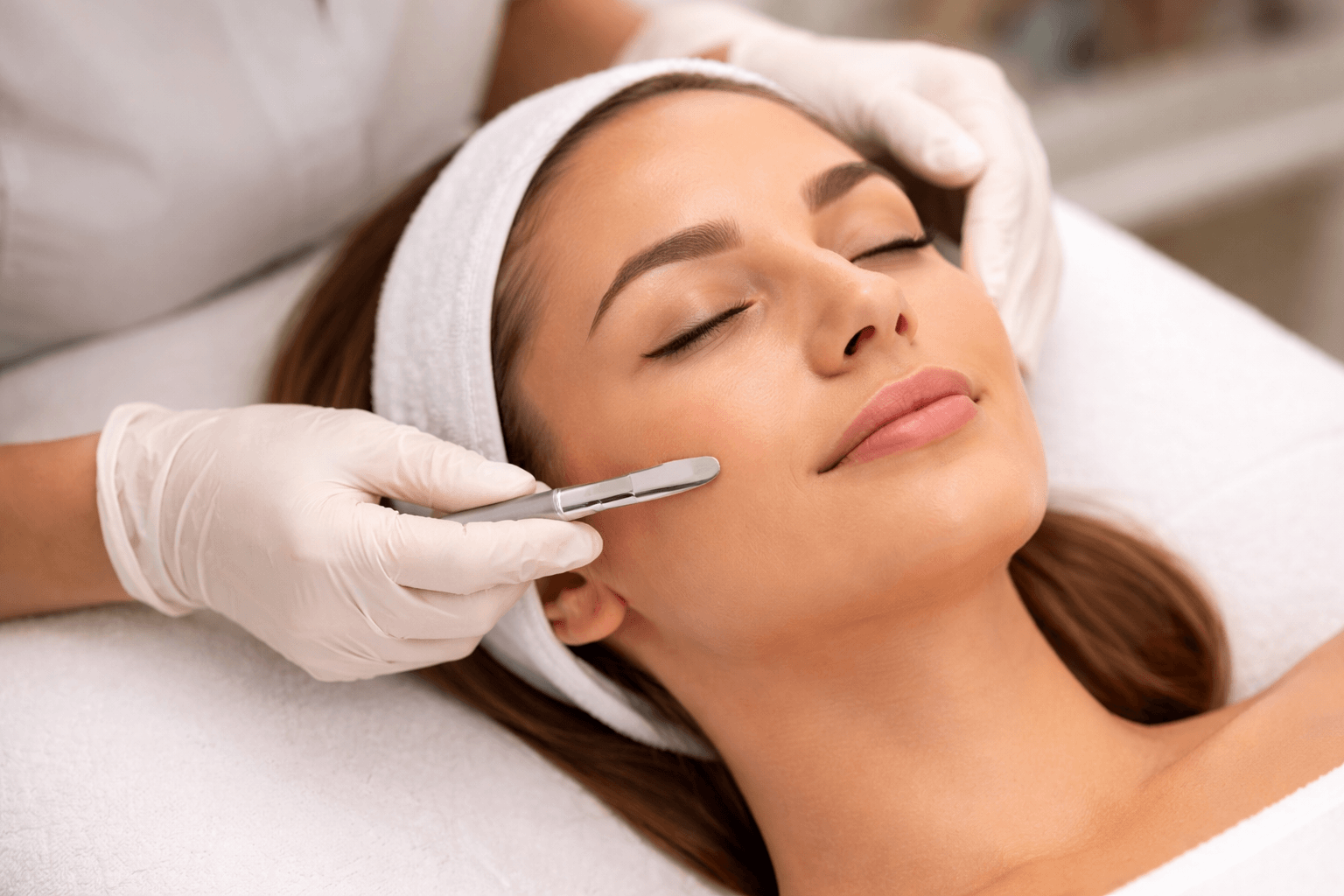
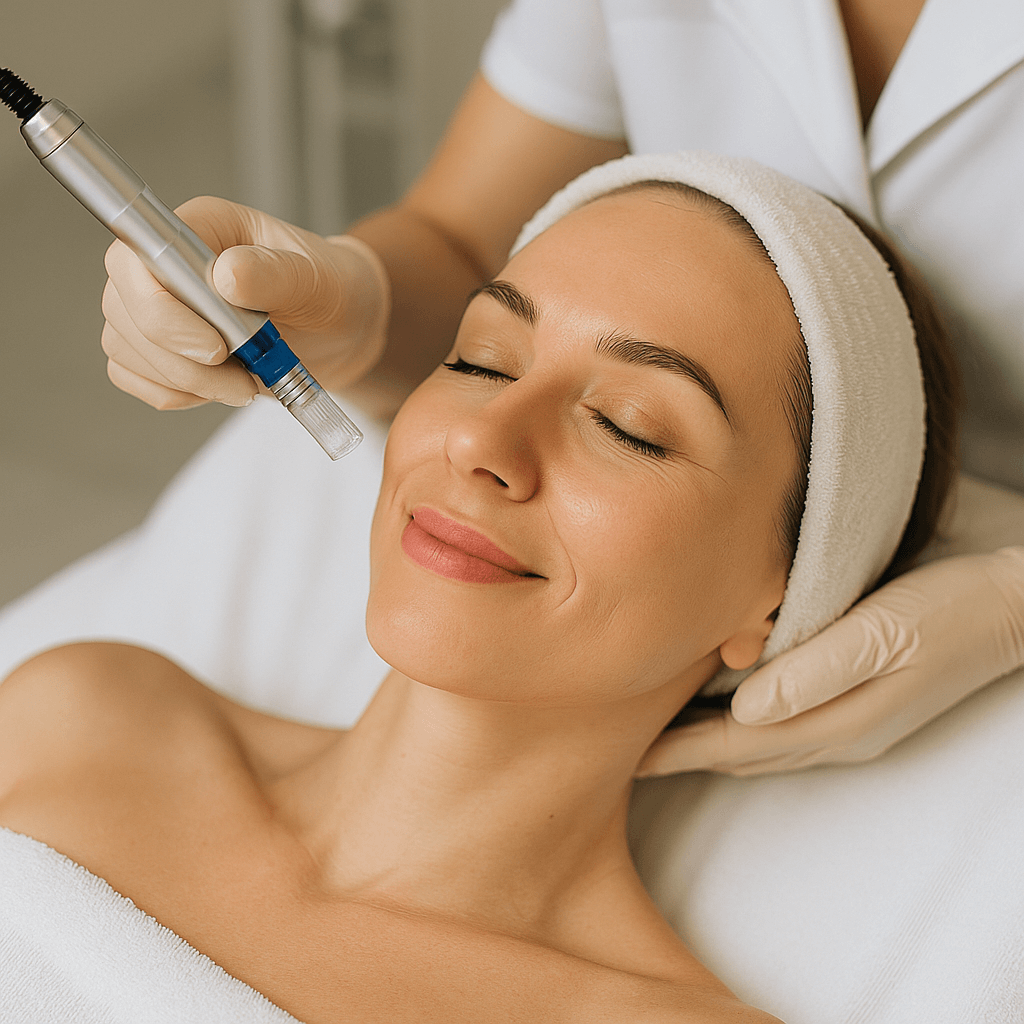
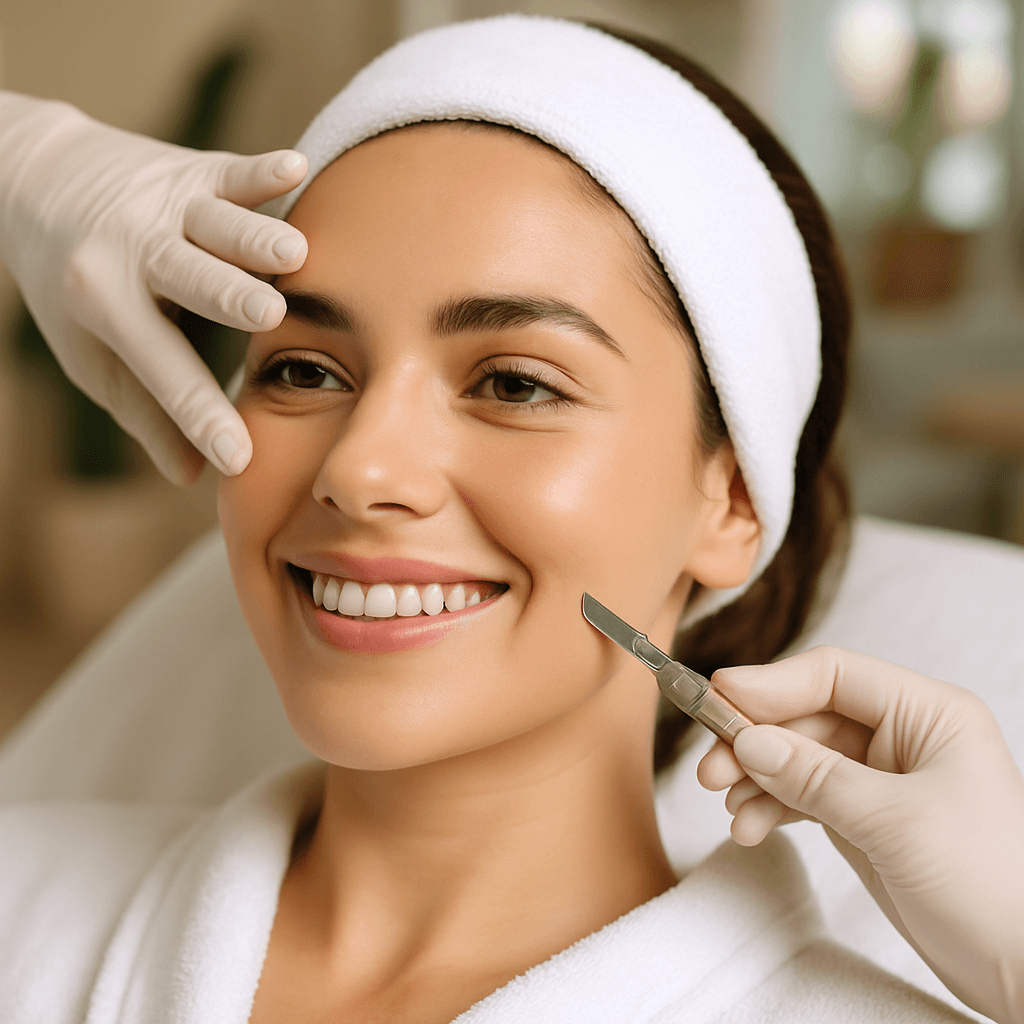
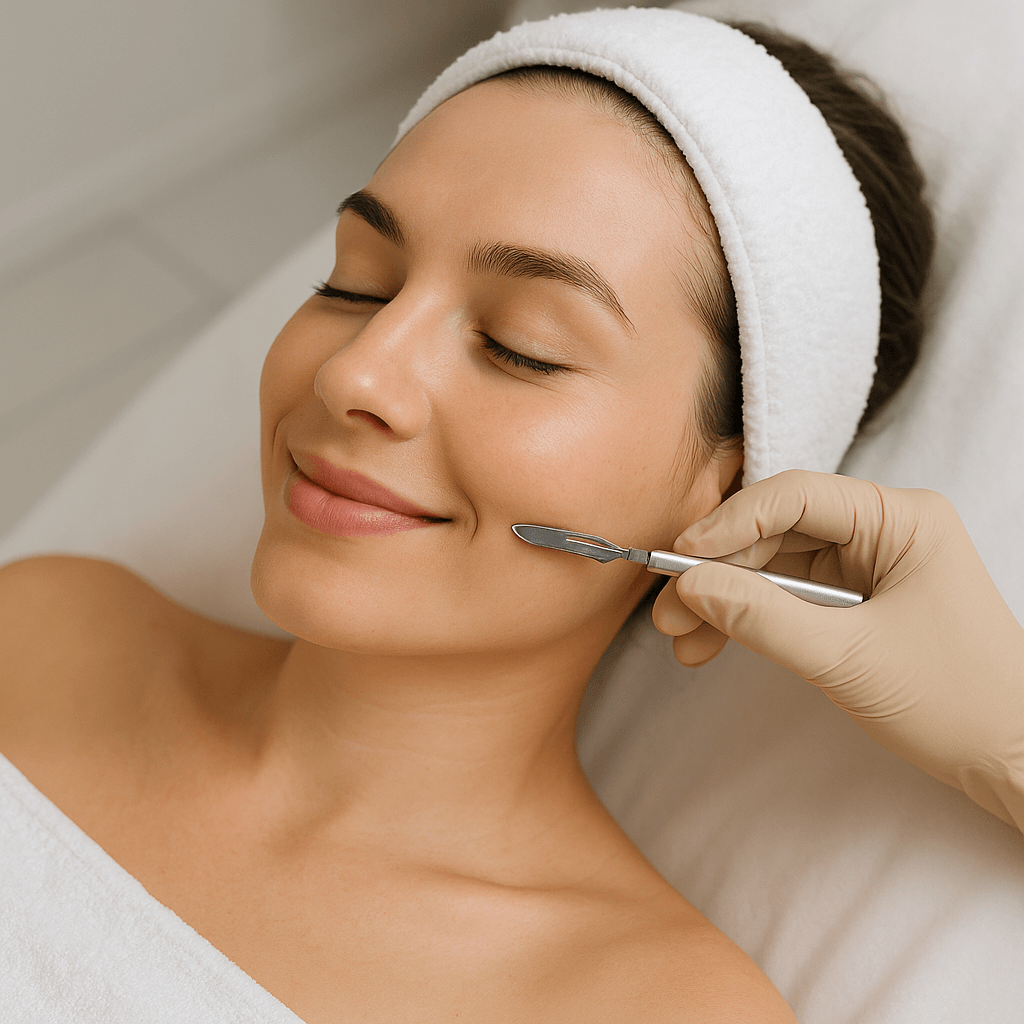
Many clients dealing with ingrown hairs and irritation also benefit from treatments that support smoother, healthier skin between laser sessions. A salt facial or dermaplane treatment can help manage dead skin buildup that contributes to ingrown hairs on facial areas, while regular body waxing may be used as a complementary option for areas between laser sessions.
Dealing with ingrown hairs and razor bumps on repeat is exhausting, and it does not have to be your normal. Once you understand what is actually driving the problem, from hair type to shaving habits to hormonal factors, it becomes much easier to choose a solution that actually works long term. The team at Louisville Aesthetics offers laser hair removal louisville clients depend on to finally step off the shave and repeat cycle. Explore the full menu of services or reach out through the contact page to schedule your consultation.
Can laser hair removal completely get rid of ingrown hairs? Laser hair removal significantly reduces the amount of hair regrowth over time, which in turn greatly reduces the chances of new ingrown hairs forming, though results depend on your hair type and consistency with the treatment series.
Is laser hair removal Louisville treatment painful? Most clients describe a quick, snapping sensation rather than significant pain, and many providers use cooling technology to improve comfort during treatment.
How long before I see results? Because hair grows in different cycles, most people notice a visible reduction after a few sessions, with more significant results appearing after completing the full recommended series.
Why do I still have some hair growth after finishing my sessions? A small percentage of hair follicles can remain dormant during treatment and become active later, which is why occasional touch up sessions are common even after completing an initial series.
Is laser hair removal safe for sensitive areas prone to ingrown hairs, like the bikini line? Yes, laser hair removal is commonly and safely used on sensitive areas, and many clients specifically choose it because those areas tend to be the most prone to chronic ingrown hairs.
This guide was updated in August 2026 to reflect current laser hair removal technology and guidance for Louisville, Kentucky residents.












.png)
.png)

















.png)

















.jpg)


