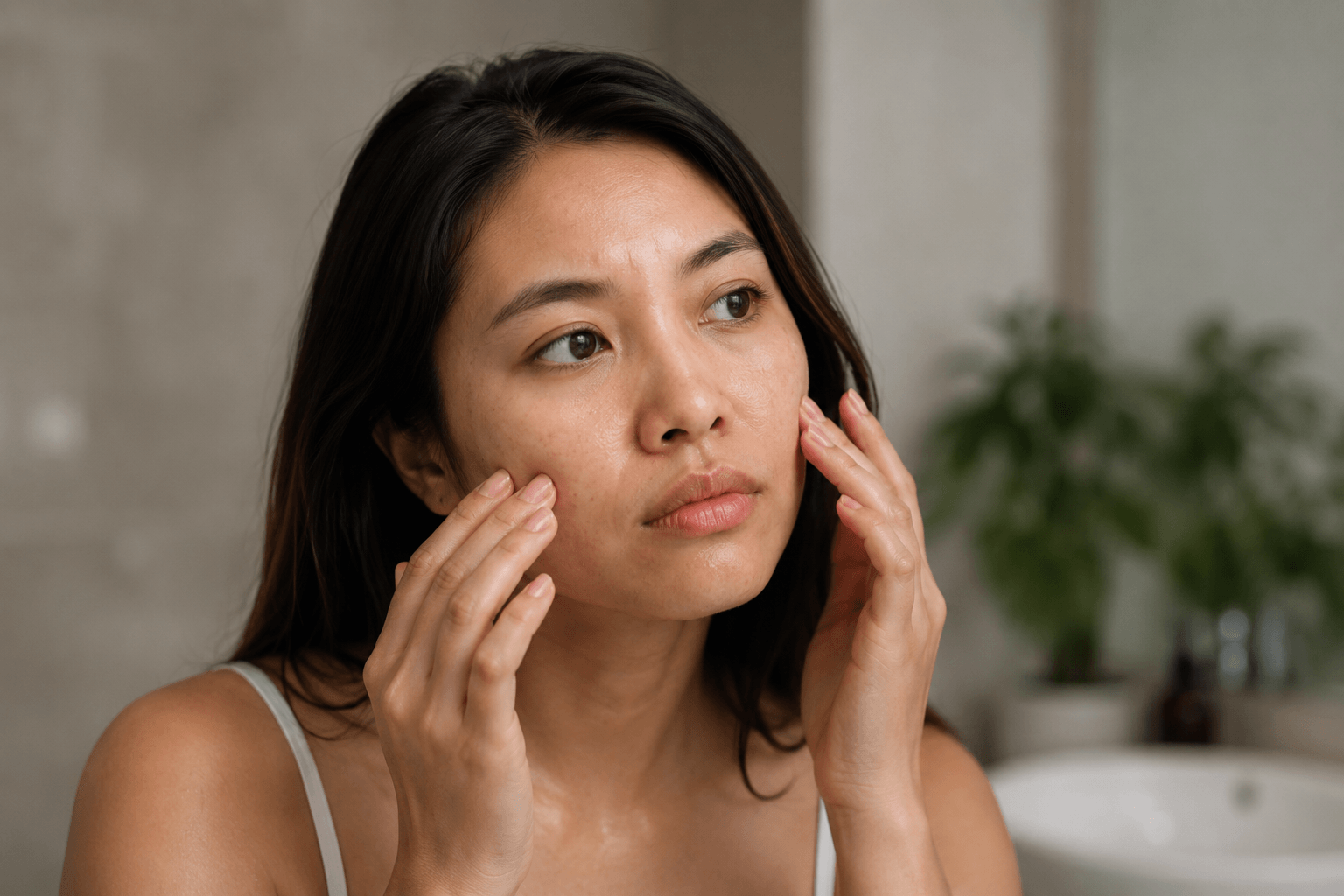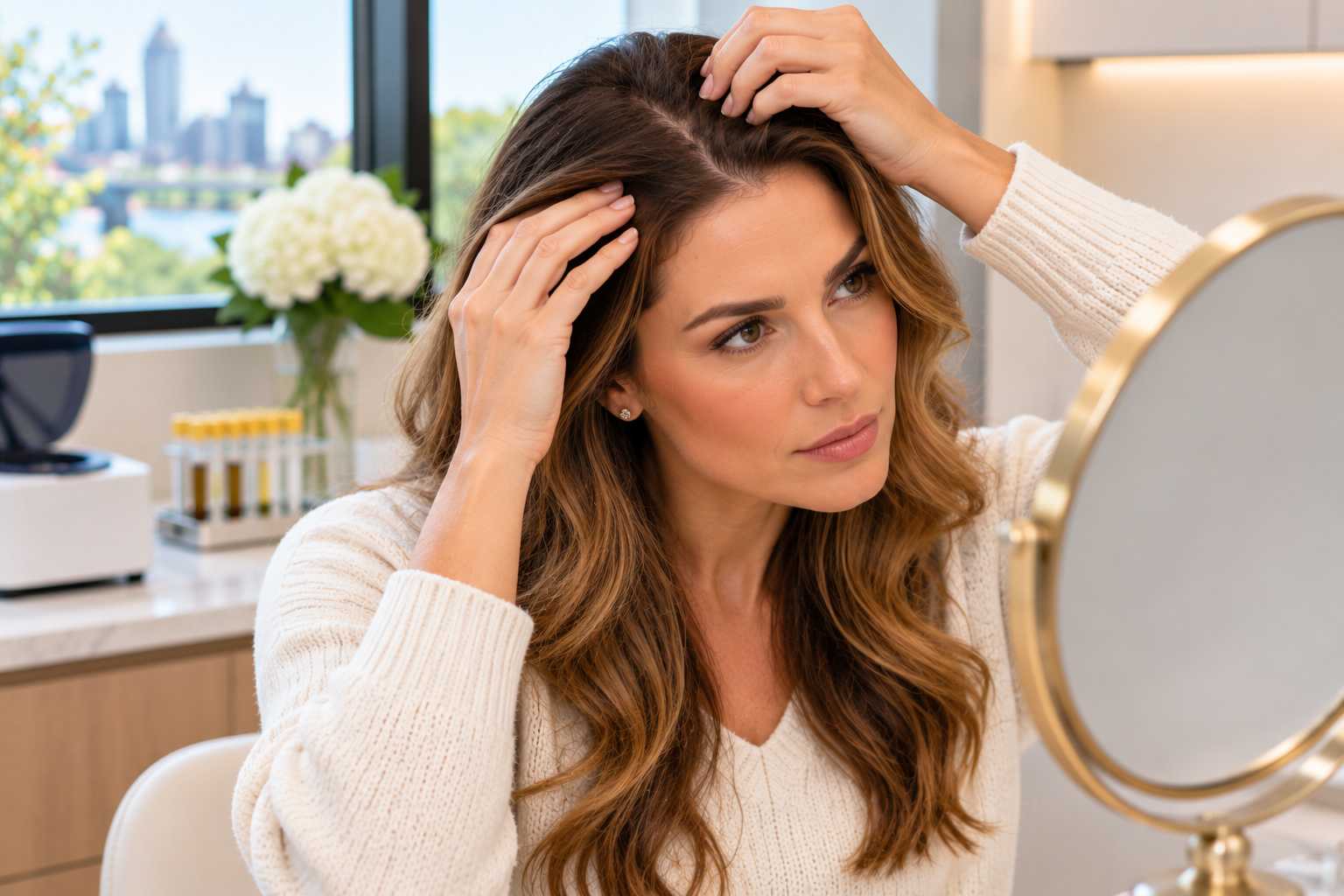
It often starts with something small. Your ponytail feels a little lighter. Your part looks wider under the bathroom lights. You notice more hair in the shower drain after a demanding month at work. For many women, hair thinning is not just a cosmetic worry. It can feel deeply personal, and it is easy to feel alone with it.
You are not. Hair thinning in women is common, and there are options worth exploring. This guide explains why women lose hair, how PRP hair restoration in Louisville works, who may be a good candidate, and why identifying the cause comes first.
Losing some hair every day is normal. According to MedlinePlus, from the U.S. National Library of Medicine, people can lose up to 100 hairs from the scalp each day, and most of those hairs grow back. Thinning becomes a concern when shedding increases or regrowth does not keep up.
MedlinePlus lists several possible causes of hair loss, including:
Hereditary hair loss, called androgenetic alopecia, affects an estimated 30 million women in the United States. MedlinePlus Genetics explains that in women, hair usually becomes thinner on the top of the head and the middle part widens, while the hairline typically does not recede. It is most likely after menopause, though it can begin earlier.
That pattern is why many women first notice thinning when they style their hair, not when they look at their hairline.
It can feel surprising, but it is not unheard of. MedlinePlus Genetics notes that hereditary hair loss can begin as early as the teenage years, with risk rising over time. For Gen Z and younger women, early thinning is often brushed off as a bad hair month or blamed on styling. If you notice a steady change in your part or volume, it is worth paying attention sooner rather than later, since treatments generally work best while follicles are still active.
Because hair changes slowly, it helps to keep simple records:
Bringing this information to a consultation helps your provider understand the timeline and pattern of your hair loss.
Yes, stress is listed as one of the potential causes of hair loss. For busy professionals and women balancing careers, caregiving, and everything else, this connection matters.
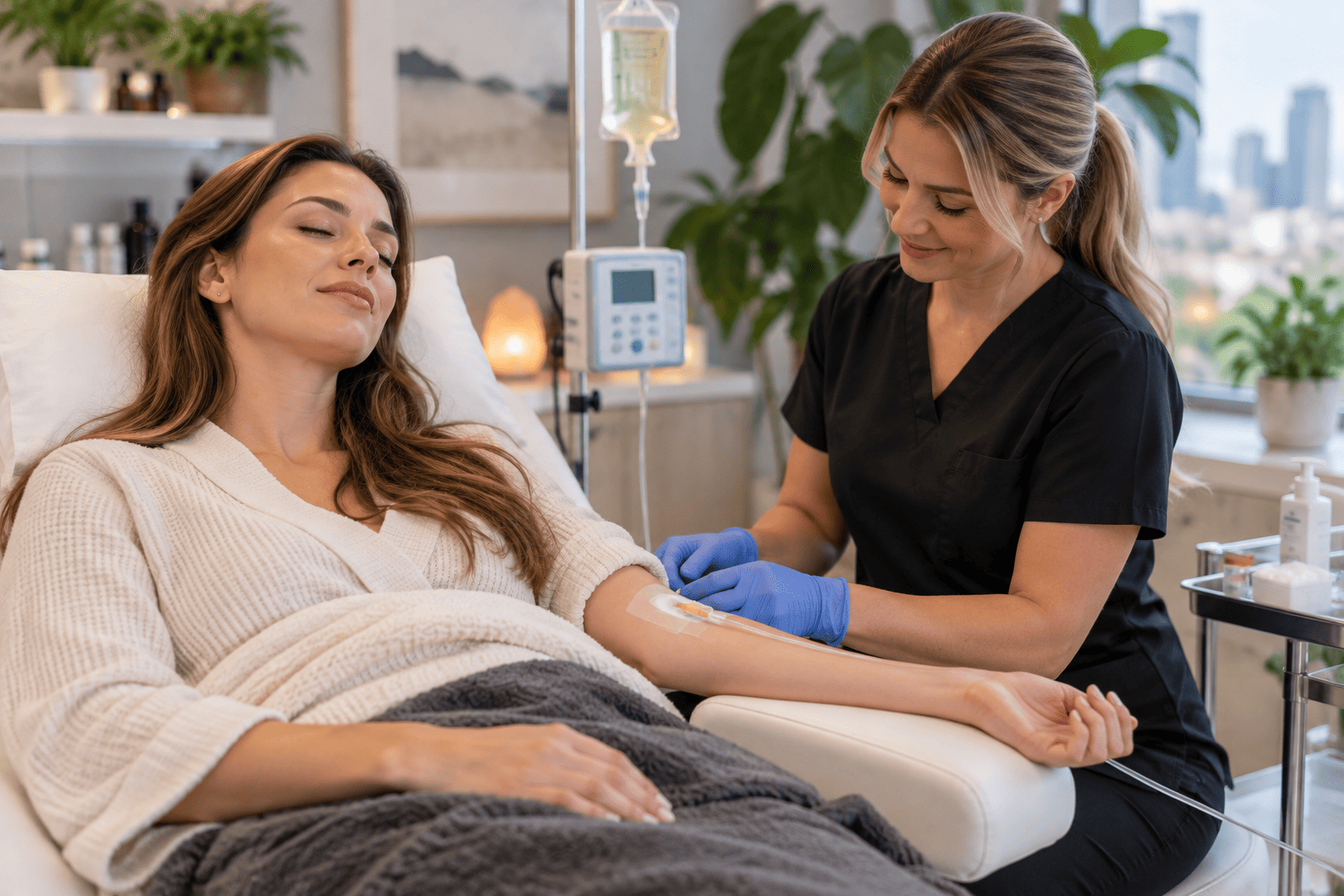
Here is the important part: if stress, illness, or nutrition is driving the shedding, the best first step is addressing that cause. Hair treatments work best when the underlying reason for thinning is understood. If you are also dealing with fatigue, poor sleep, brain fog, or weight changes, a broader look at your health may be worthwhile. Louisville Aesthetics offers an In-Depth Functional Health Evaluation that reviews biomarkers such as thyroid function, nutrient status, and hormones through testing and a provider-led consultation.
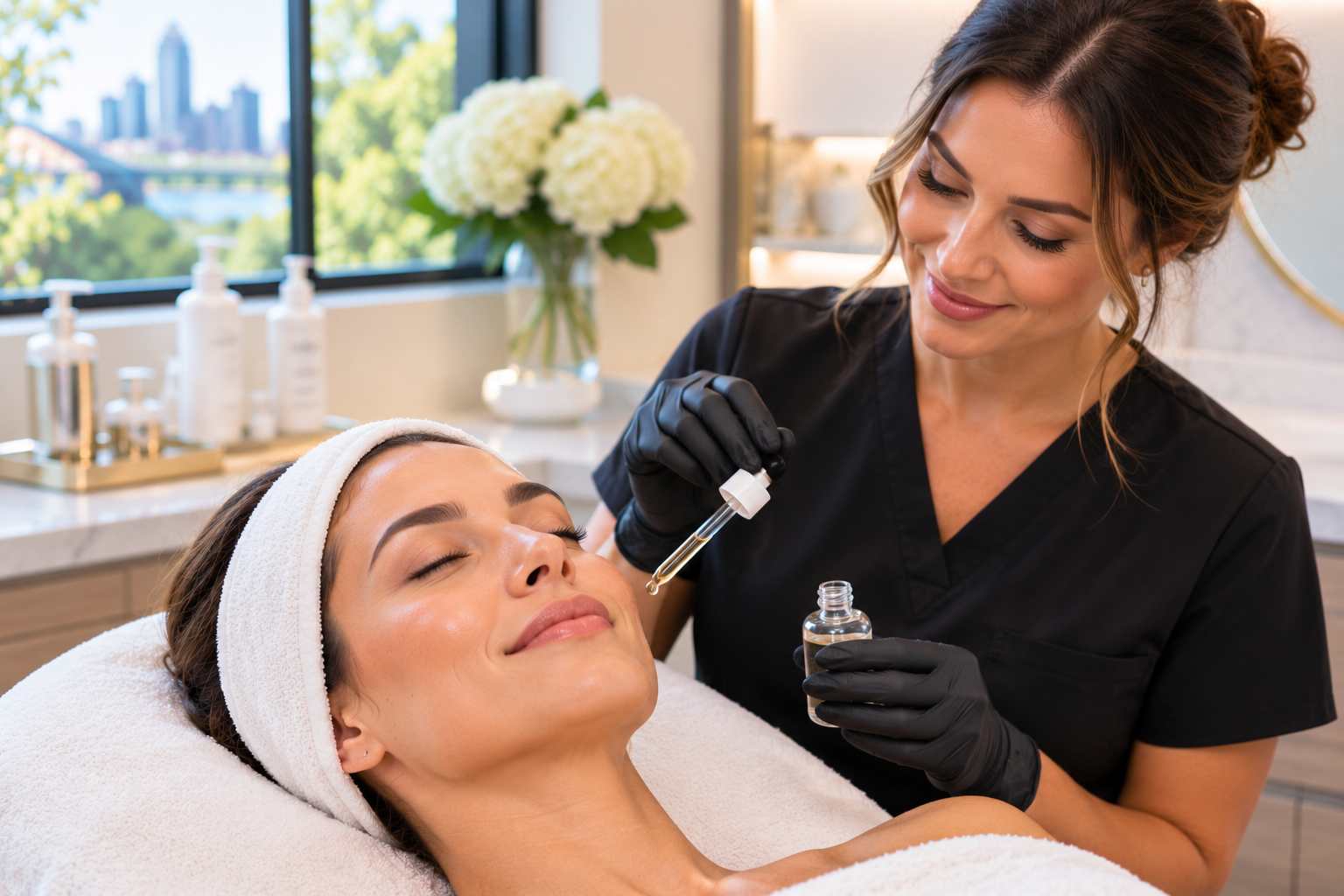
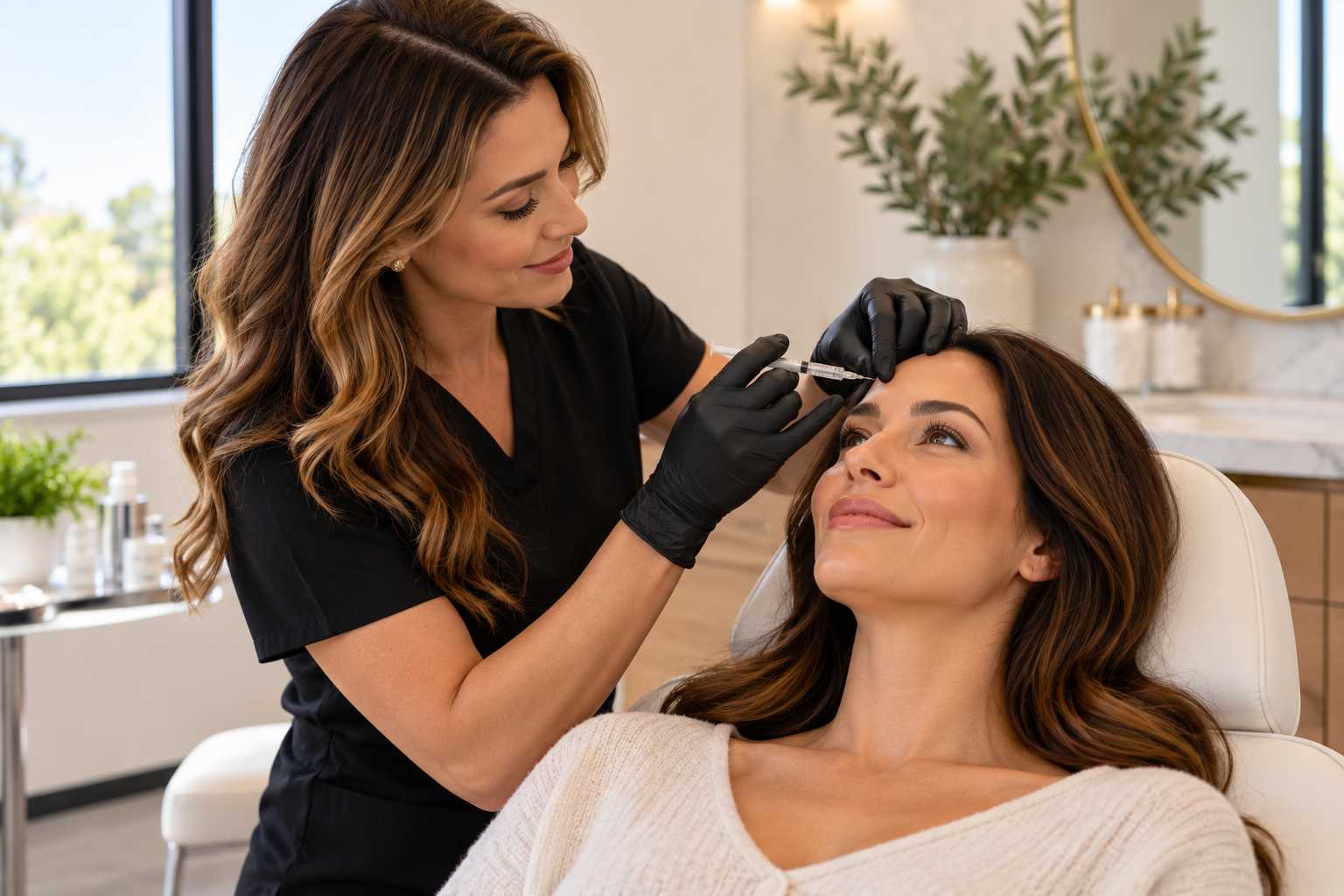
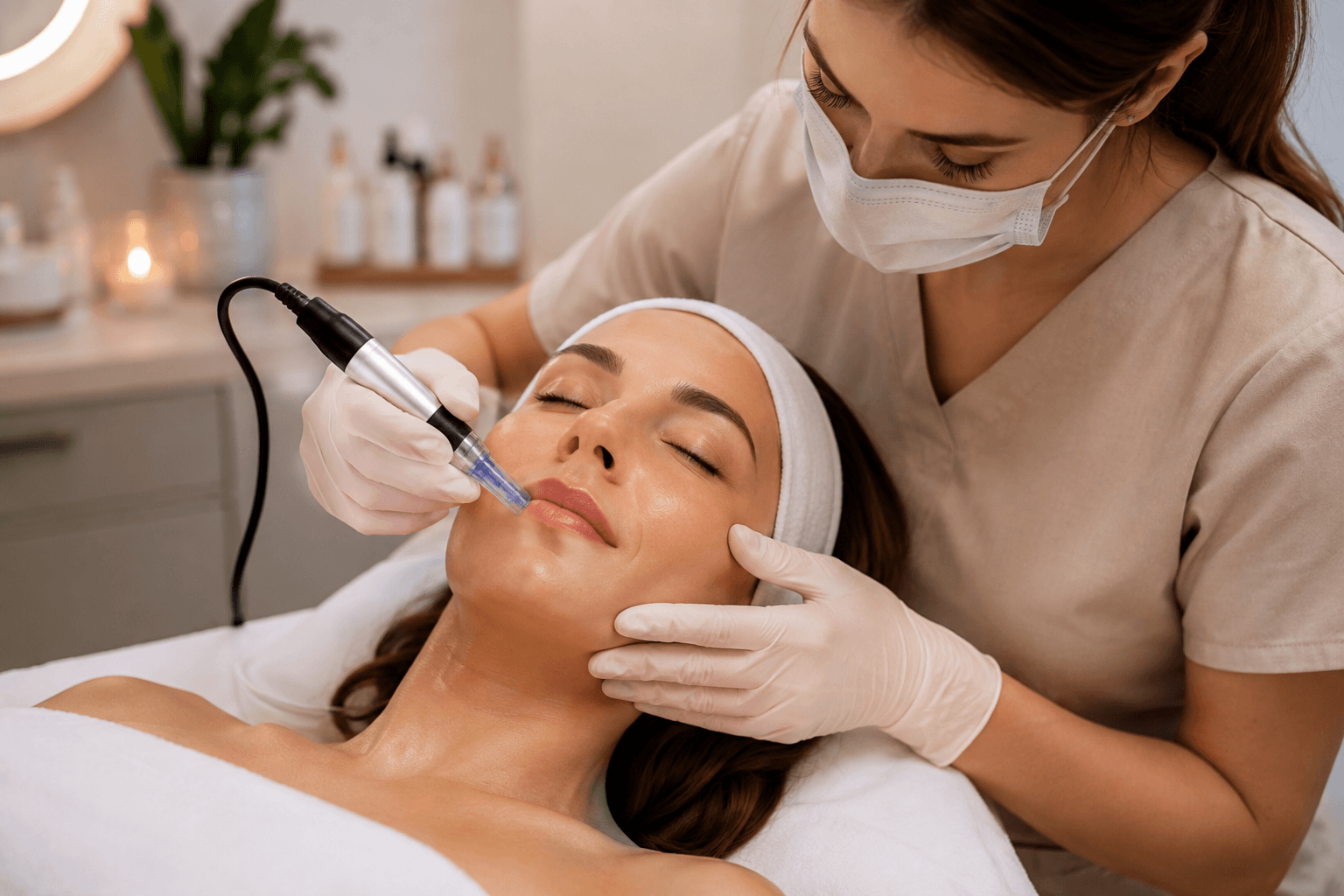
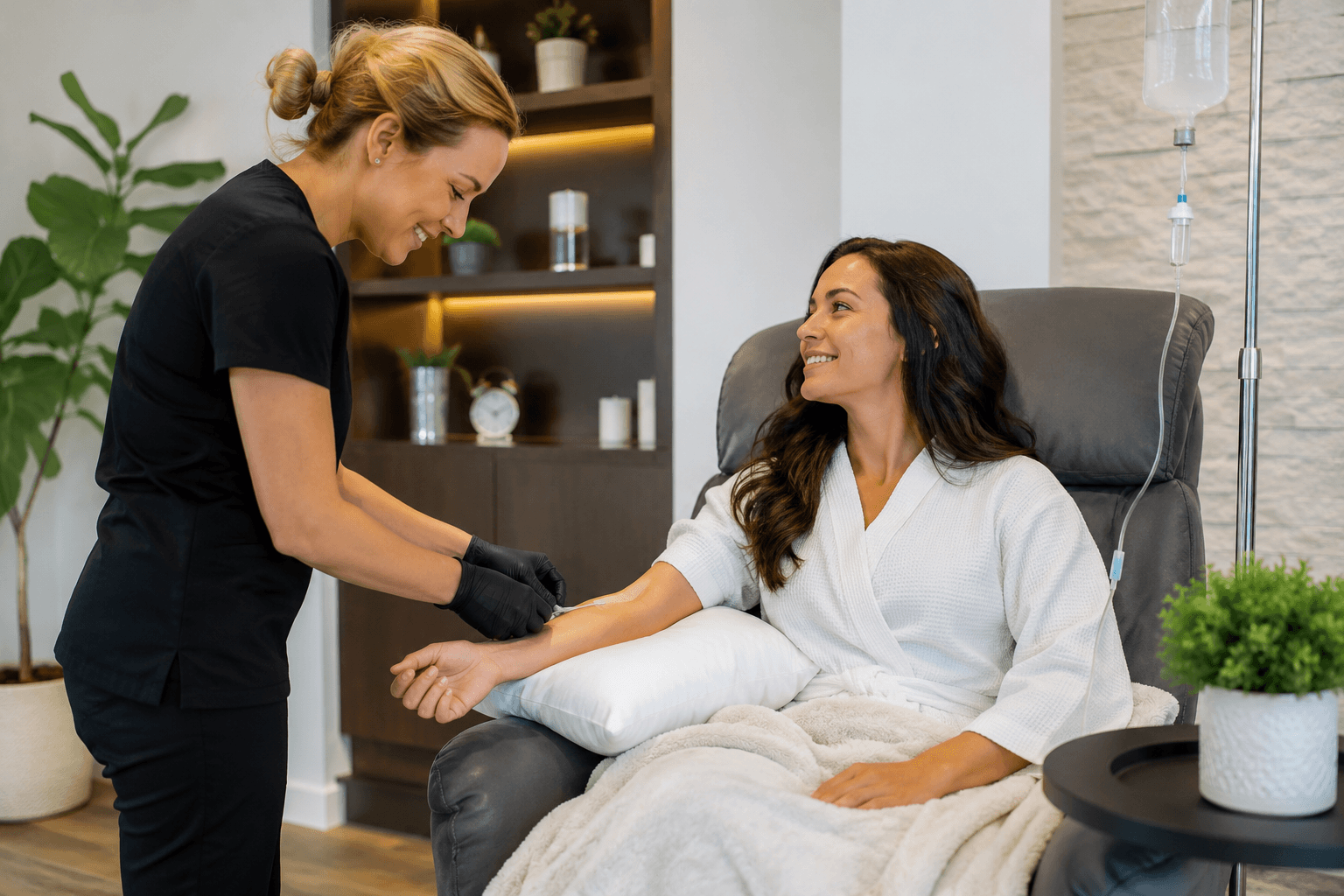
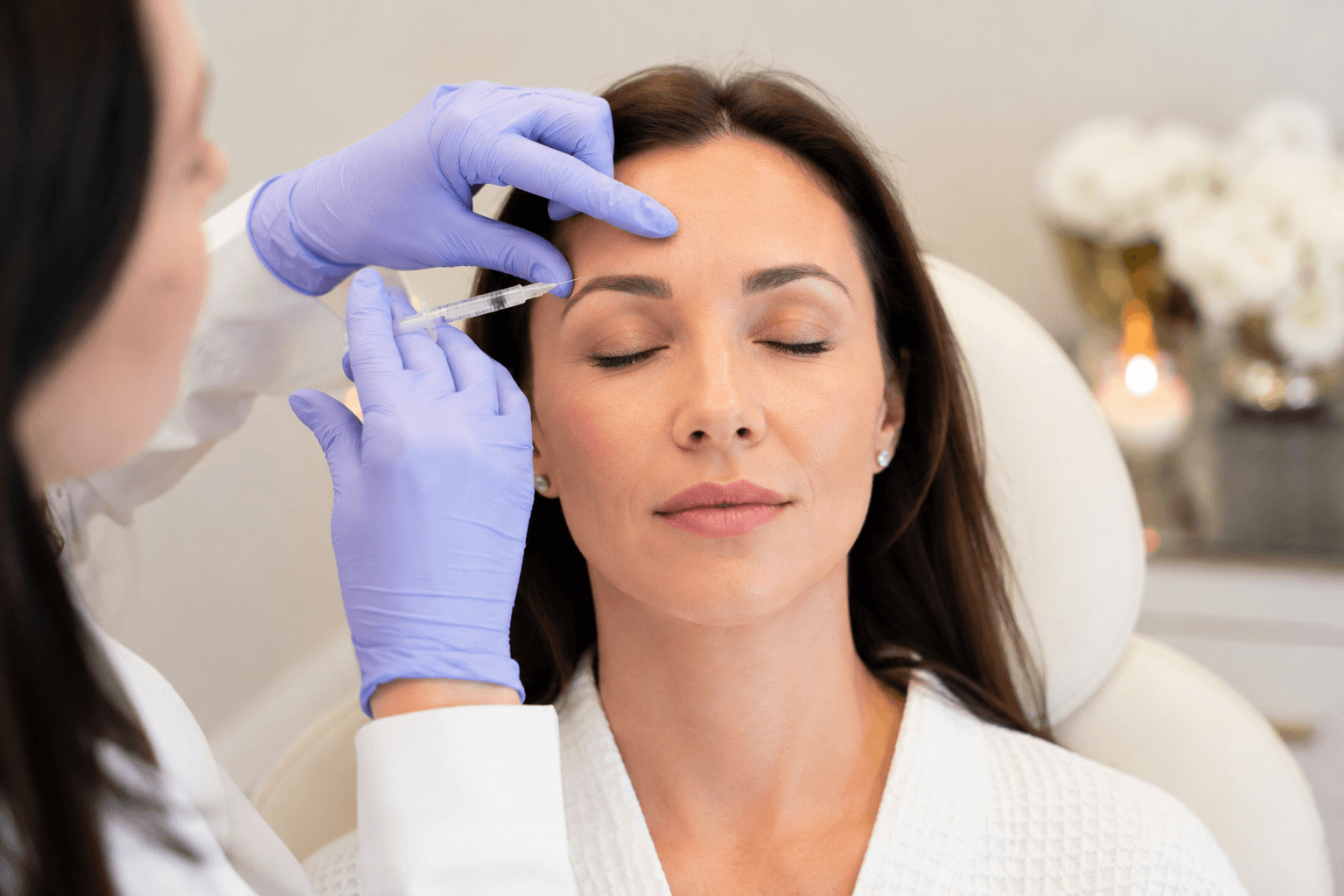
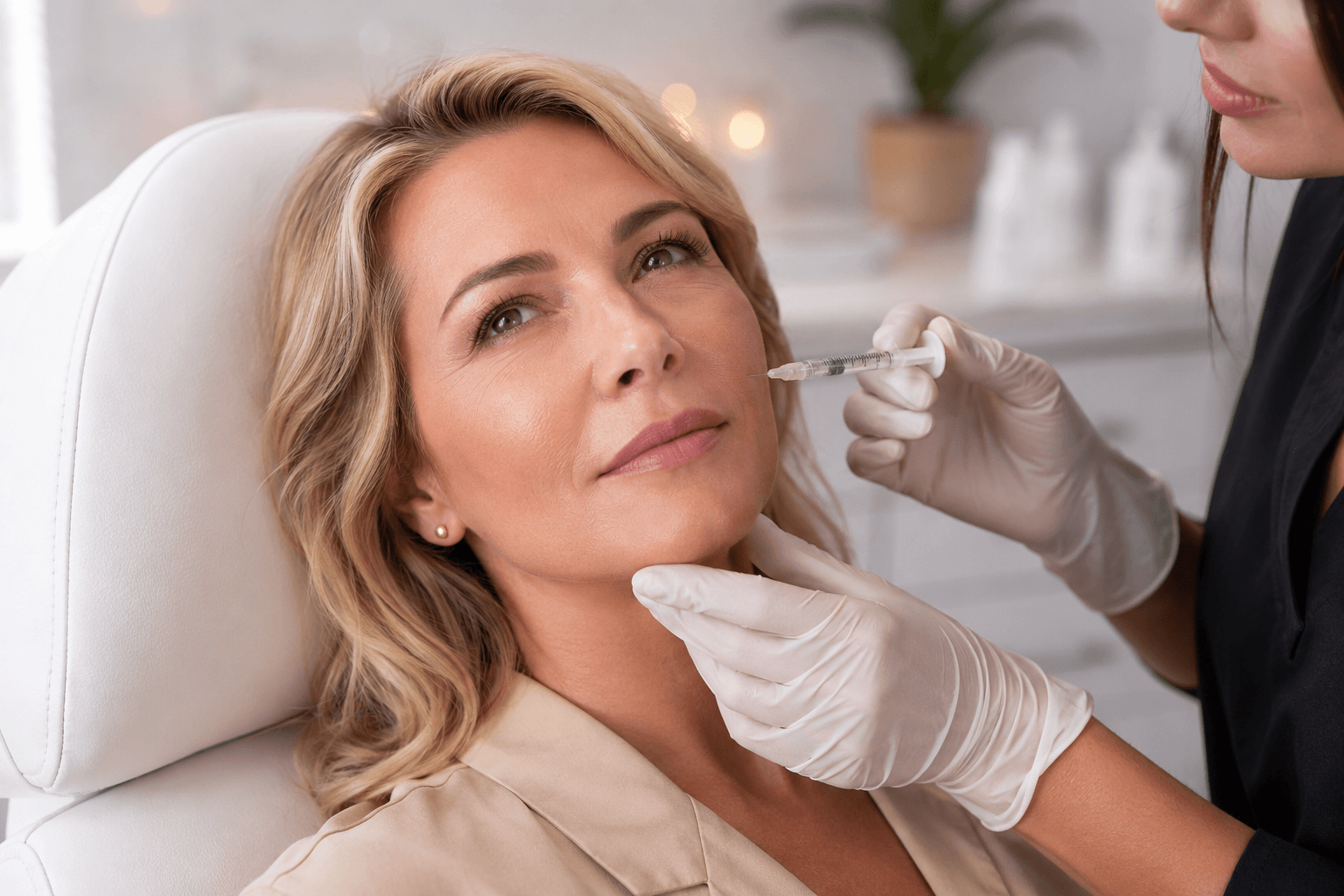
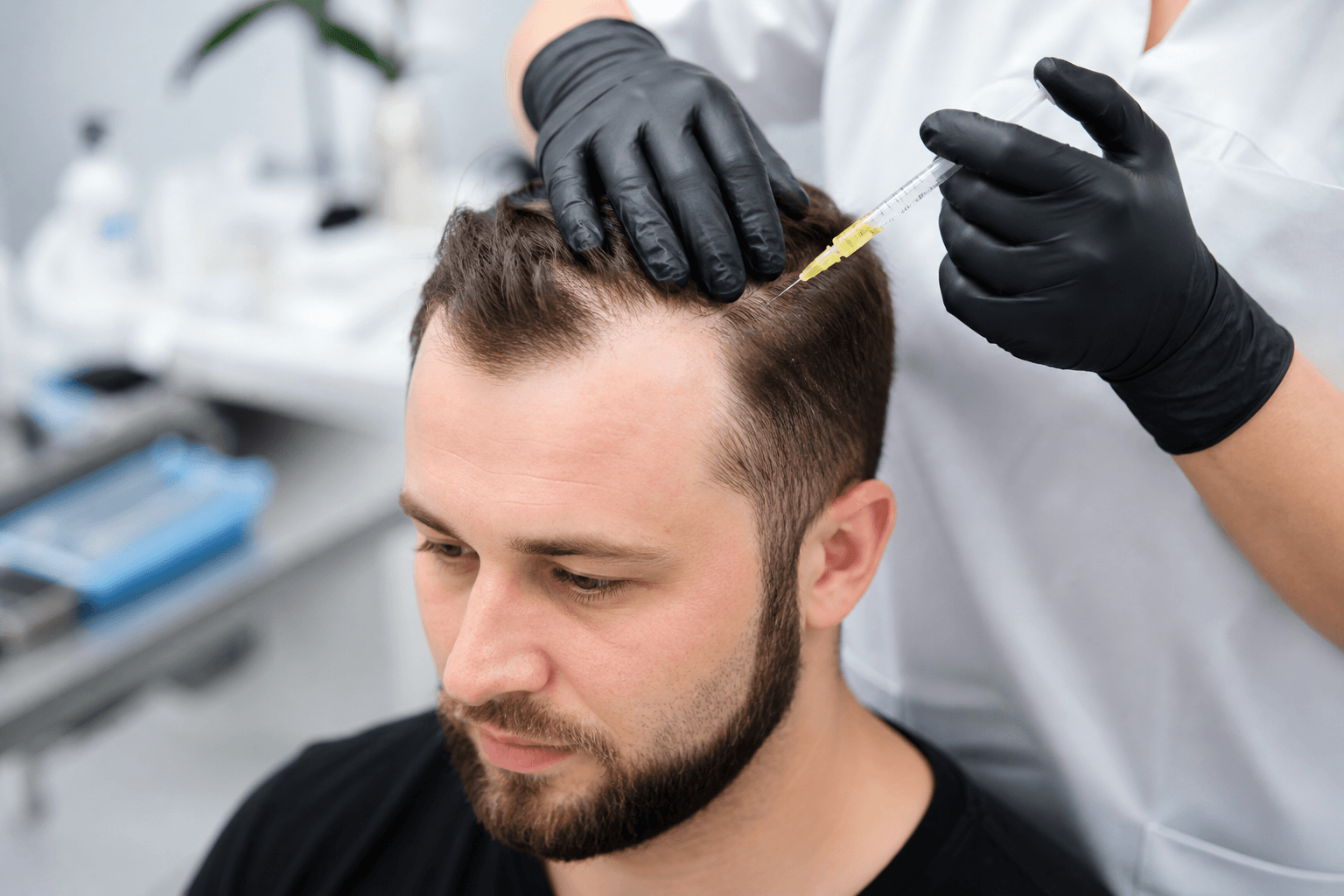
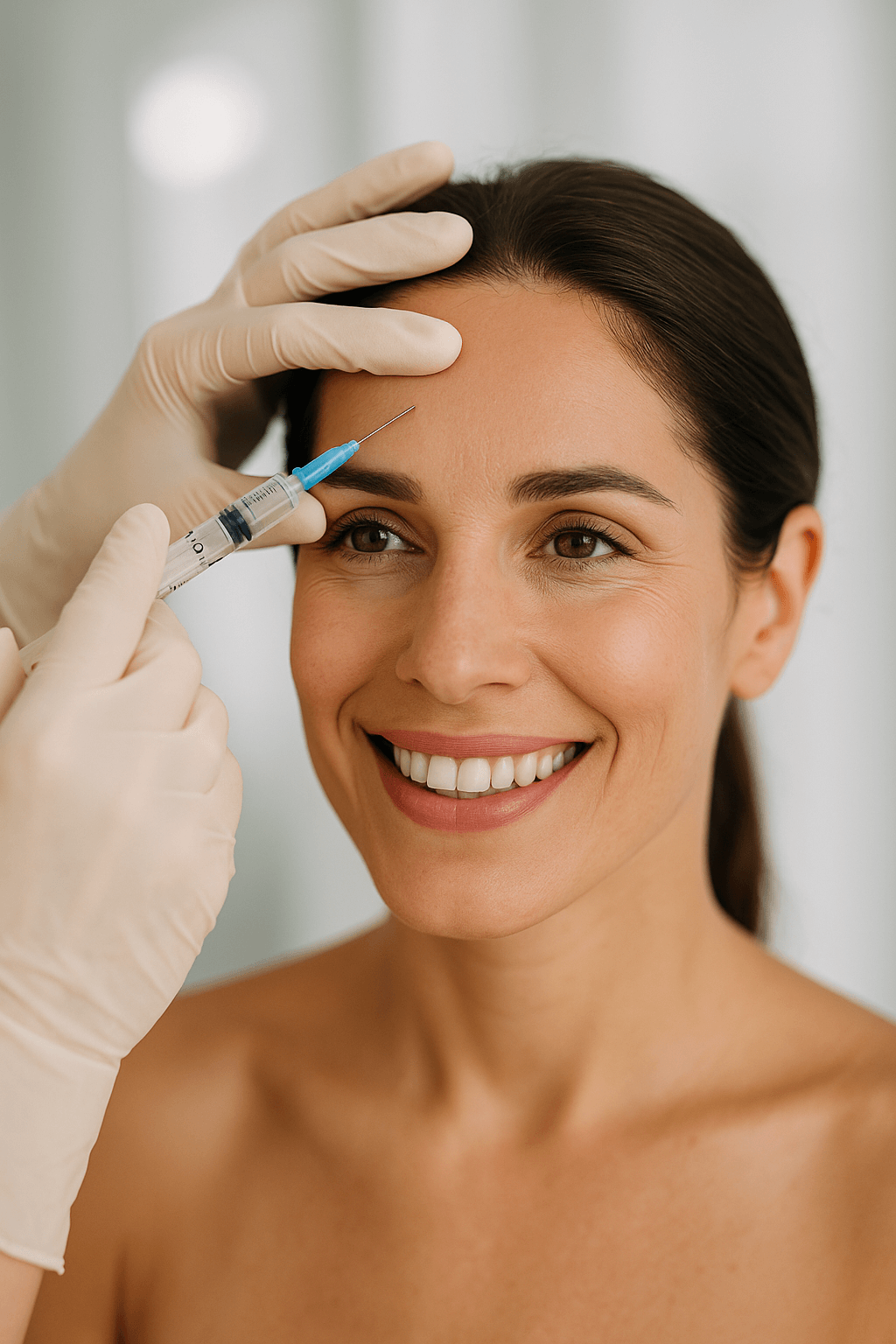
PRP stands for platelet-rich plasma. PRP hair restoration at Louisville Aesthetics involves drawing a small amount of your own blood, processing it to concentrate the platelet-rich plasma, and injecting it into the scalp. The goal is to stimulate natural hair growth and enhance hair density and thickness using your body's own growth factors.
Because PRP comes from your own blood, many women like that it does not involve a foreign substance. It is a medical procedure, though, and it should always be performed by trained providers after a proper evaluation.
Interest in PRP for pattern hair loss has grown quickly, and a number of clinical studies and reviews have explored it. Results so far are encouraging but not uniform, since studies use different preparation methods, schedules, and patient groups. That is why honest expectations matter. PRP is not a guaranteed fix, and how well it works varies from person to person.
Every patient needs an individual evaluation, but women who tend to be good candidates often share a few traits:
PRP may be less suitable if hair loss is sudden, patchy, or tied to an untreated medical issue. In those cases, a medical workup should come first.
A PRP hair restoration session at Louisville Aesthetics typically takes 60 to 90 minutes, which includes the blood draw and PRP preparation. The treatment itself is focused on the scalp.
Hair grows slowly, so patience is part of the process. Results can typically be seen within a few months. The effects can last several months to a year, and regular maintenance sessions can help sustain and enhance results over time.
For busy women, the 60 to 90 minute appointment window is worth planning ahead. Many patients book a time when they can head home or work remotely afterward. Ask your provider about any specific aftercare, such as when you can wash or style your hair.
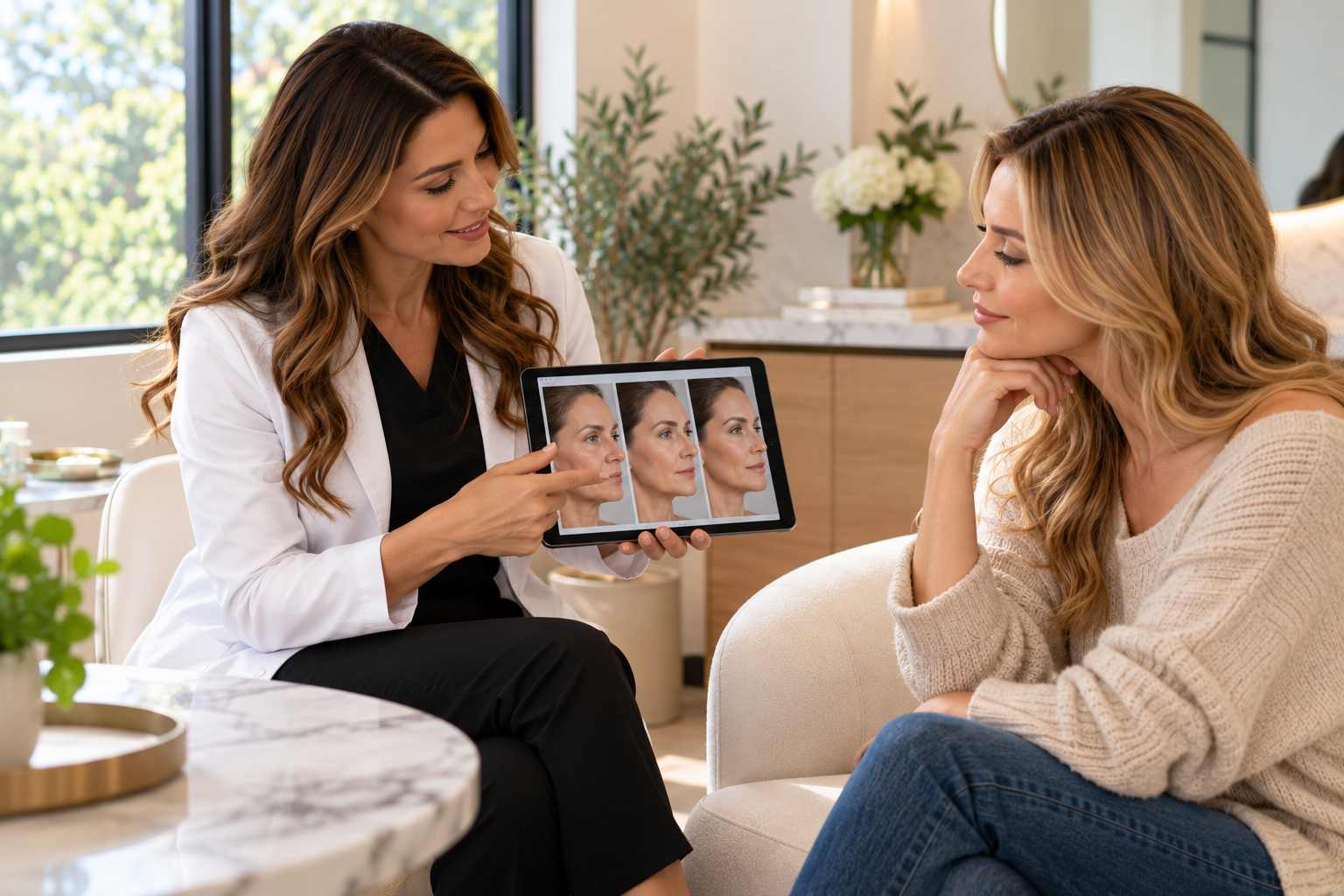
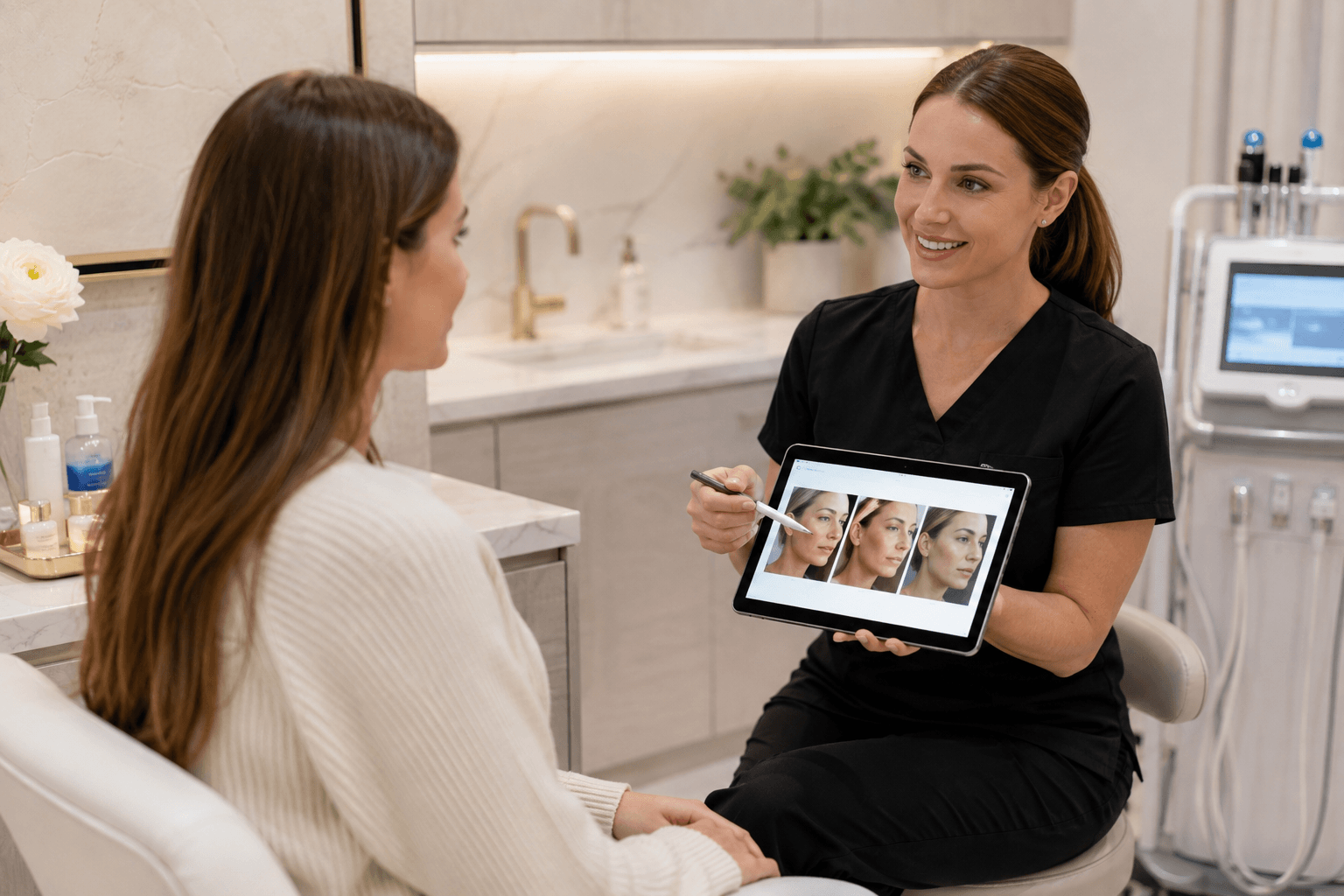
A good consultation should leave you feeling informed rather than sold to. Consider asking:
Clear answers to these questions help you decide with confidence, and they set realistic expectations from day one.
Many women use a layered approach to hair health. That may include addressing nutrition or stress, gentle styling habits, and medical treatments recommended by a provider. If you are in your 40s or beyond, Louisville Aesthetics' guide to aesthetics in your 40s lists PRP hair restoration among the treatments commonly considered during that stage of life.
Your provider can help you decide what combination makes sense based on the cause and pattern of your thinning.
PRP hair restoration is designed to stimulate natural growth and improve hair density and thickness. Many women explore it for gradual thinning, but results vary. A consultation helps determine whether it fits your type of hair loss.
At Louisville Aesthetics, a session typically takes 60 to 90 minutes, including the blood draw and preparation of the platelet-rich plasma.
Results can typically be seen within a few months. Since hair grows slowly, it is helpful to track progress with photos taken in the same lighting over time.
PRP uses your own blood, which is one reason many patients feel comfortable with it. As with any procedure, your provider will review your medical history to make sure it is appropriate for you.
If your hair loss is sudden, patchy, or comes with other symptoms like fatigue or weight changes, it is wise to look for an underlying cause. Sometimes treating that cause helps the hair recover.
Thinning hair can chip away at confidence, but you do not have to guess your way through it. Understanding the cause, setting realistic expectations, and working with a provider who listens can make the process feel far less overwhelming.
Learn more about PRP and other care at Louisville Aesthetics, then contact our Louisville office to schedule a consultation and talk through a plan built for your hair and your life.