

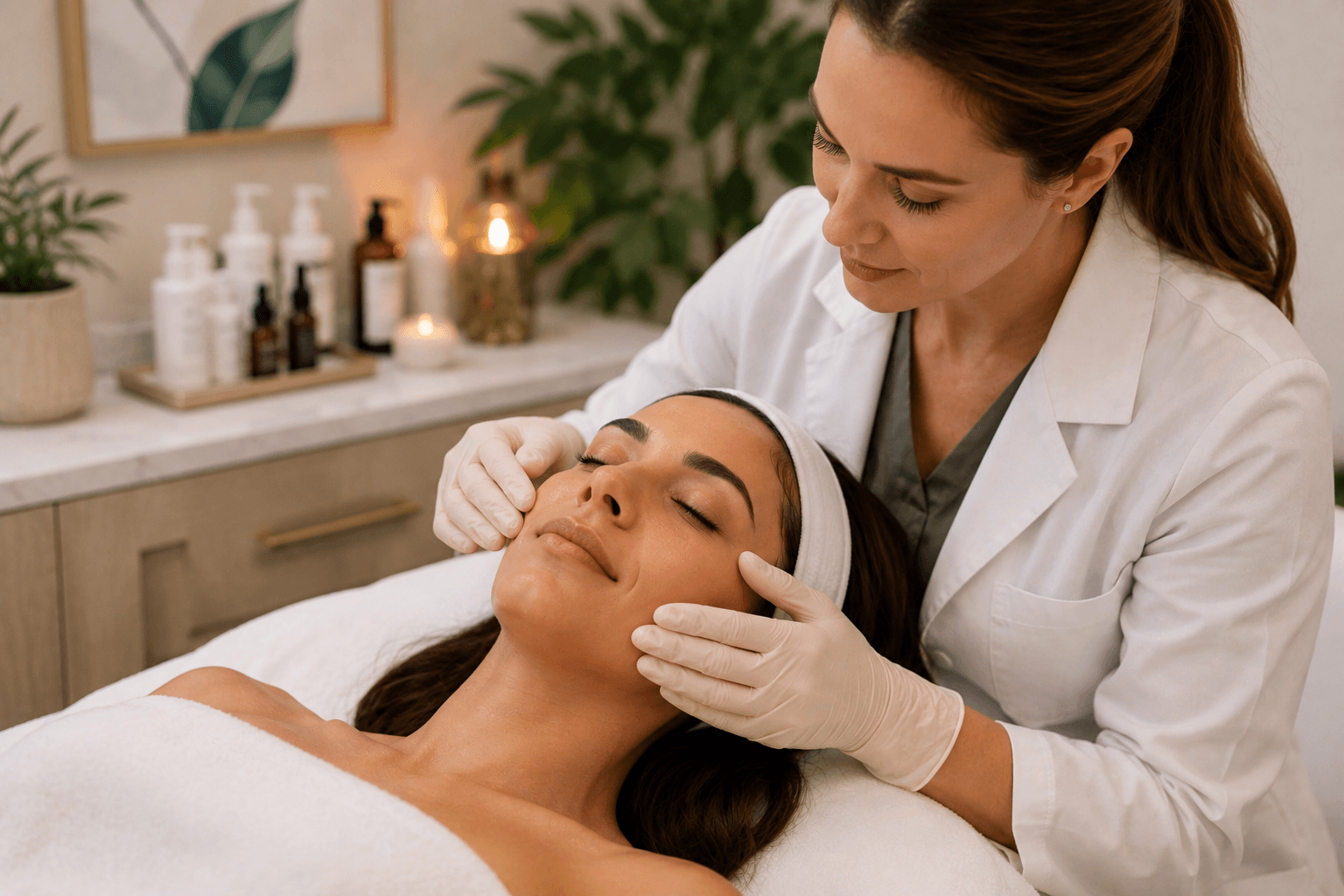
There's a growing interest in treatments that work with the body rather than against it, and cell healing is one of the clearest examples of that shift. Instead of relying purely on external products or synthetic ingredients, cell healing uses components already present in your own body, most commonly through PRP, to encourage repair at a cellular level.
For people in Louisville looking into options for skin repair, hair thinning, or general rejuvenation, understanding how cell healing actually works can help clarify whether it's the right fit for your goals. Updated this month, here's a straightforward explanation of the process and what it can realistically do.
Cell healing refers to treatments that stimulate the body's natural repair processes at the cellular level, often using platelet-rich plasma, or PRP, derived from your own blood. PRP contains a concentrated amount of growth factors and proteins that play a key role in tissue repair and regeneration. When reintroduced into the skin or scalp, these components can help stimulate collagen production, improve circulation, and support the body's own healing mechanisms.
This is different from treatments that simply sit on top of the skin. Cell healing works from within, encouraging your body to do what it already knows how to do, just more efficiently and in a targeted area.
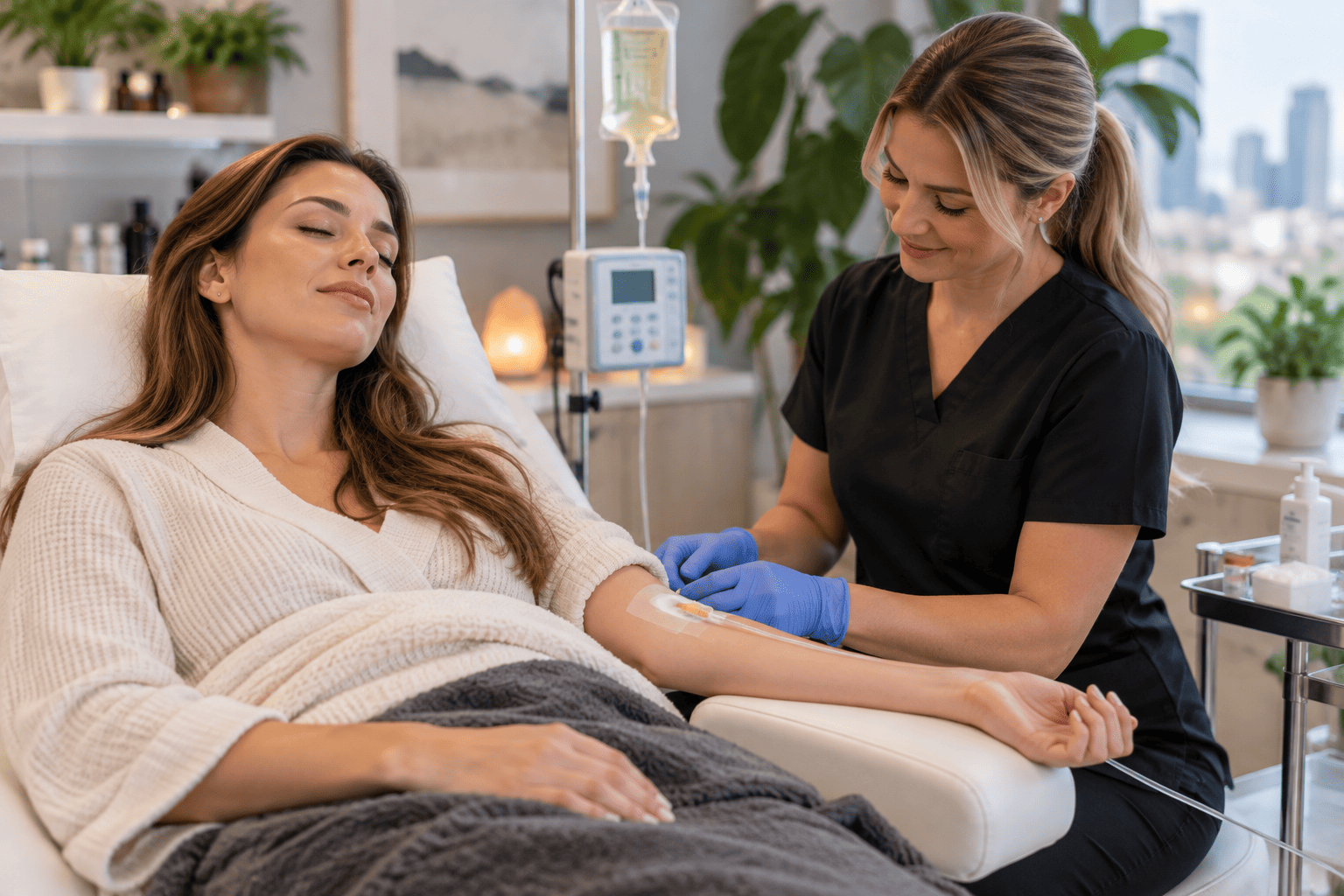
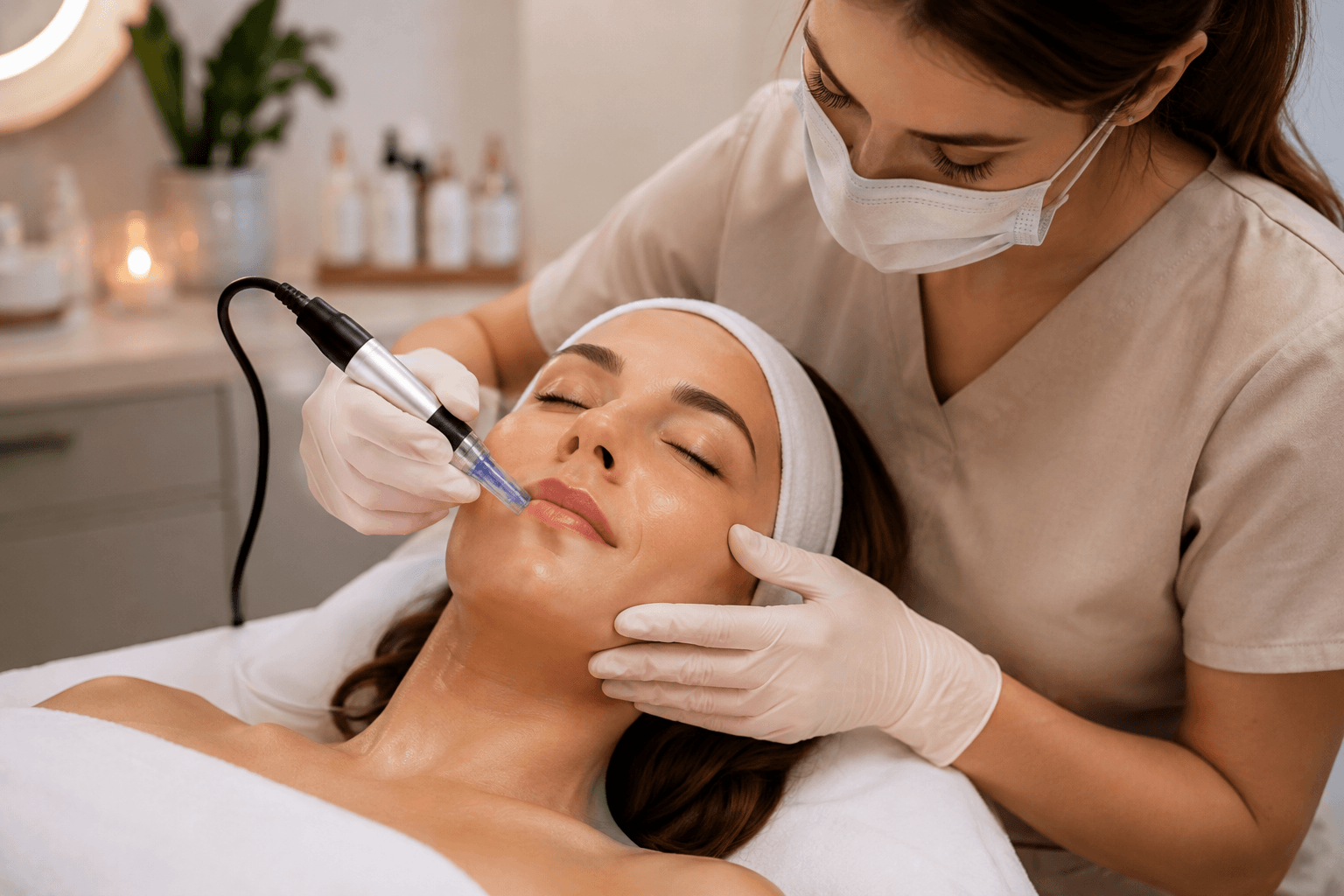
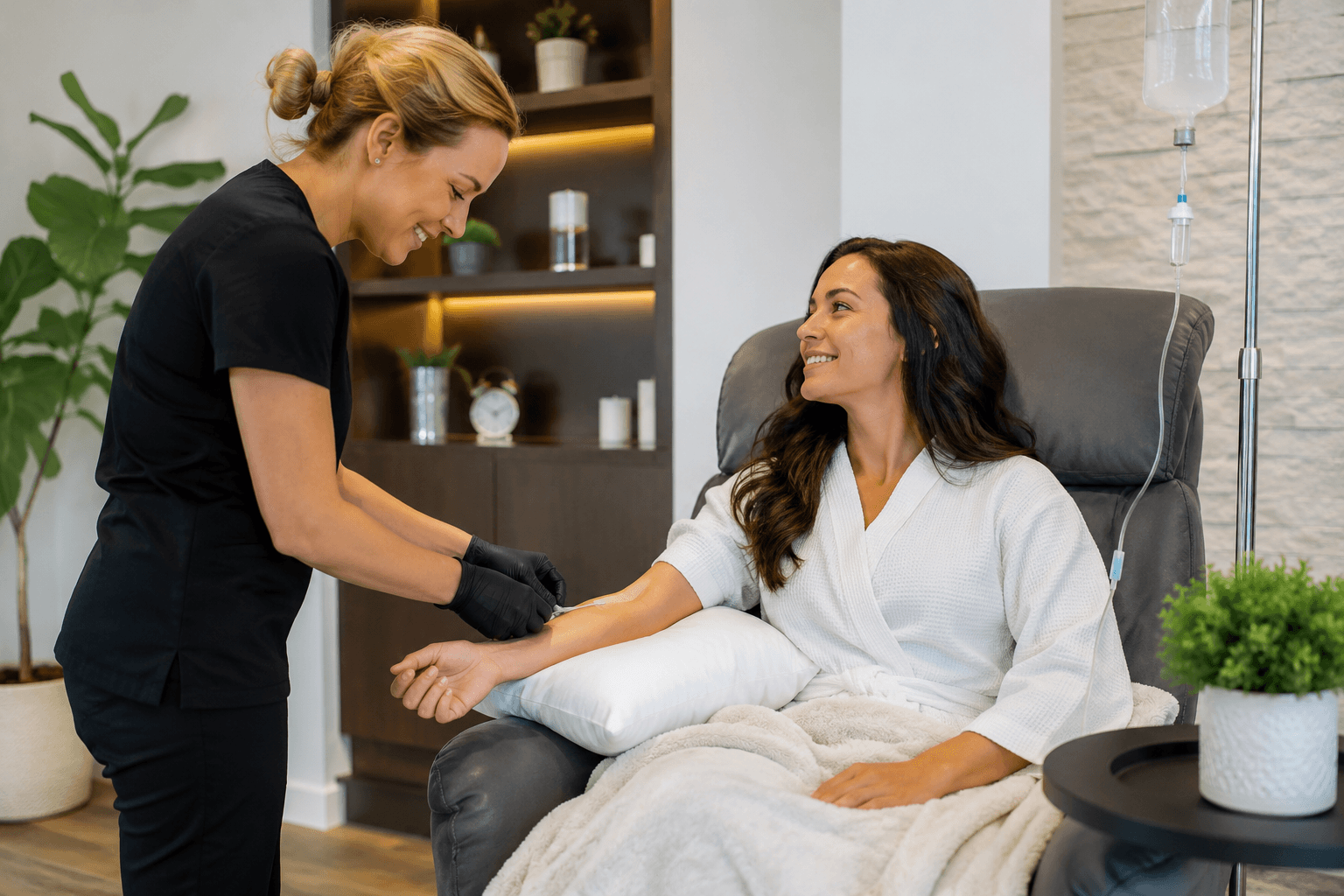
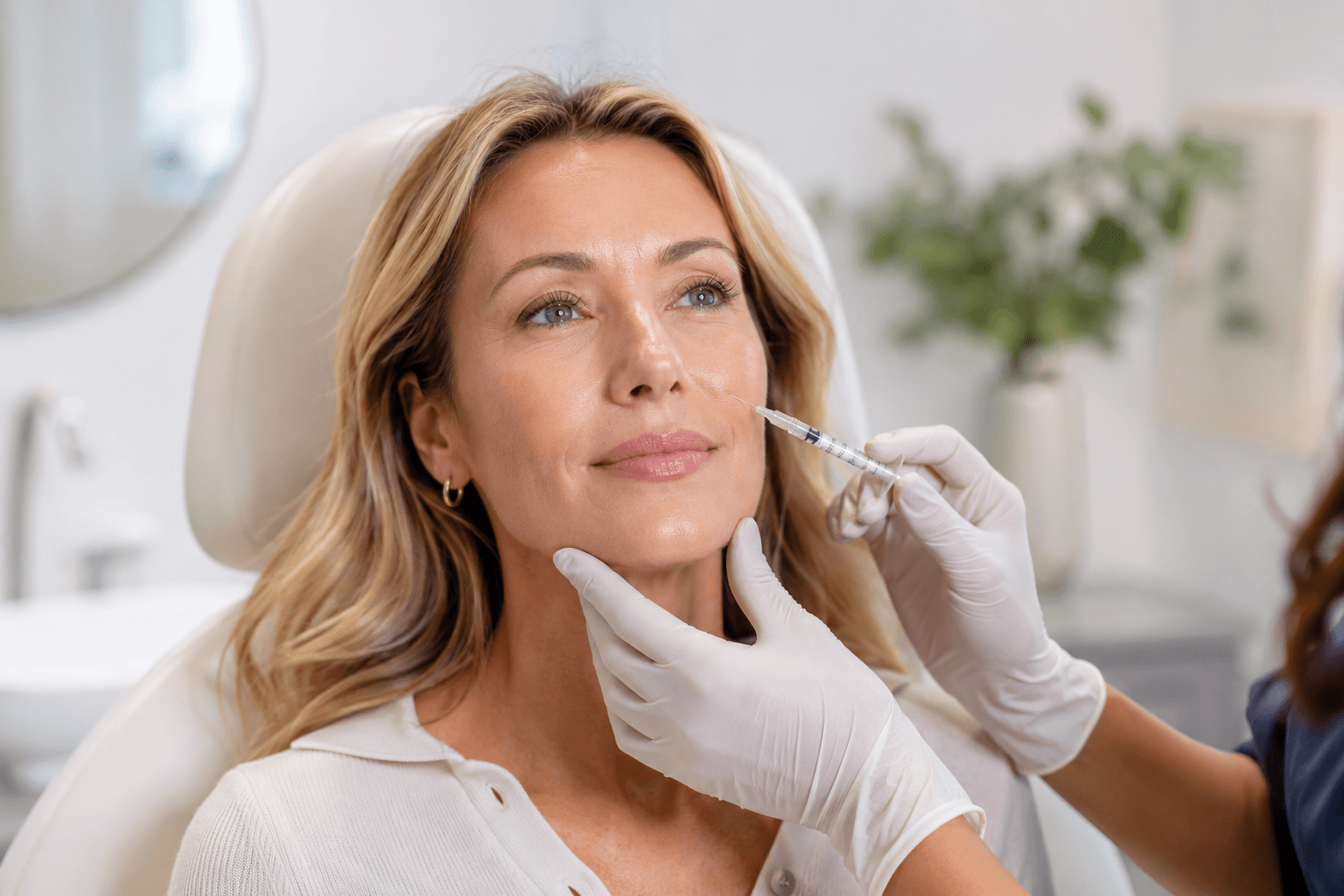
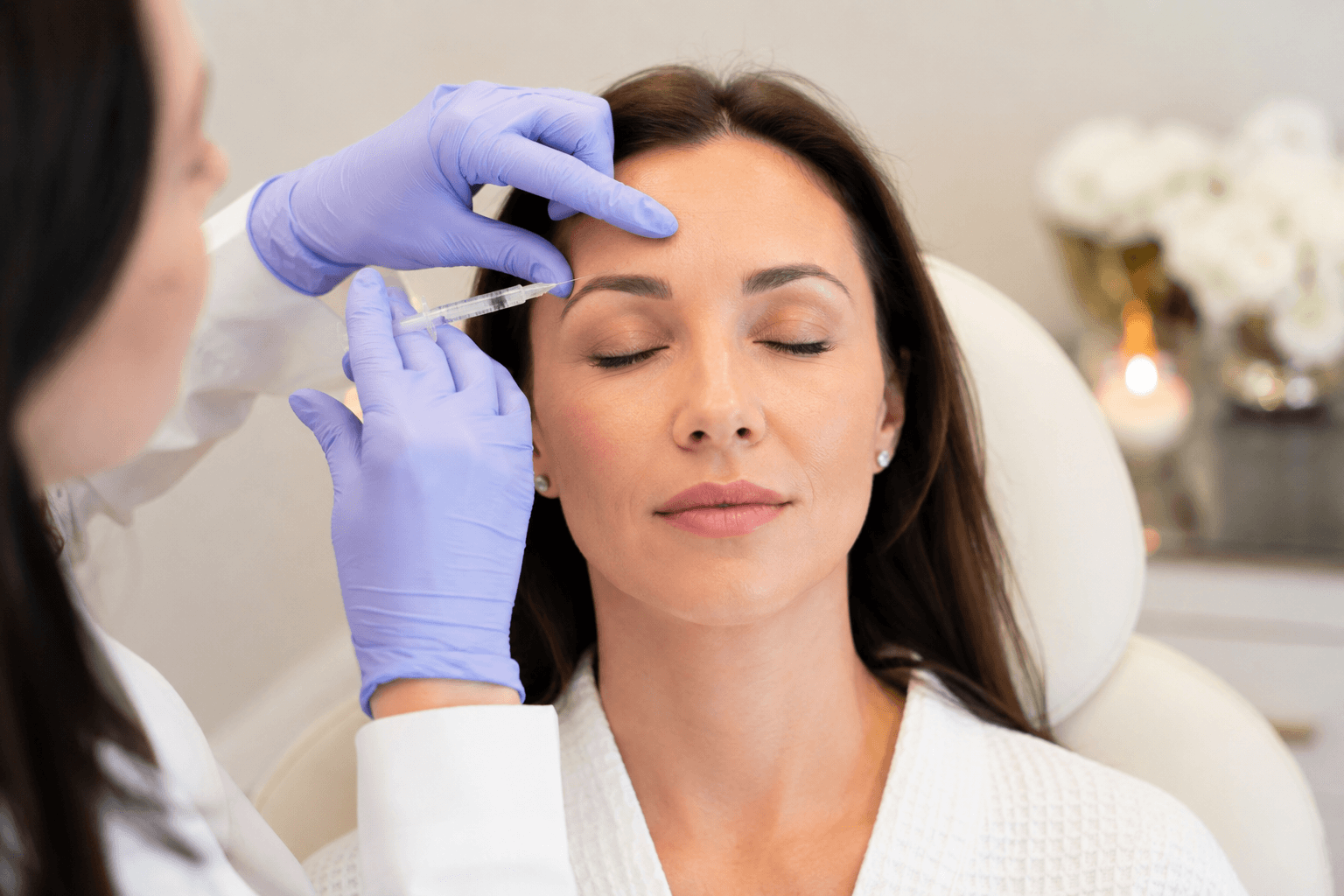
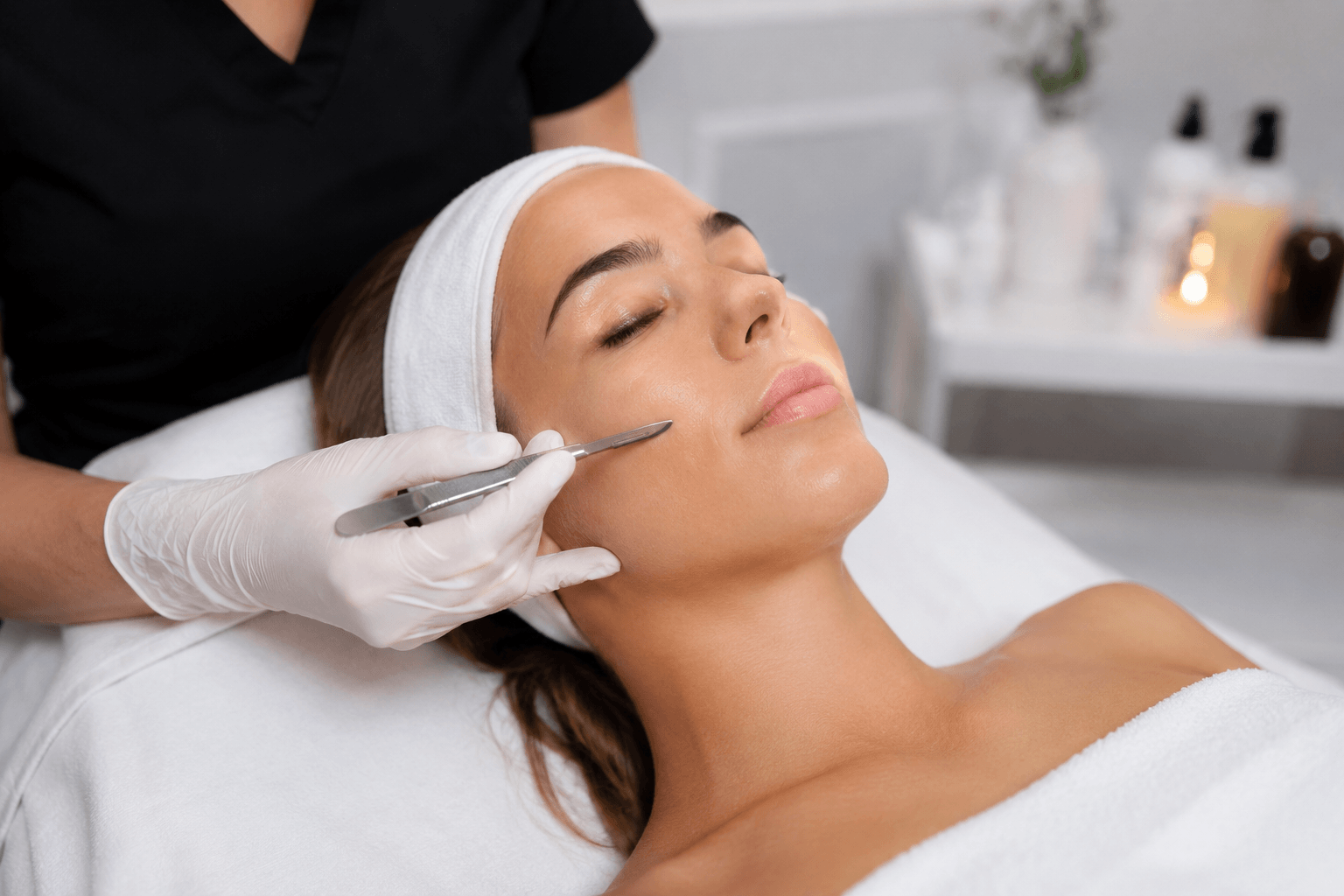
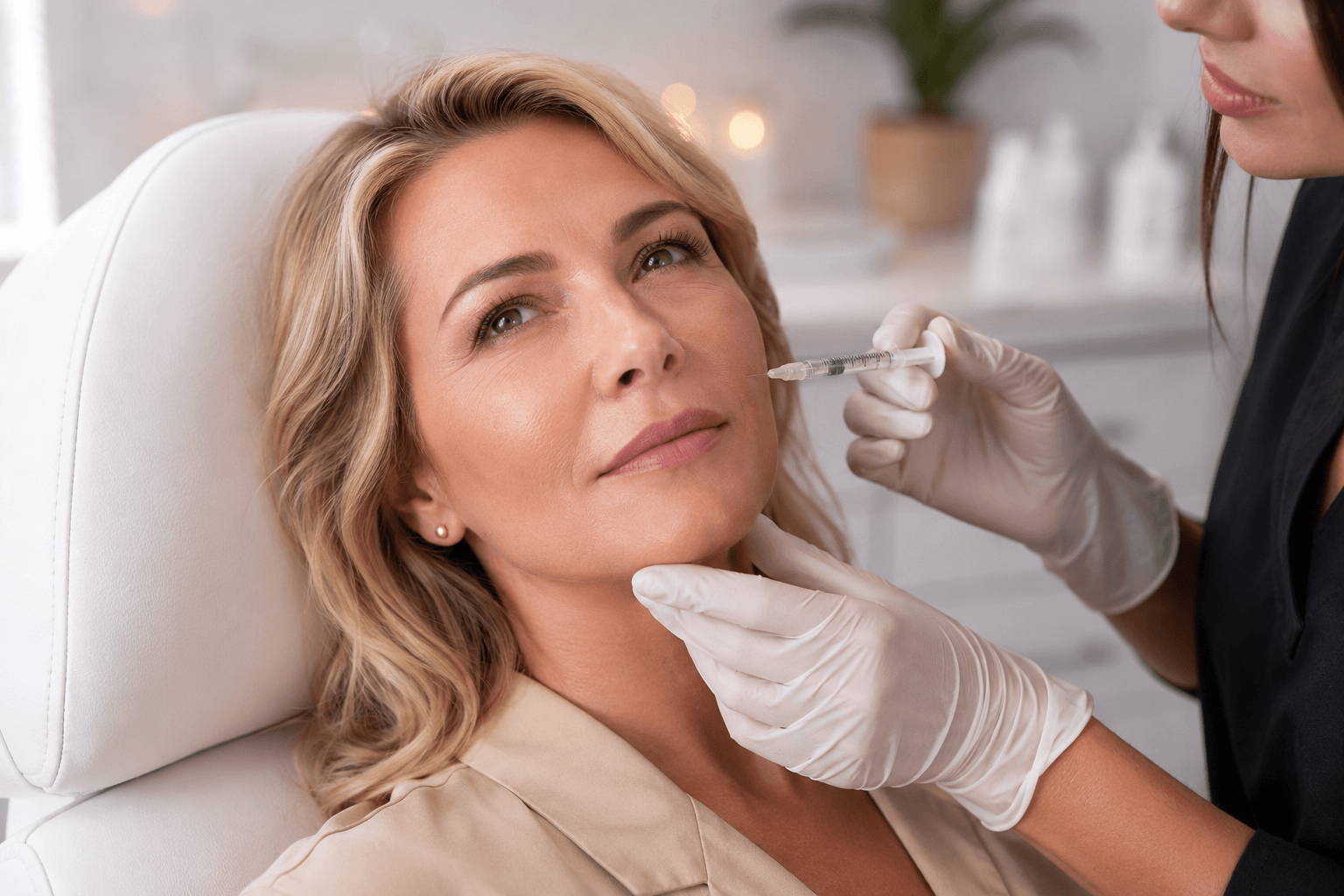
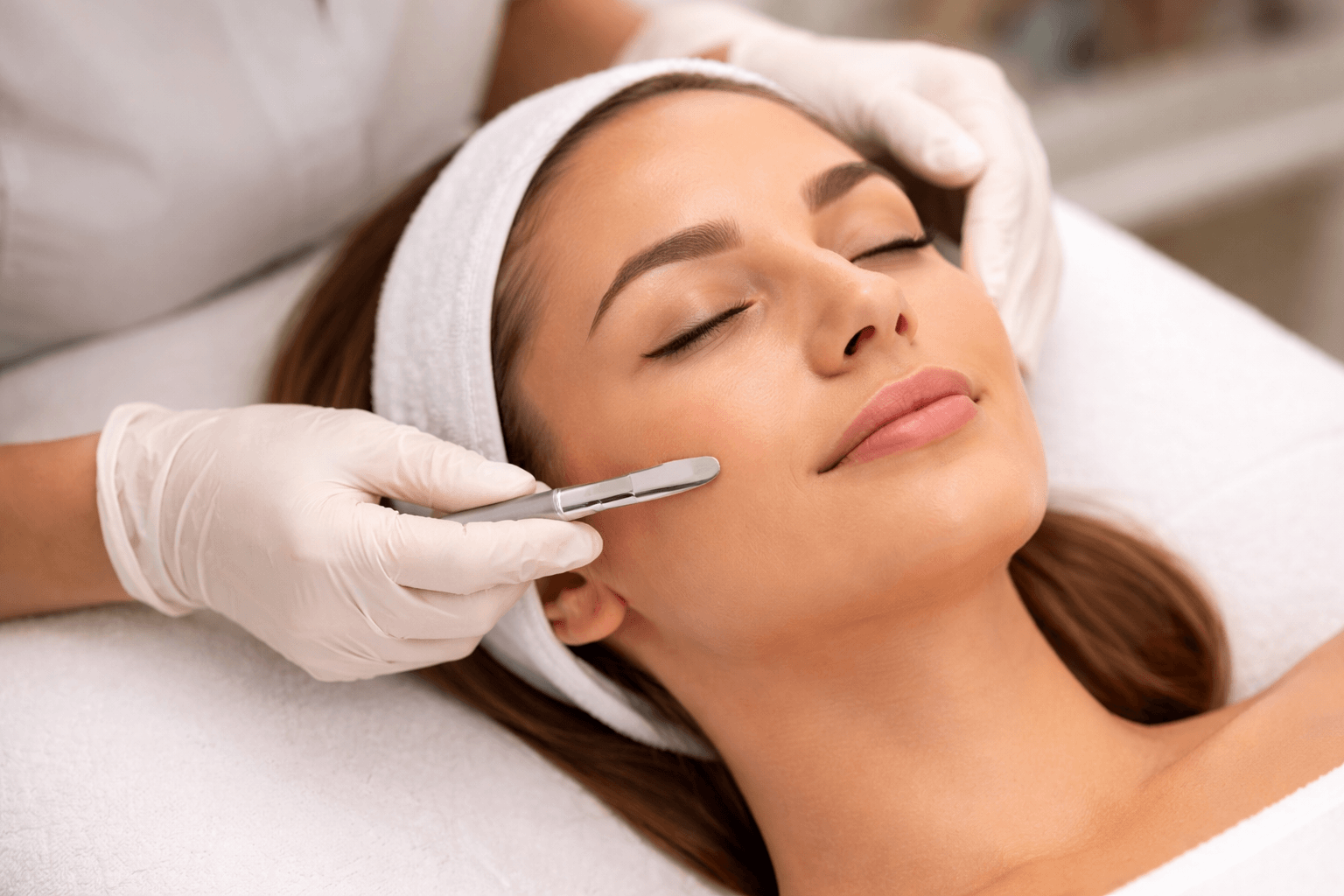
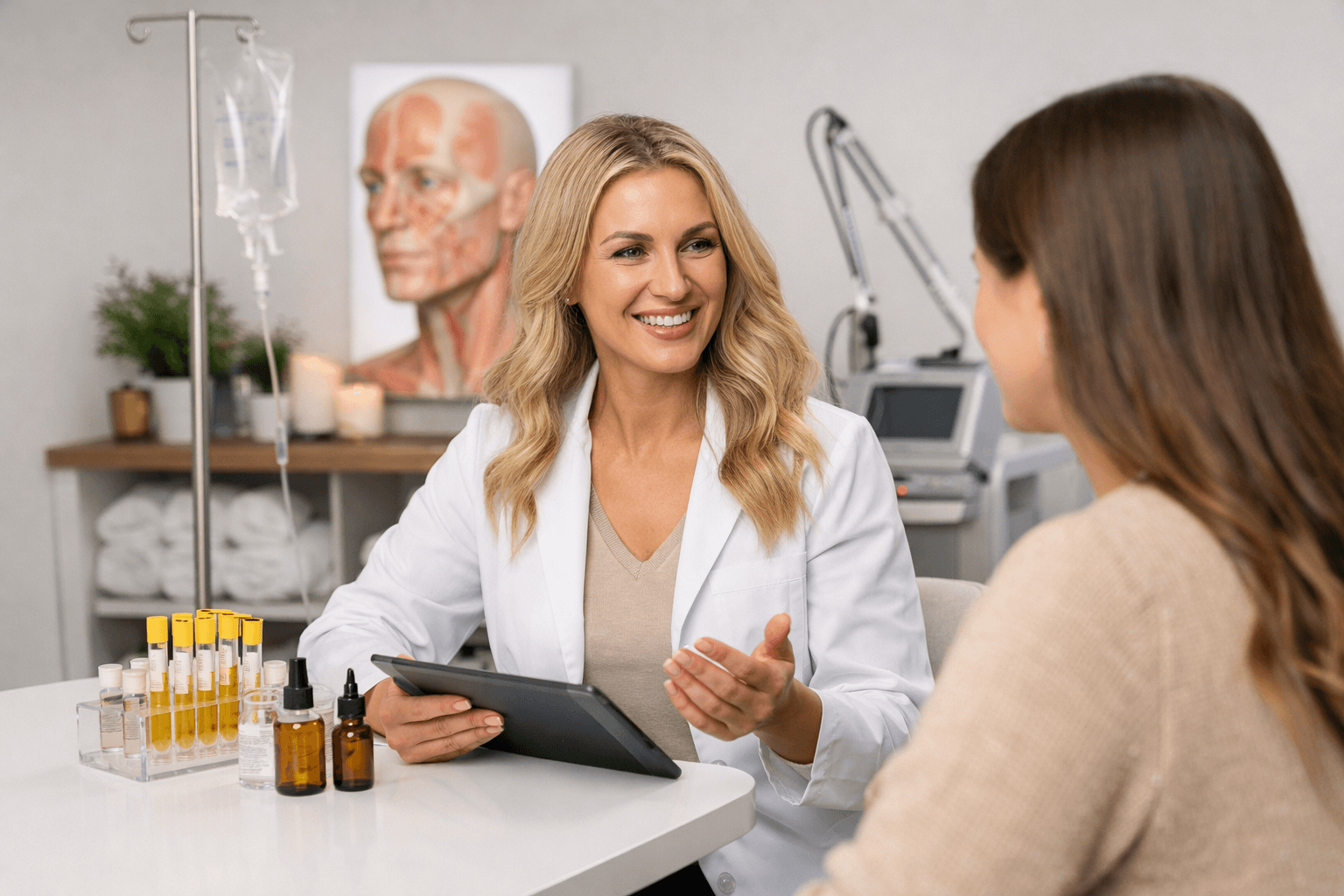
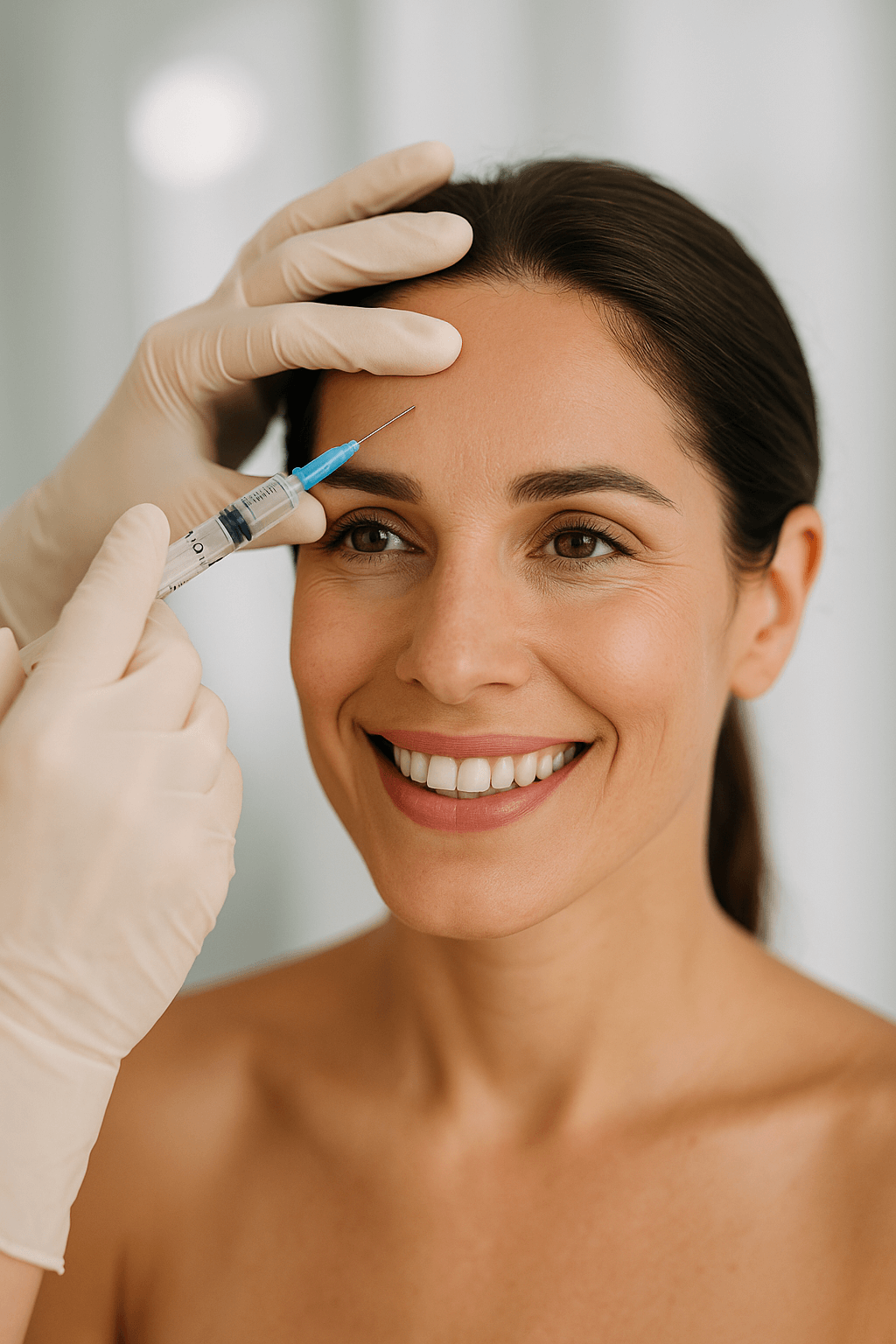
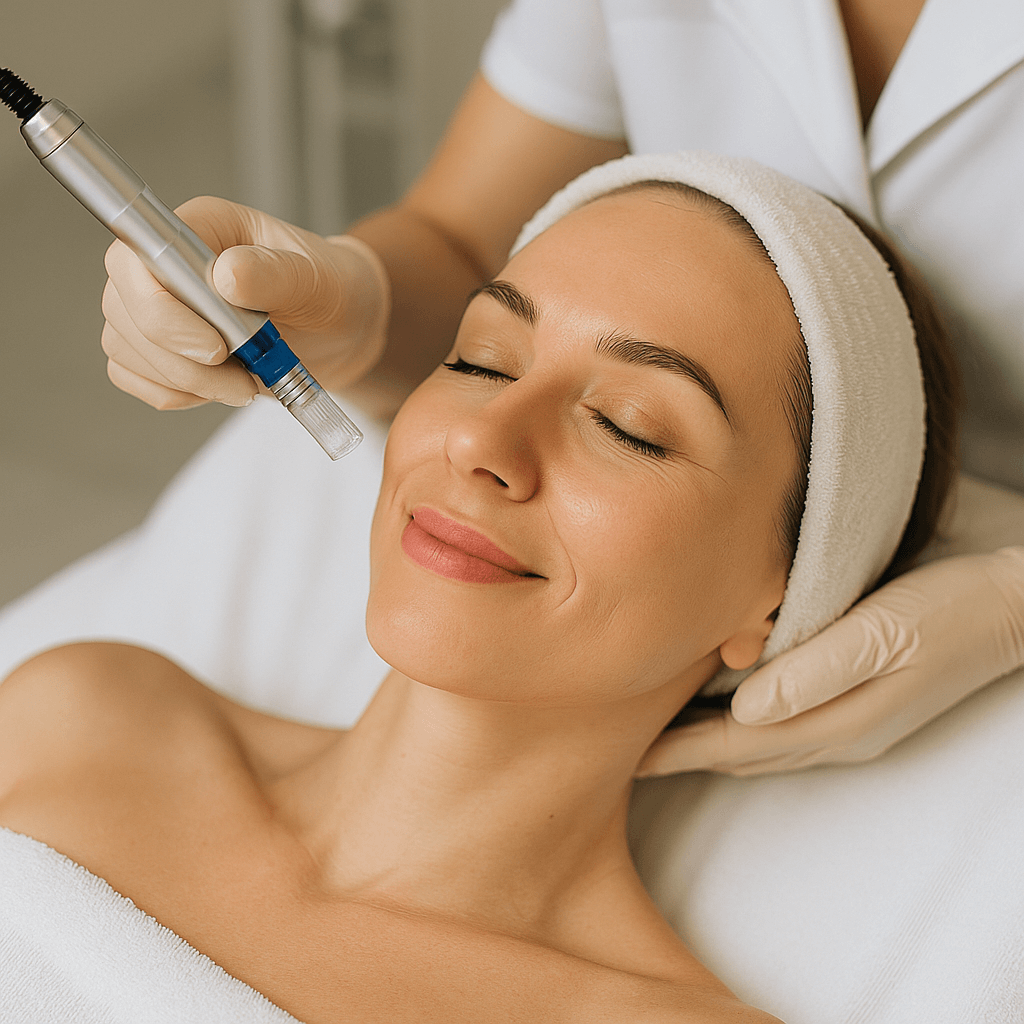
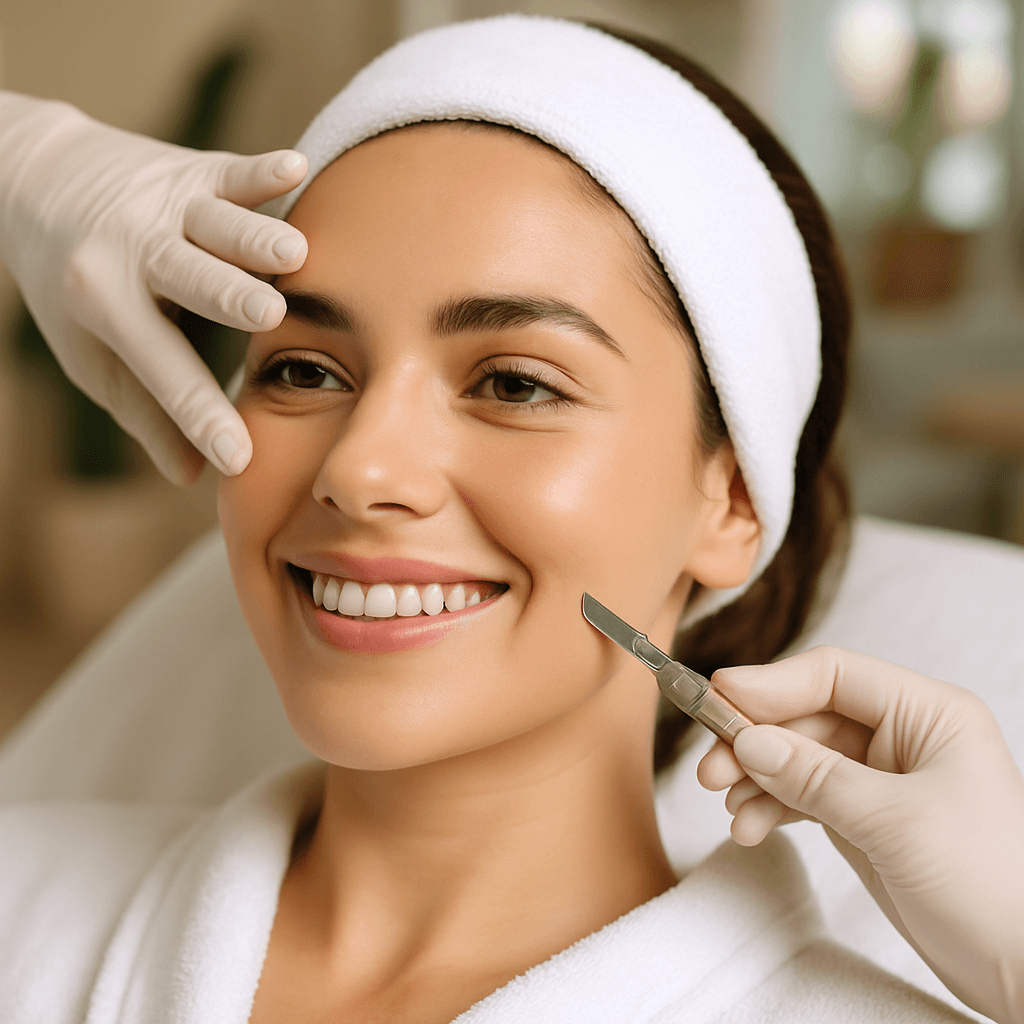
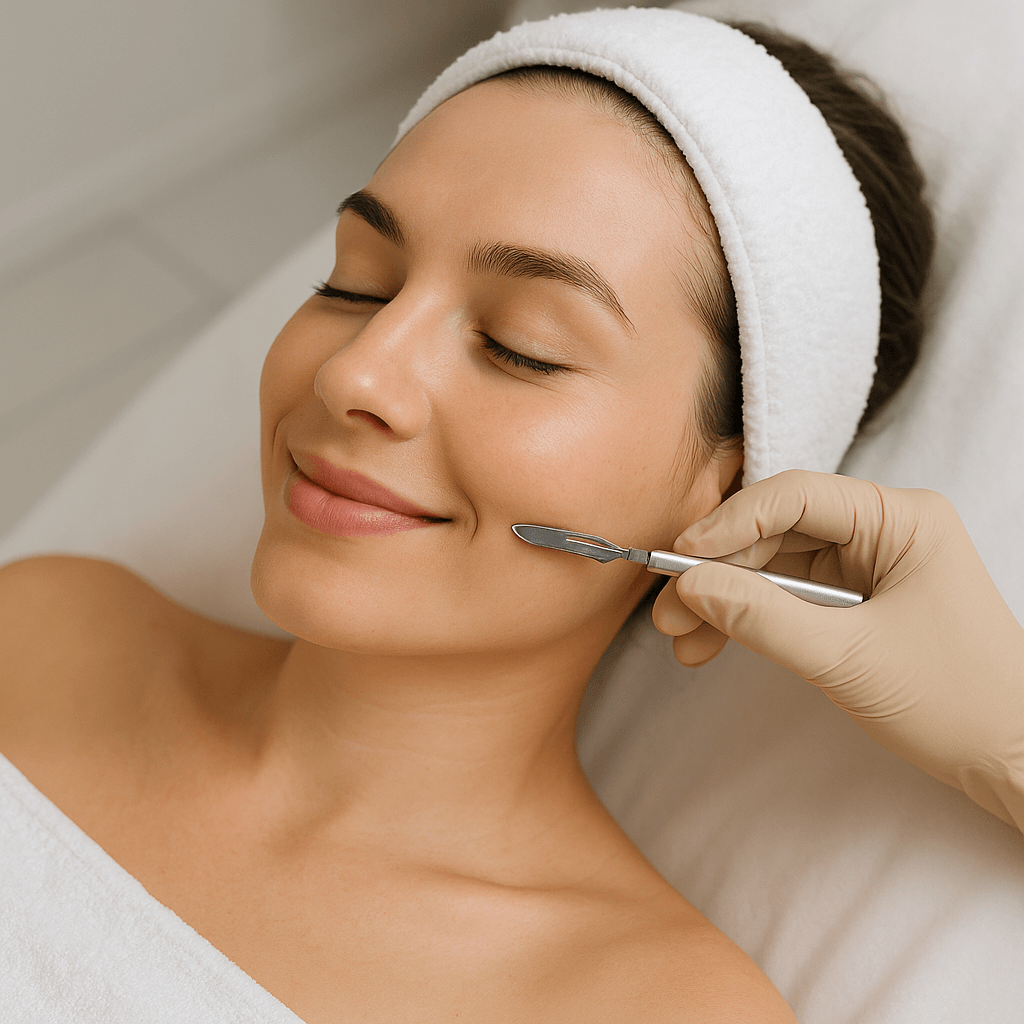
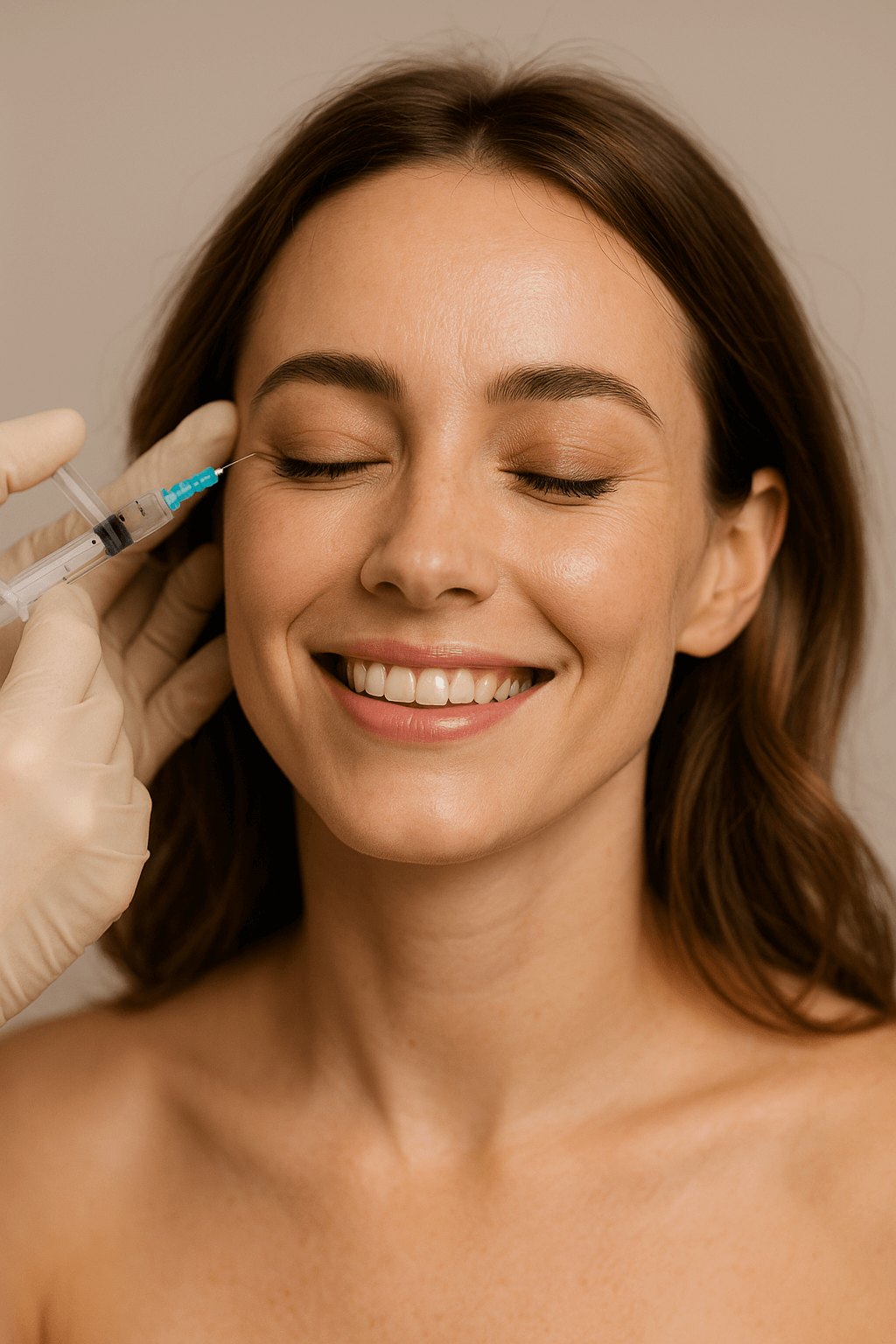
The process starts with a small blood draw, similar to routine bloodwork. That sample is then processed to separate and concentrate the platelets, which are rich in growth factors involved in tissue repair. The resulting PRP is then applied to the treatment area, often in combination with microneedling, so it can penetrate more effectively into the skin.
Because PRP comes from your own blood, the risk of allergic reaction or rejection is minimal. Your body recognizes these components as its own, which is part of why this approach has become popular for people seeking effective treatment with a strong safety profile.
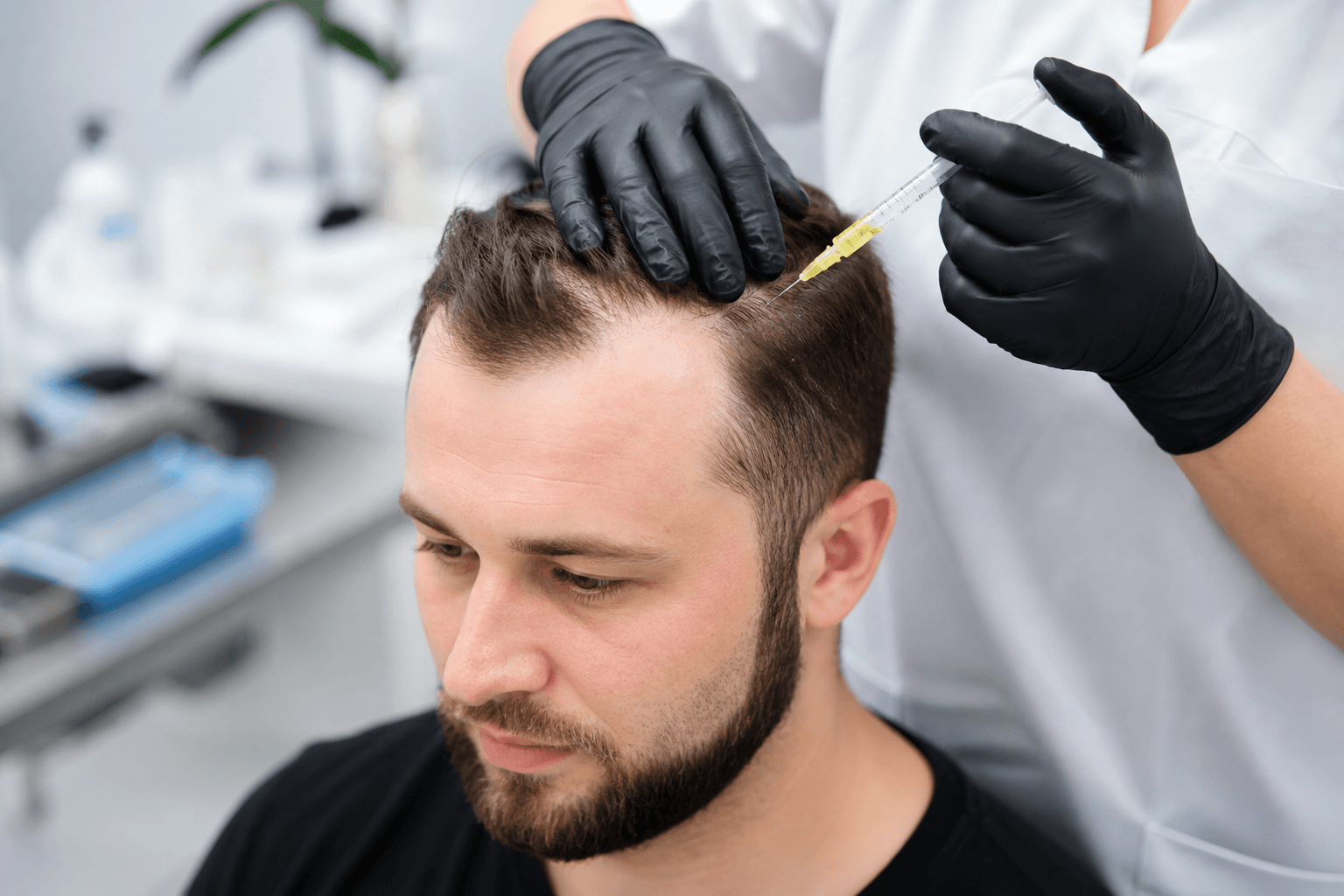
Yes, and this is one of the more appealing aspects of the approach. The same underlying science applies to different areas of the body:
Because the underlying mechanism is the same, many people incorporate both into their overall care, addressing skin concerns and hair thinning through the same foundational approach.
Many aesthetic treatments work by adding something to the body, like a filler or a topical product. Cell healing instead works by activating what's already there. This distinction matters for a few reasons:
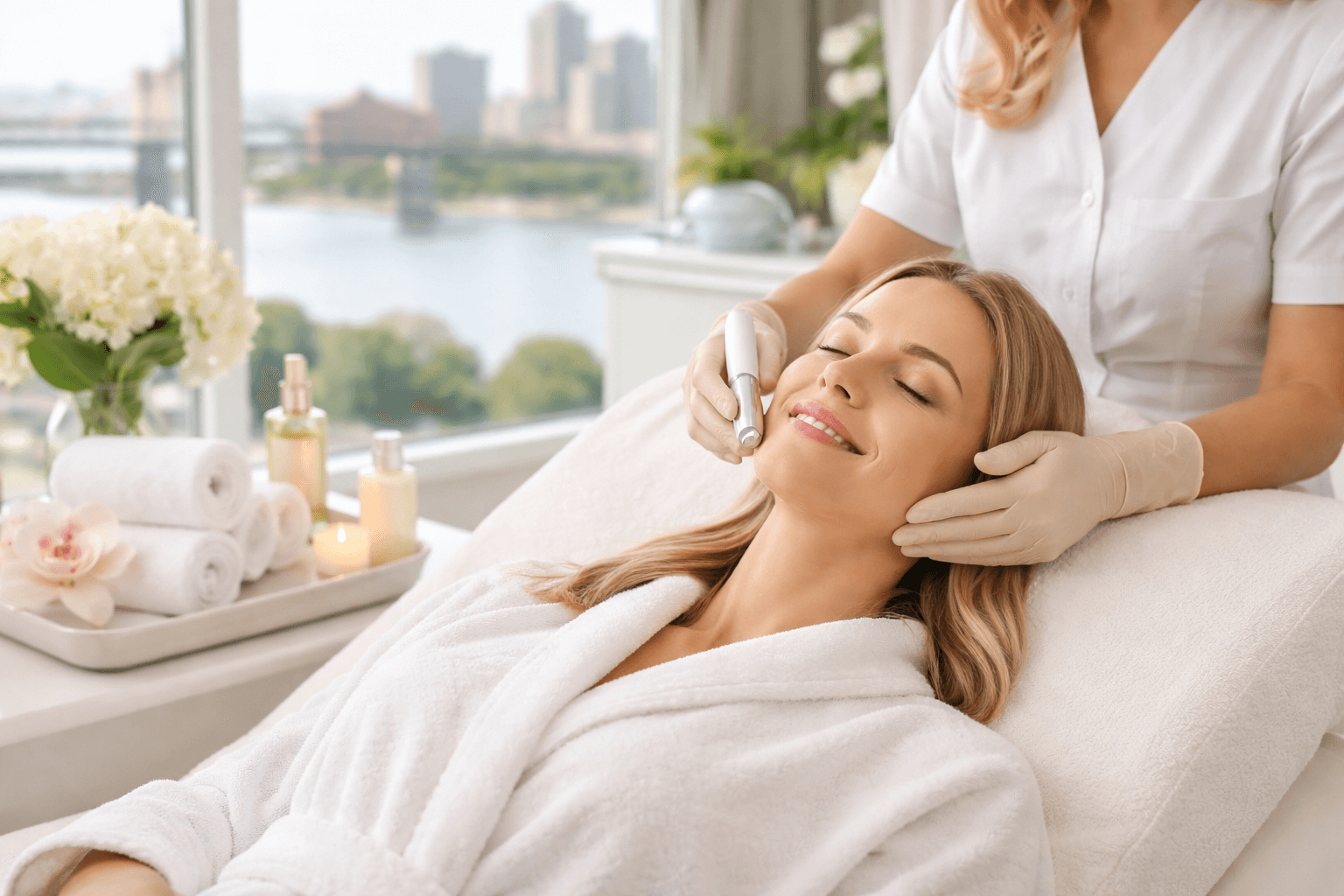
The blood draw and processing typically take a short amount of time, after which the PRP is applied to the treatment area. Many providers combine this with microneedling to improve absorption, which means you may experience mild redness or sensitivity similar to a standard microneedling session.
Results build gradually as your body responds to the growth factors, typically becoming noticeable over the following weeks. Most people see continued improvement over a series of treatments spaced several weeks apart, rather than a single dramatic change after one session.
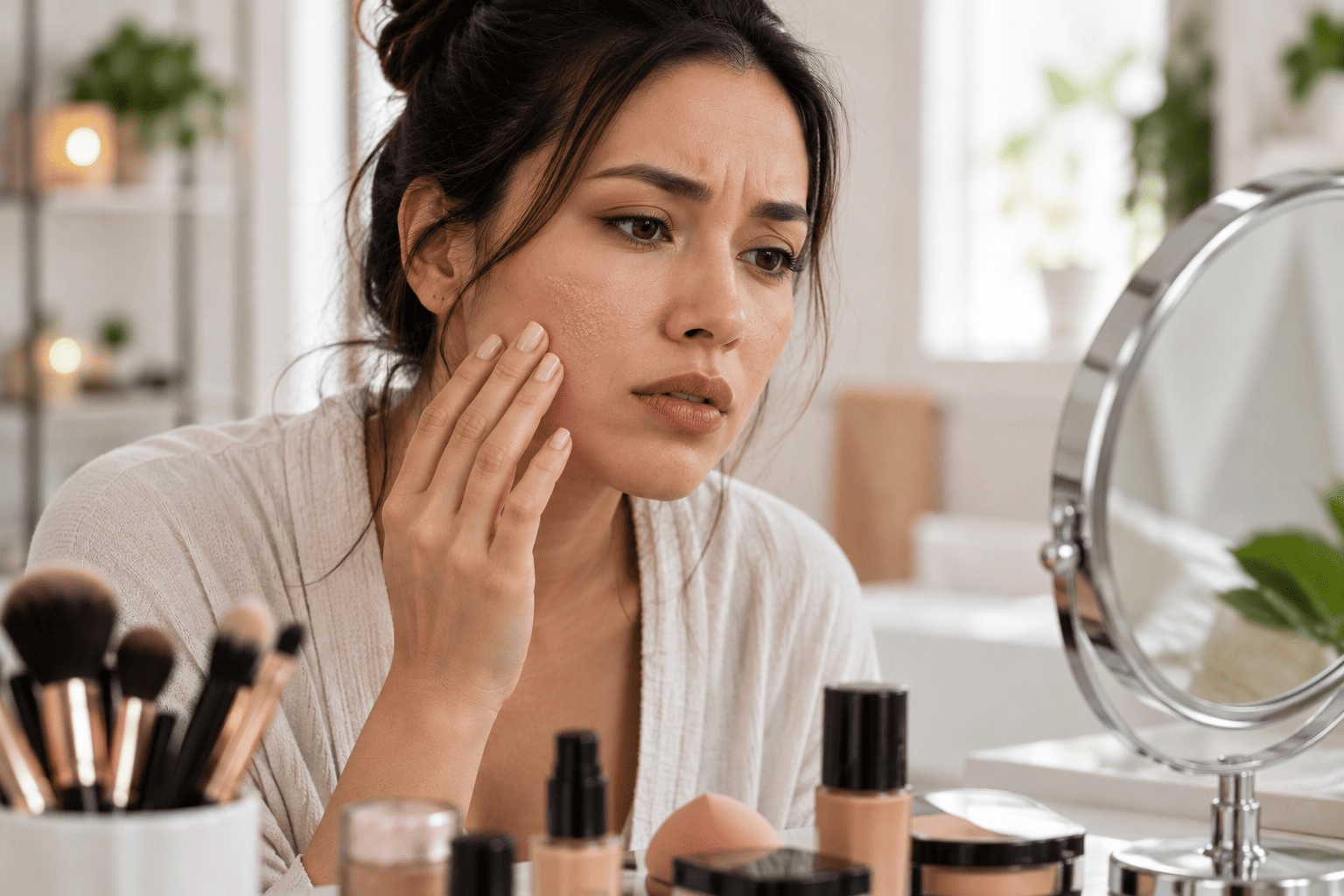
Cell healing tends to work well for people dealing with:
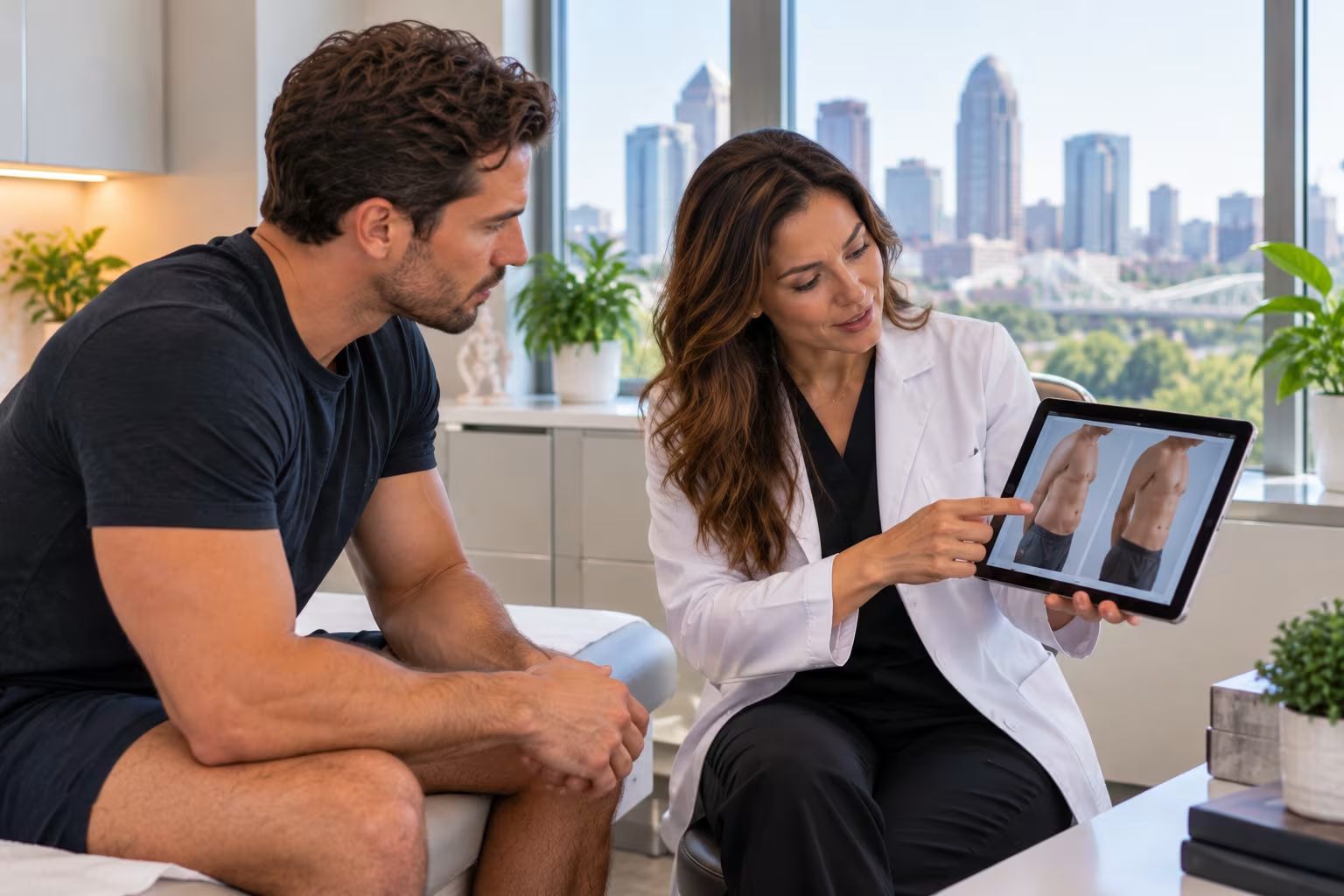
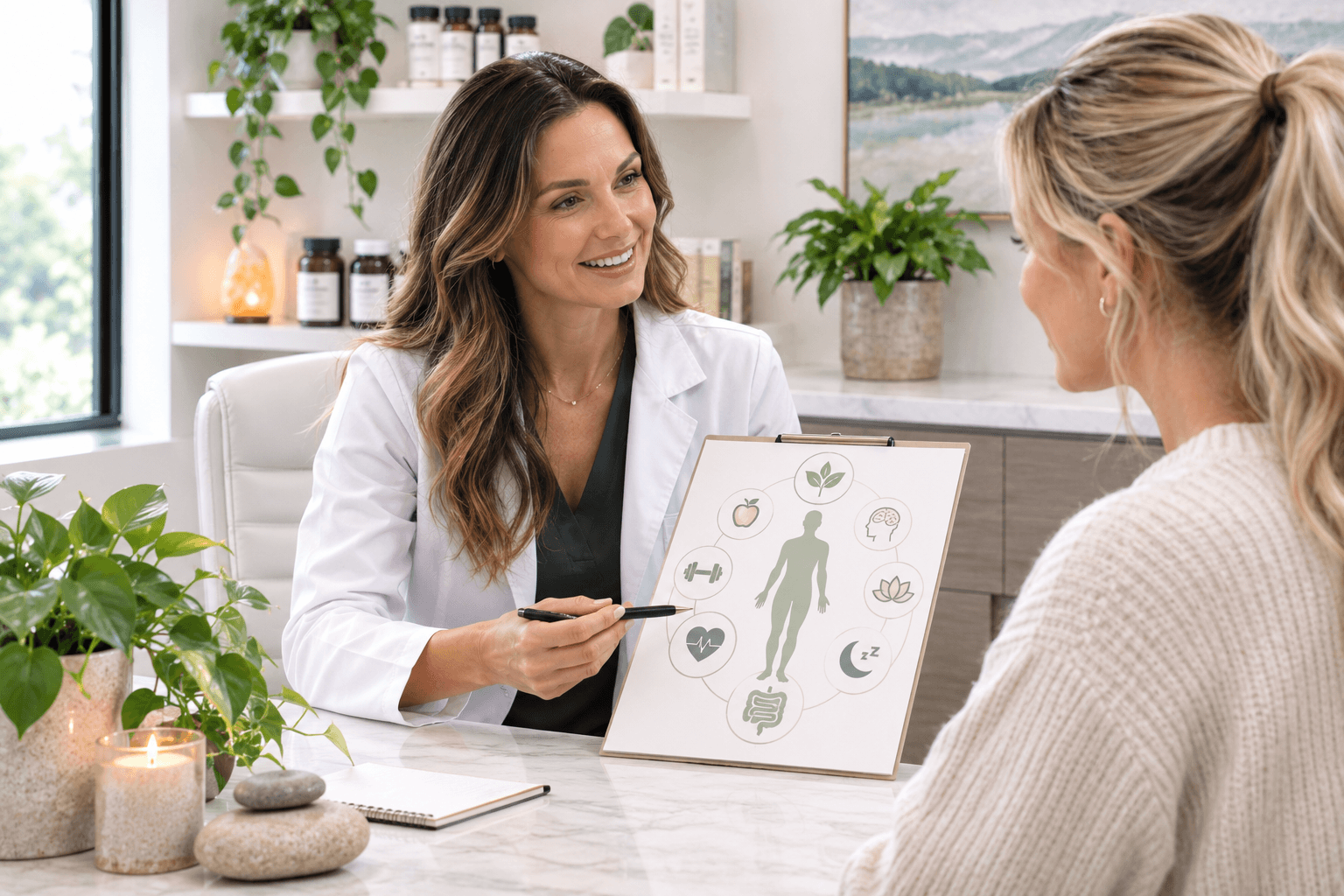
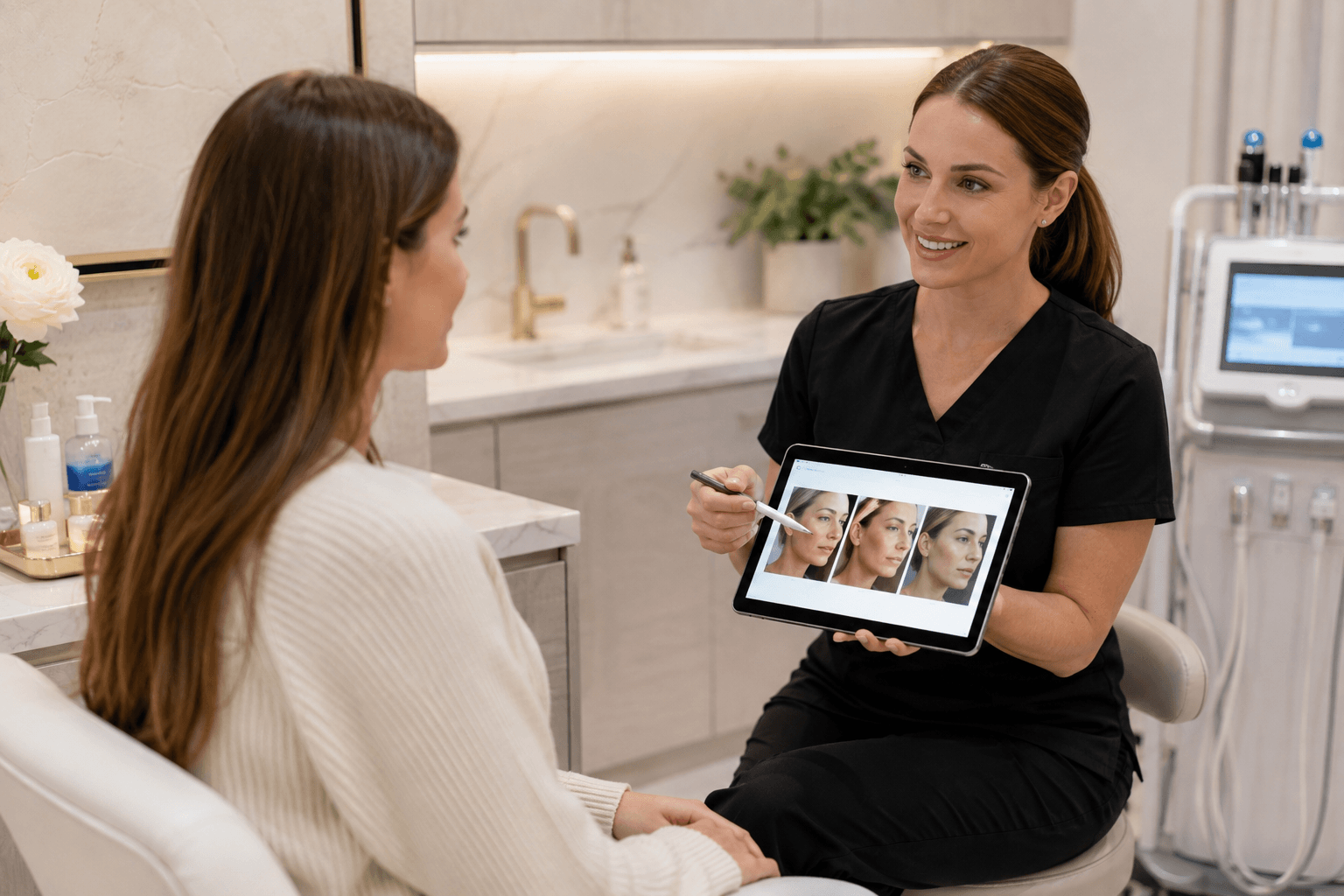
As with any treatment, individual results vary, and a consultation is the best way to determine whether cell healing aligns with your specific goals and health history.
More people are looking for treatments that feel proactive rather than corrective, and cell healing fits that mindset well. It's less about masking a problem and more about supporting the body's own ability to repair and regenerate, which resonates with people who want results that feel authentic rather than artificial.
At its core, cell healing is a reminder that the body already has powerful tools for repair. Treatments like PRP simply help direct and concentrate that natural process where it's needed most.
Whether your focus is skin, hair, or both, cell healing offers a way to work with your body's own biology rather than around it, which is exactly why the results tend to feel so natural.
Is cell healing the same as PRP therapy? PRP is the most common form of cell healing used in aesthetic treatments, though the term can also apply more broadly to any treatment that stimulates natural cellular repair.
How many cell healing sessions are typically needed? Most people benefit from a series of three to four sessions spaced several weeks apart, followed by periodic maintenance depending on their goals.
Is cell healing safe? Because it uses components from your own blood, the risk of allergic reaction is minimal, making it a well-tolerated option for most people.
Can cell healing be combined with other treatments? Yes, it's commonly paired with microneedling to improve how well the PRP absorbs into the skin.
Curious whether cell healing is right for your skin or hair goals? Explore our Cellenis PRP services or learn about PRP hair restoration at Louisville Aesthetics.







.png)
.png)













.png)











.jpg)


