


Finding more hair in the shower drain or noticing a wider part than you remember can be unsettling, especially when it happens gradually enough that you cannot pinpoint exactly when it started. Hair thinning is one of those concerns people often quietly worry about for months before ever looking into what is causing it or what can be done. The good news is that thinning hair has real, identifiable causes, and in many cases, real solutions.
At Louisville Aesthetics, this is a conversation that comes up often, particularly from clients who assumed hair loss was simply something to accept rather than something to address. This article walks through why hair thinning happens, what separates normal shedding from a real pattern of loss, and how PRP hair restoration Louisville clients have been turning to can help support thicker, healthier looking hair over time.
Yes, to a point. On average, people shed somewhere between fifty and one hundred hairs a day as part of the natural growth cycle. Hair grows, rests, sheds, and regrows in overlapping cycles, so some daily loss is completely normal and not a sign of a problem. The concern arises when shedding noticeably increases, when regrowth cannot keep pace with the hair being lost, or when thinning becomes visible at the part line, temples, or crown.
Hair thinning rarely has a single cause. It usually reflects one or more of the following factors working together.
Genetics. Androgenetic alopecia, often called pattern hair loss, is the most common cause of thinning in both men and women and is largely inherited. It tends to follow a predictable pattern, thinning at the crown or temples in men and a widening part in women.
Hormonal changes. Pregnancy, postpartum recovery, menopause, thyroid conditions, and shifts in hormone levels can all disrupt the hair growth cycle and trigger noticeable shedding.
Telogen effluvium. This is a temporary form of hair loss triggered by physical or emotional stress, illness, rapid weight change, or surgery. It typically shows up two to three months after the triggering event and often resolves once the underlying stressor is addressed.
Nutritional deficiencies. Low iron, vitamin D, zinc, or protein intake can all impact the hair's ability to grow and stay strong.
Scalp health. Conditions like seborrheic dermatitis or chronic inflammation on the scalp can interfere with the hair follicle environment needed for healthy growth.
Aging. As hair follicles age, individual strands can become finer and the growth cycle can shorten, contributing to a gradual overall thinning even without a specific medical cause.
A few signs point toward a more persistent thinning pattern rather than typical daily shedding. These include a visibly widening part, thinning that is concentrated in one area rather than spread evenly, a scalp that is more visible under normal lighting, hair that feels finer or less dense overall, and shedding that continues for months rather than resolving on its own. If any of this sounds familiar, it is worth getting a professional opinion rather than waiting to see if it improves.
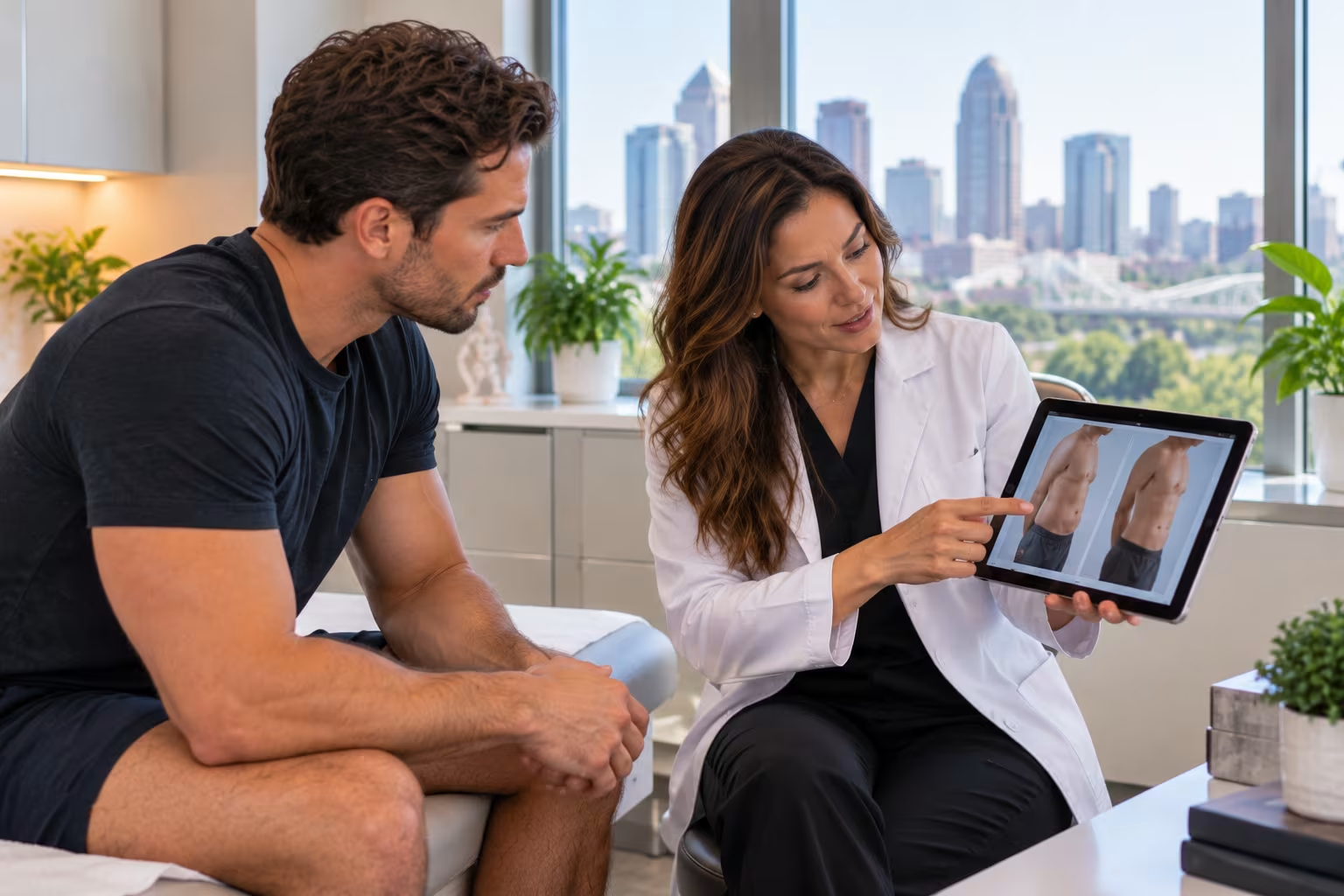
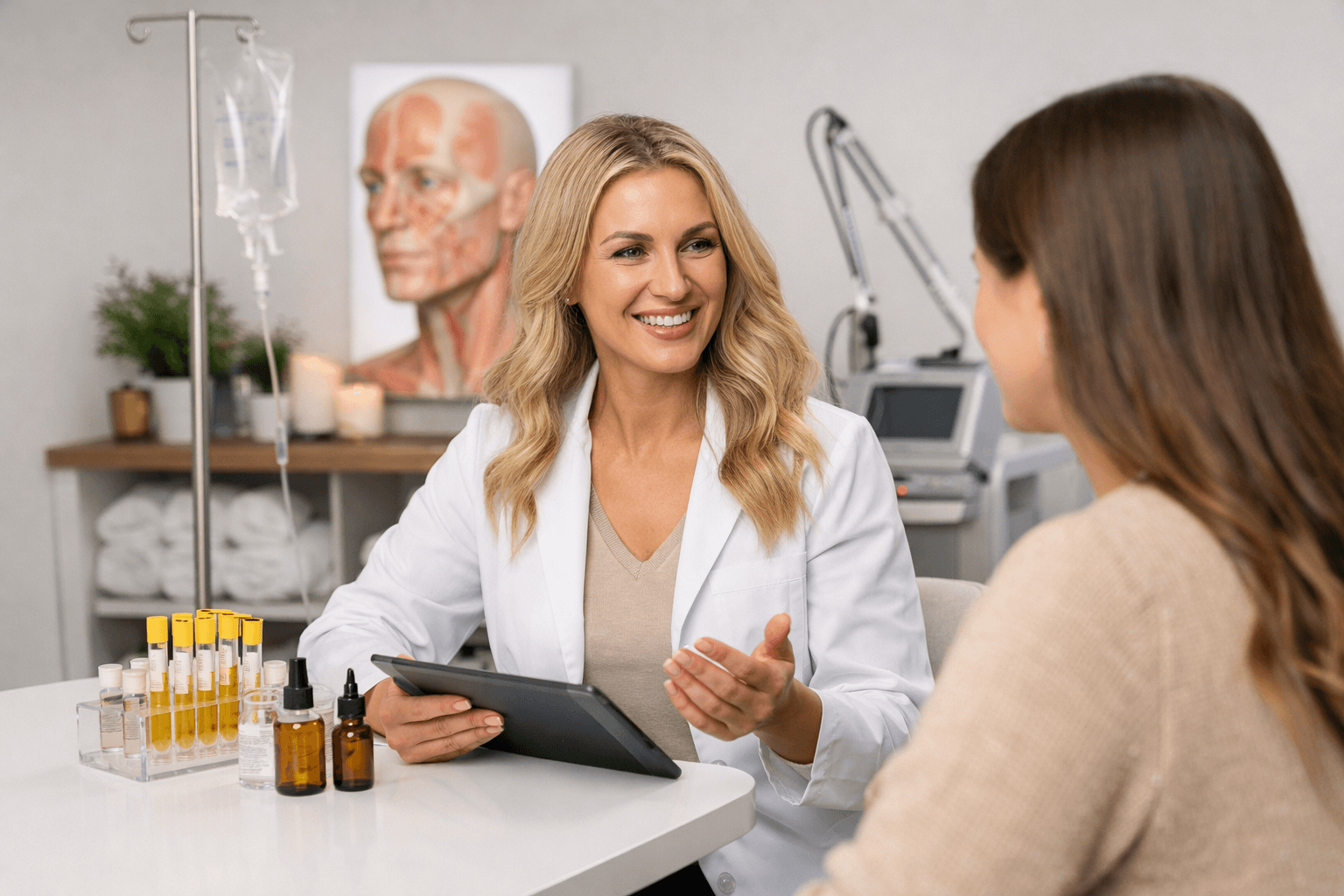
Because hair thinning can stem from so many different causes, from genetics to hormones to nutrition, a professional evaluation is the fastest way to understand what is actually happening and what will realistically help. Waiting too long can also mean working with fewer active follicles, since hair loss tends to be easier to manage in its earlier stages rather than after significant follicle loss has already occurred.
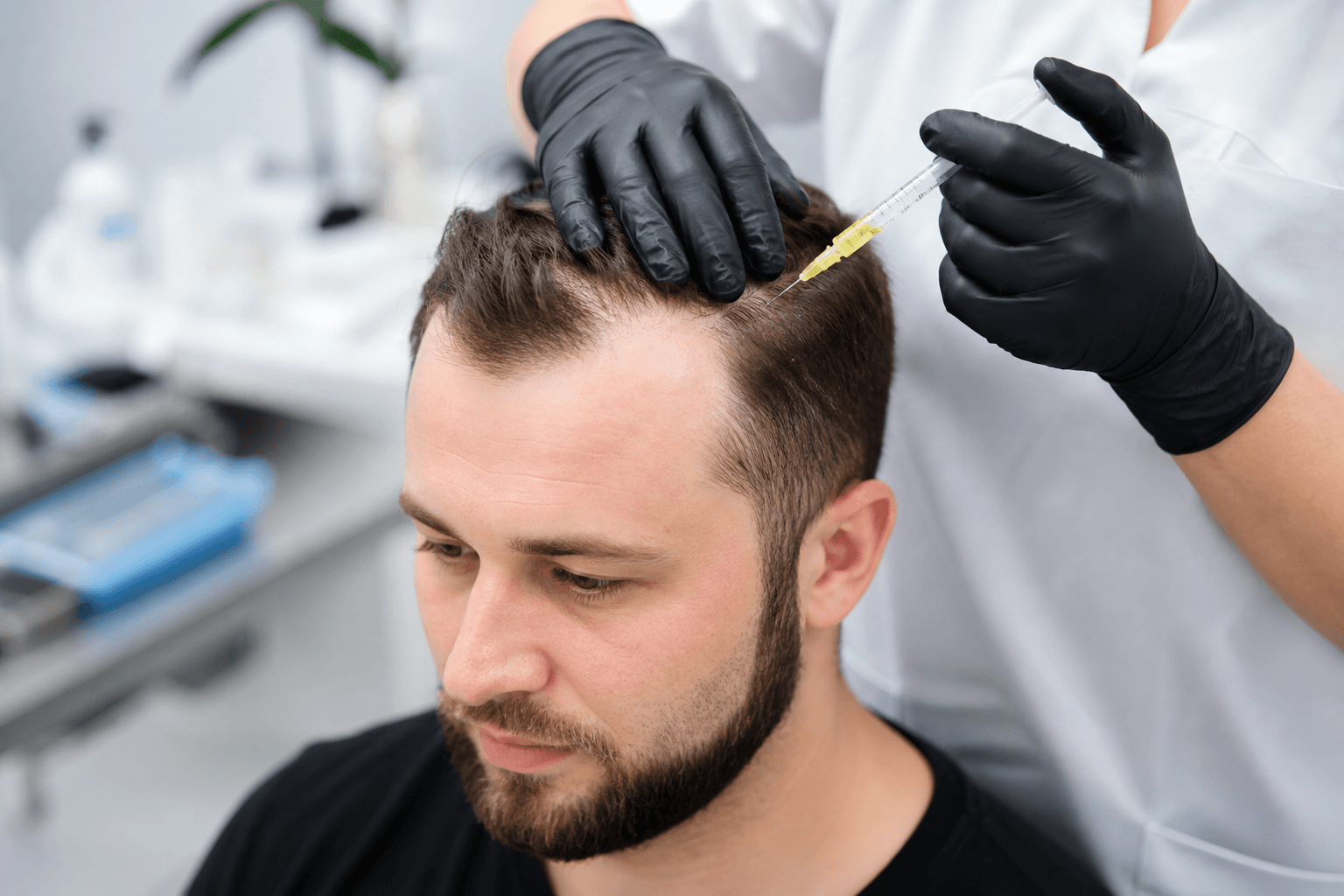
PRP stands for platelet rich plasma, a treatment that uses a concentrated portion of your own blood, processed to isolate growth factor rich platelets, which is then reintroduced into the scalp in areas of thinning. Platelets contain proteins that support tissue repair and cell growth, and when applied to the scalp, they are believed to help stimulate dormant or weakened hair follicles, encouraging thicker, healthier hair growth over time.
At Louisville Aesthetics, this treatment is offered as PRP hair restoration and as part of the broader Cellenis PRP platform, which uses advanced processing technology to maximize the concentration of platelets delivered to the scalp. Because the treatment uses your own blood, there is no risk of allergic reaction to a foreign substance, which is part of why it has become such a widely trusted option for people exploring non surgical routes to fuller looking hair.
PRP tends to work best for people in the earlier to moderate stages of thinning, where follicles are weakened but not permanently dormant. It is commonly used for pattern hair loss, postpartum shedding, and thinning related to stress or hormonal shifts. It is generally not the right fit for someone with widespread, long term bald patches where follicles are no longer active, since PRP works by stimulating existing follicles rather than creating new ones. A consultation is the best way to determine whether your specific pattern of thinning is one PRP is likely to help.
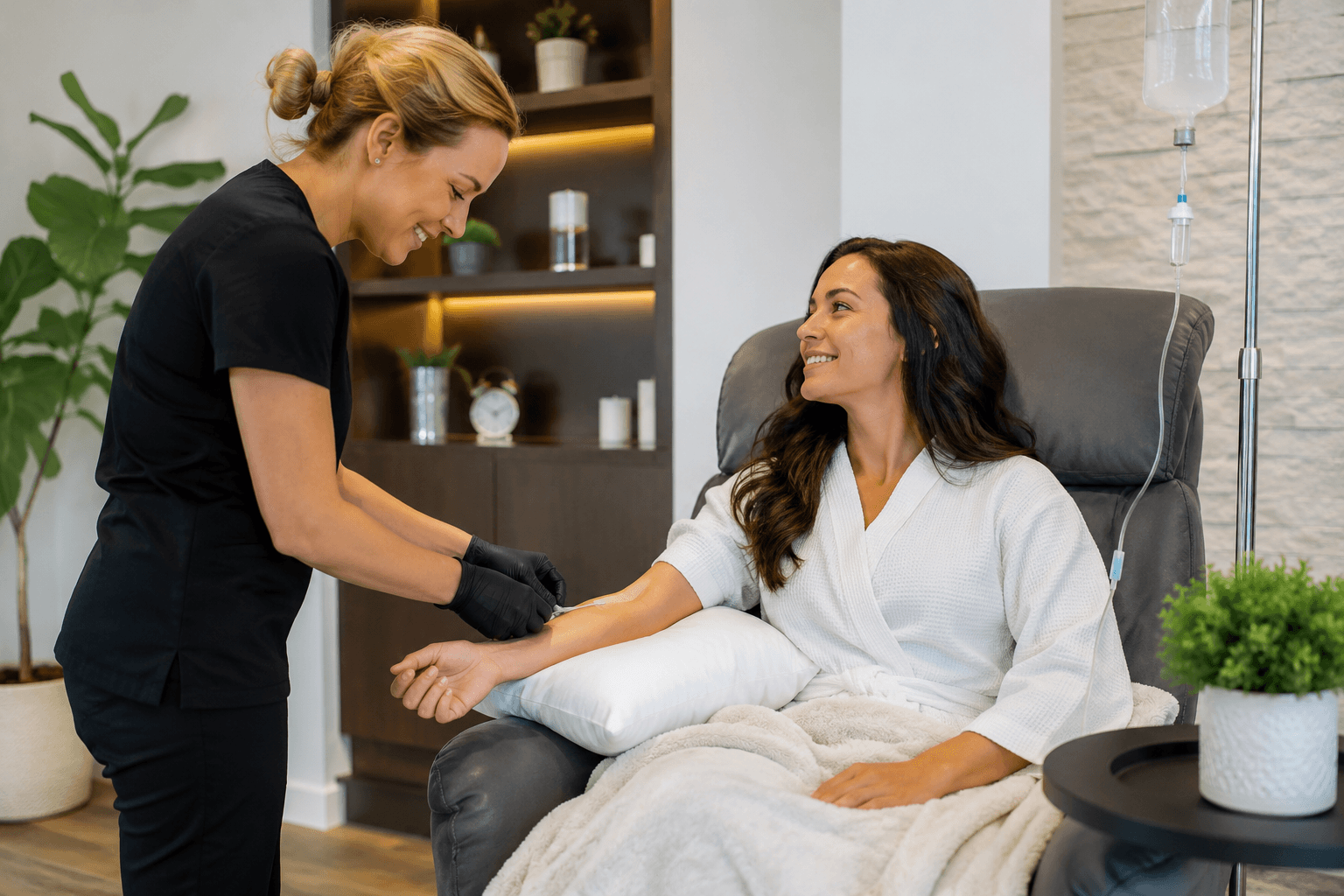
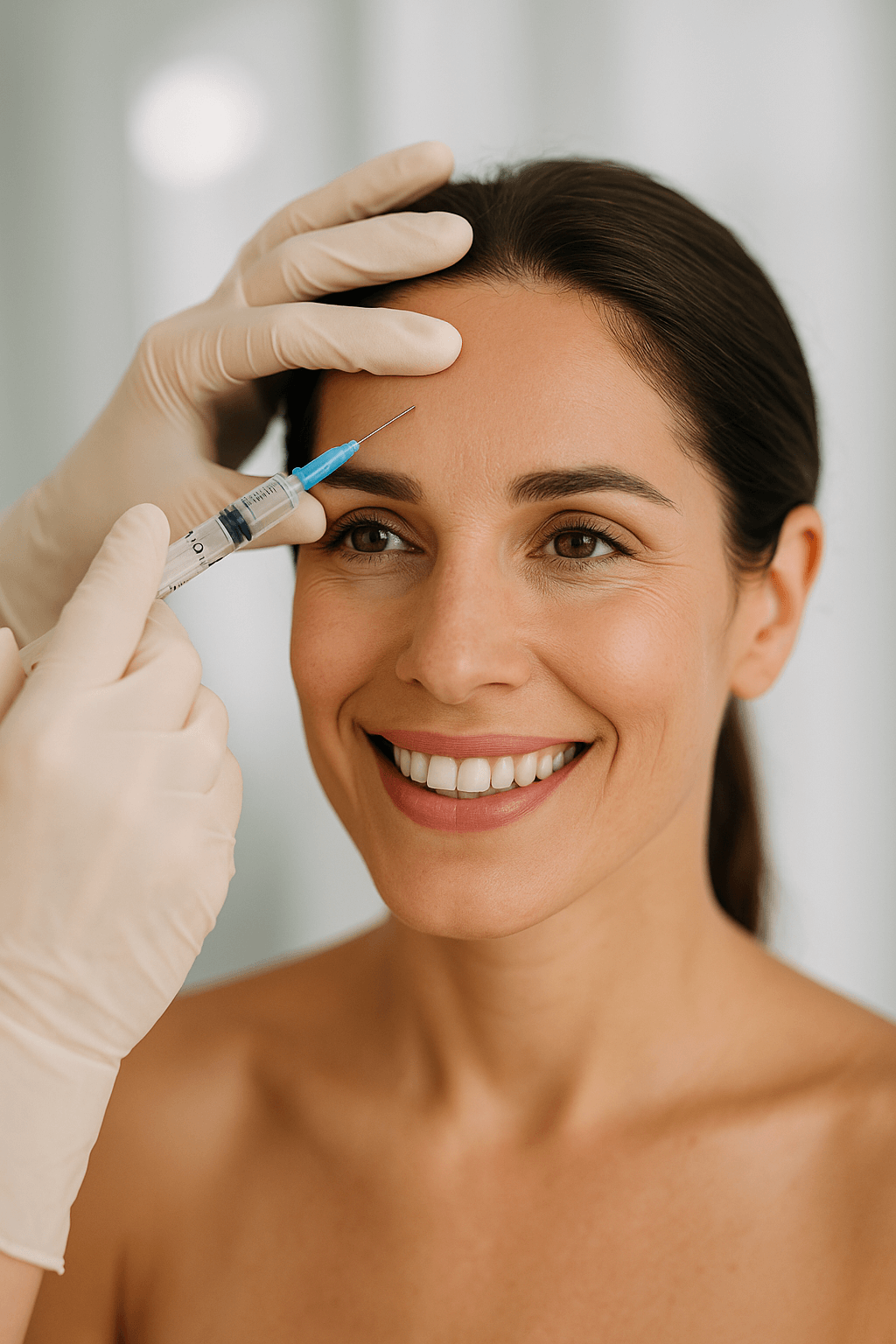
A PRP session starts with a simple blood draw, similar to routine bloodwork. The blood is then processed in a specialized device to separate and concentrate the platelet rich plasma, which is injected into targeted areas of the scalp using a fine needle. Most sessions take under an hour, and there is little to no downtime afterward. Mild scalp tenderness or slight redness at injection sites is common for a day or two, but most people return to normal activities immediately.
Hair growth is a gradual process, so PRP is typically recommended as a series of treatments, often spaced about a month apart initially, followed by maintenance sessions every few months. Most clients begin noticing reduced shedding and improved thickness within a few months, with more visible density changes appearing over the course of the full treatment series. Because everyone's hair cycle and underlying cause of thinning differs, your provider can walk you through a realistic timeline based on your specific situation.
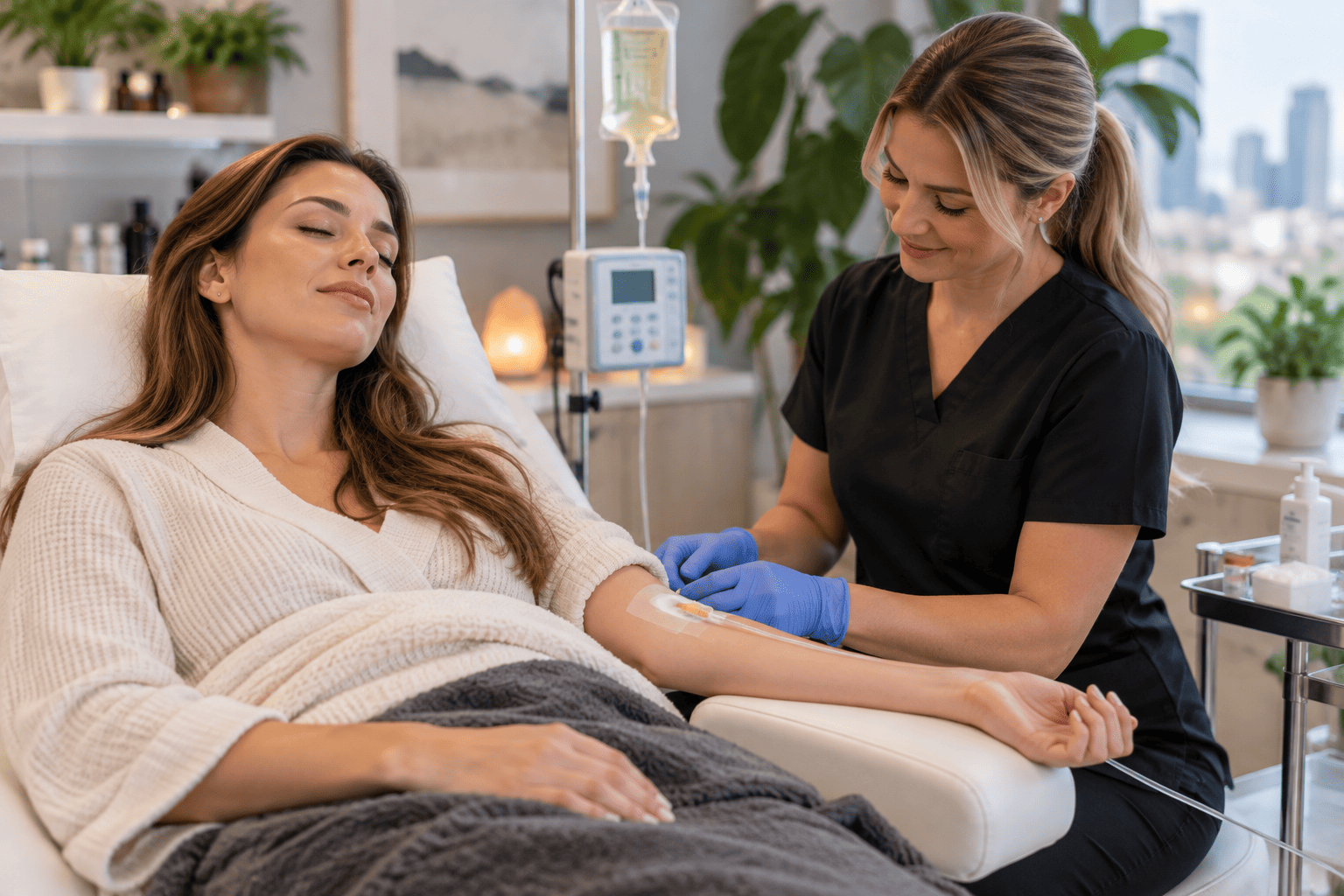
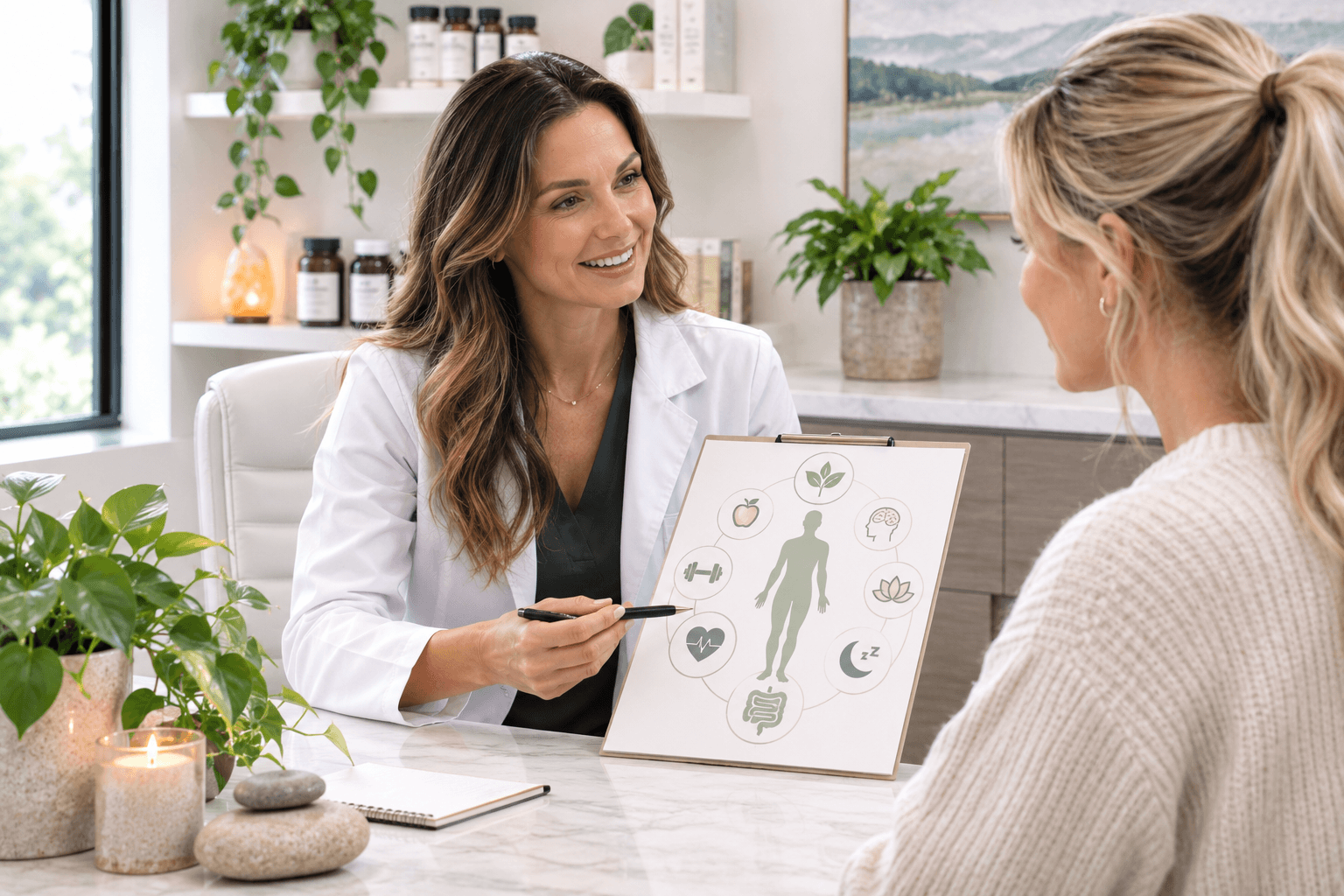
For some clients, PRP works especially well alongside broader wellness support. If thinning is connected to hormonal imbalance, a hormone replacement therapy evaluation can help identify whether hormone levels are playing a role. Nutritional gaps can sometimes be addressed through IV fluid therapy or a broader look at wellness through an in depth functional health evaluation, since hair health is often a reflection of what is happening throughout the rest of the body.
Thinning hair does not have to be something you just live with. Whether your concern is early pattern thinning, postpartum shedding, or a general sense that your hair is not what it used to be, understanding the cause is the first real step toward doing something about it. The team at Louisville Aesthetics offers PRP hair restoration louisville clients have come to rely on, backed by a thoughtful consultation process that looks at the full picture. Browse the complete list of services or reach out through the contact page to schedule your evaluation.
Can stress really cause hair loss? Yes. Significant physical or emotional stress can push hair follicles into a resting phase earlier than usual, leading to noticeable shedding a few months later, a pattern known as telogen effluvium.
Is PRP hair restoration painful? Most clients describe mild discomfort during the scalp injections, similar to small pinpricks, and it is generally well tolerated without the need for extensive numbing.
How long do PRP hair restoration results last? Results vary, but many clients maintain their improvements with periodic maintenance sessions every few months after the initial treatment series.
Can women benefit from PRP hair restoration Louisville treatments as much as men? Yes. PRP is commonly used for both male and female pattern hair loss, as well as postpartum and stress related shedding in women.
Will my insurance cover PRP hair restoration? PRP for hair restoration is generally considered a cosmetic treatment and is typically not covered by insurance, though your provider can walk you through pricing during a consultation.
This guide was updated in August 2026 to reflect current hair restoration options and guidance for Louisville, Kentucky residents.






.png)
.png)













.png)












.jpg)


