


Ask five people what wellness means and you'll probably get five different answers. For some, it's about diet and exercise. For others, it's more about mental health, sleep, or simply feeling like themselves again. The truth is that real wellness touches all of these areas at once, and it often comes down to how well your body's internal systems, especially hormones, are actually functioning.
In Louisville, more people are starting to look at wellness through this wider lens, moving past generic advice to eat better and move more, and instead asking what's actually going on beneath the surface. Updated this month, here's a more complete picture of what wellness really involves.
A common misconception is that wellness simply means not being sick. In reality, wellness is a much broader, more active state, encompassing energy levels, mental clarity, sleep quality, hormone balance, and how well your body recovers from everyday stress. You can technically be free of any diagnosed condition and still feel far from your best. That gap is exactly where a lot of people start their wellness journey.
Hormones influence nearly every system in the body, from metabolism and energy to mood and sleep quality. When hormones fall out of balance, whether due to age, stress, or other factors, it often shows up as a cluster of symptoms that can be easy to dismiss individually: feeling tired despite sleeping enough, struggling to lose weight, or noticing mood shifts that seem to come out of nowhere.
A comprehensive wellness and hormone evaluation looks at these levels in detail, helping identify whether hormone imbalance is contributing to how you feel. From there, options like hormone replacement therapy can be considered as part of a broader wellness plan.
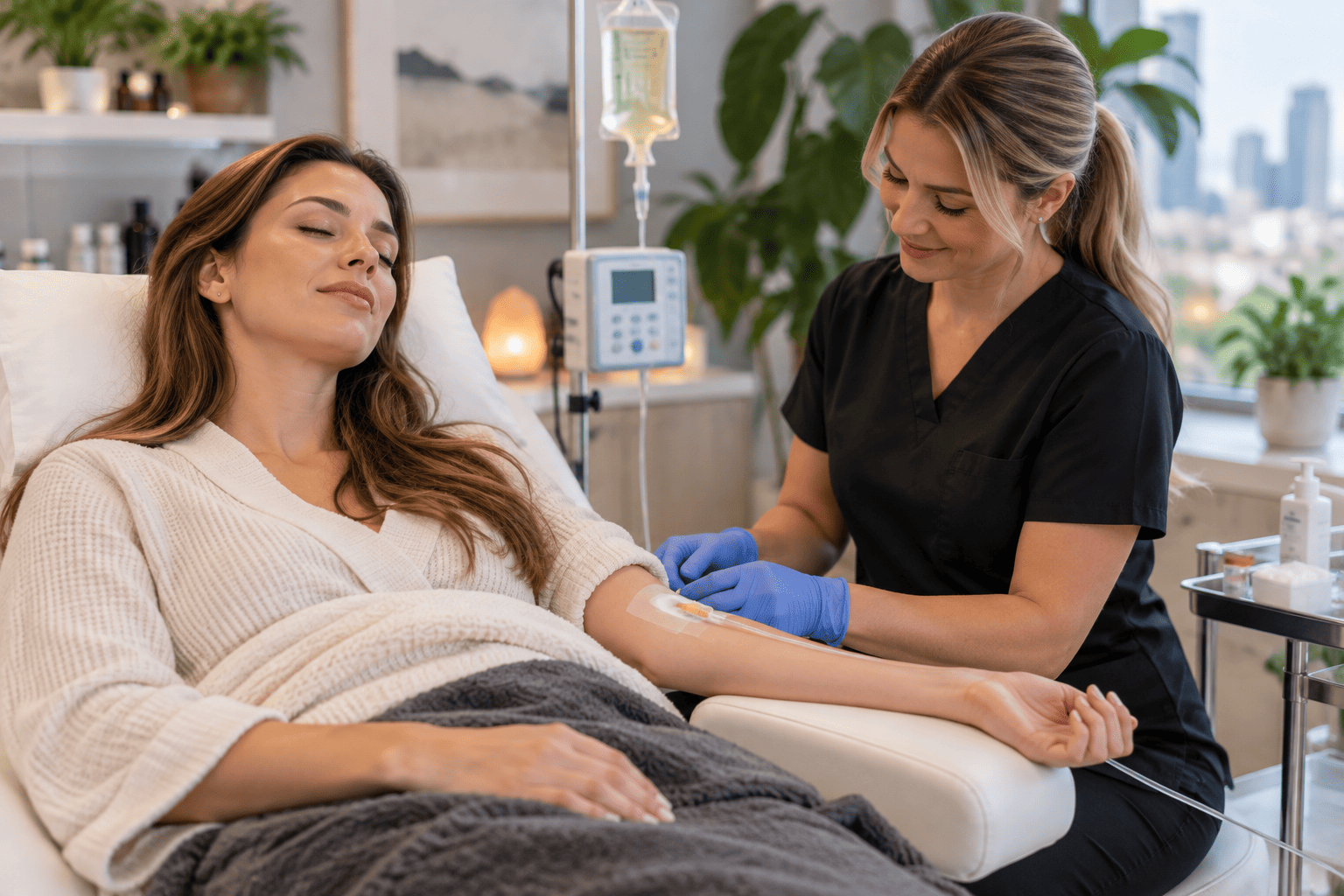
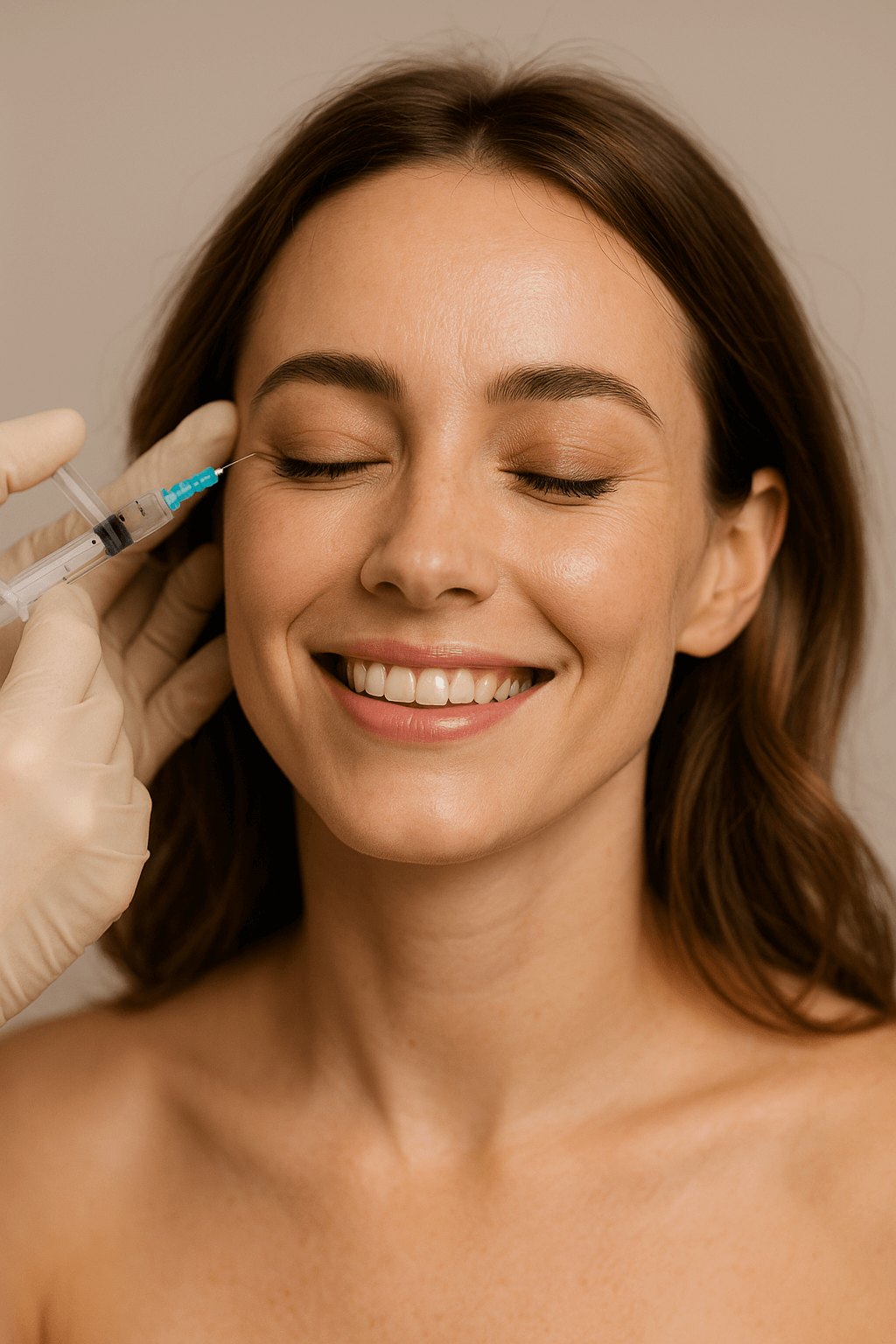
IV infusion therapy delivers vitamins, minerals, and fluids directly into the bloodstream, allowing for more complete absorption than oral supplements alone. For people dealing with fatigue, dehydration, or a general sense of being run down, IV therapy can offer a more immediate boost in how they feel, while also supporting longer-term wellness goals like immune function and recovery.
This isn't meant to replace a healthy diet, but it can serve as a helpful supplement, particularly for people with demanding schedules or increased physical activity who need more targeted support.
If you're wondering whether you need a wellness evaluation, it typically starts with an in-depth conversation about your symptoms, lifestyle, and health history, followed by detailed lab testing. This might include hormone panels, nutrient levels, and other relevant markers depending on your specific concerns.
The goal isn't just to check a box on an annual physical. It's to build a clear, individualized picture of what your body needs, which then shapes a personalized plan rather than generic advice.
A few common signs that it might be worth exploring further include:
If any of these sound familiar, a wellness evaluation can help identify whether an underlying factor, like hormone imbalance, is playing a role.
One of the most important shifts in how people think about wellness is recognizing that it's ongoing, not a single treatment or appointment. Hormone levels change, stress levels fluctuate, and lifestyle demands shift over time, which means wellness often benefits from periodic check-ins rather than a one-and-done approach.
This is part of why many people incorporate regular IV therapy sessions, periodic hormone evaluations, or ongoing lifestyle adjustments into their routine rather than treating wellness as something to fix once and forget about.
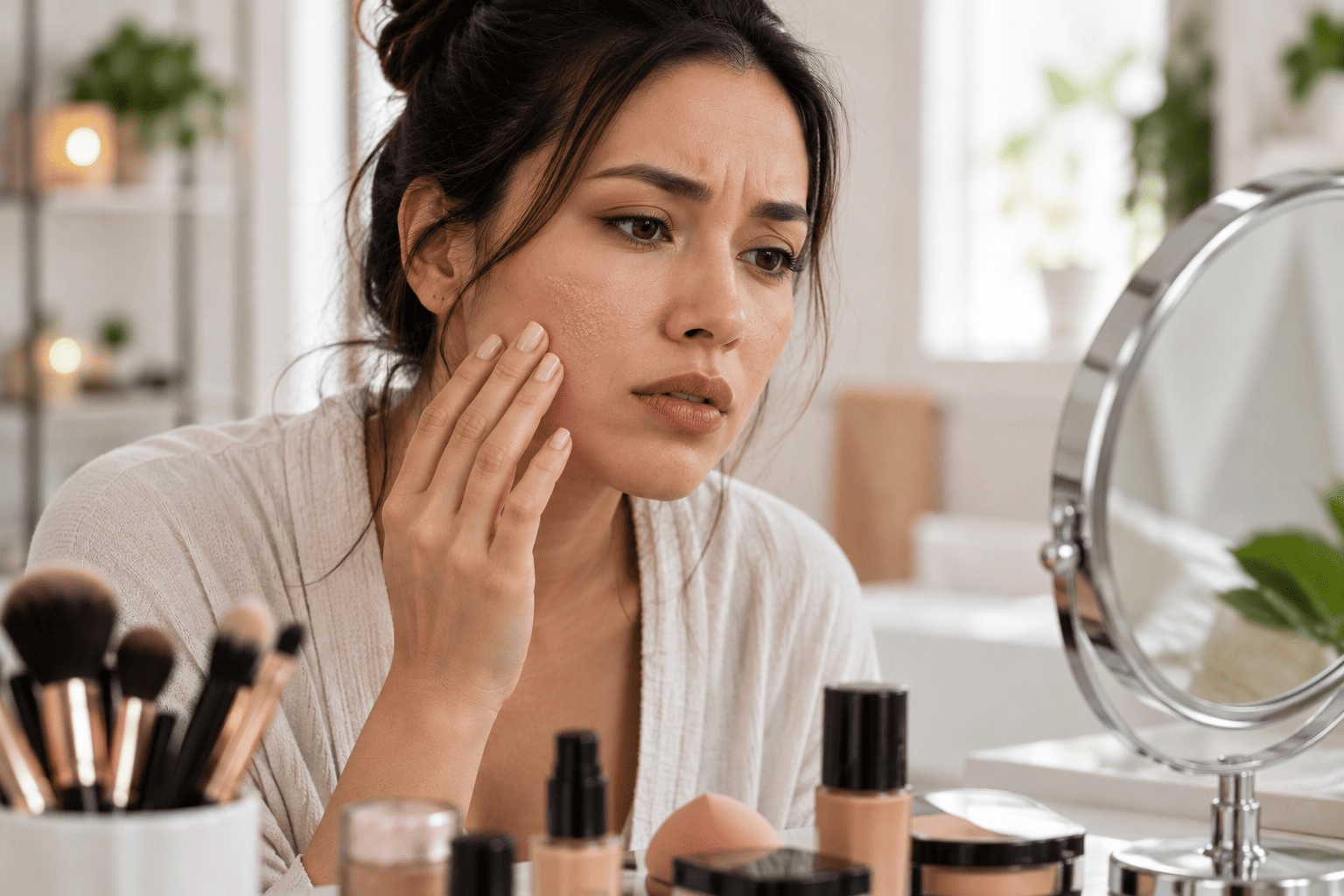
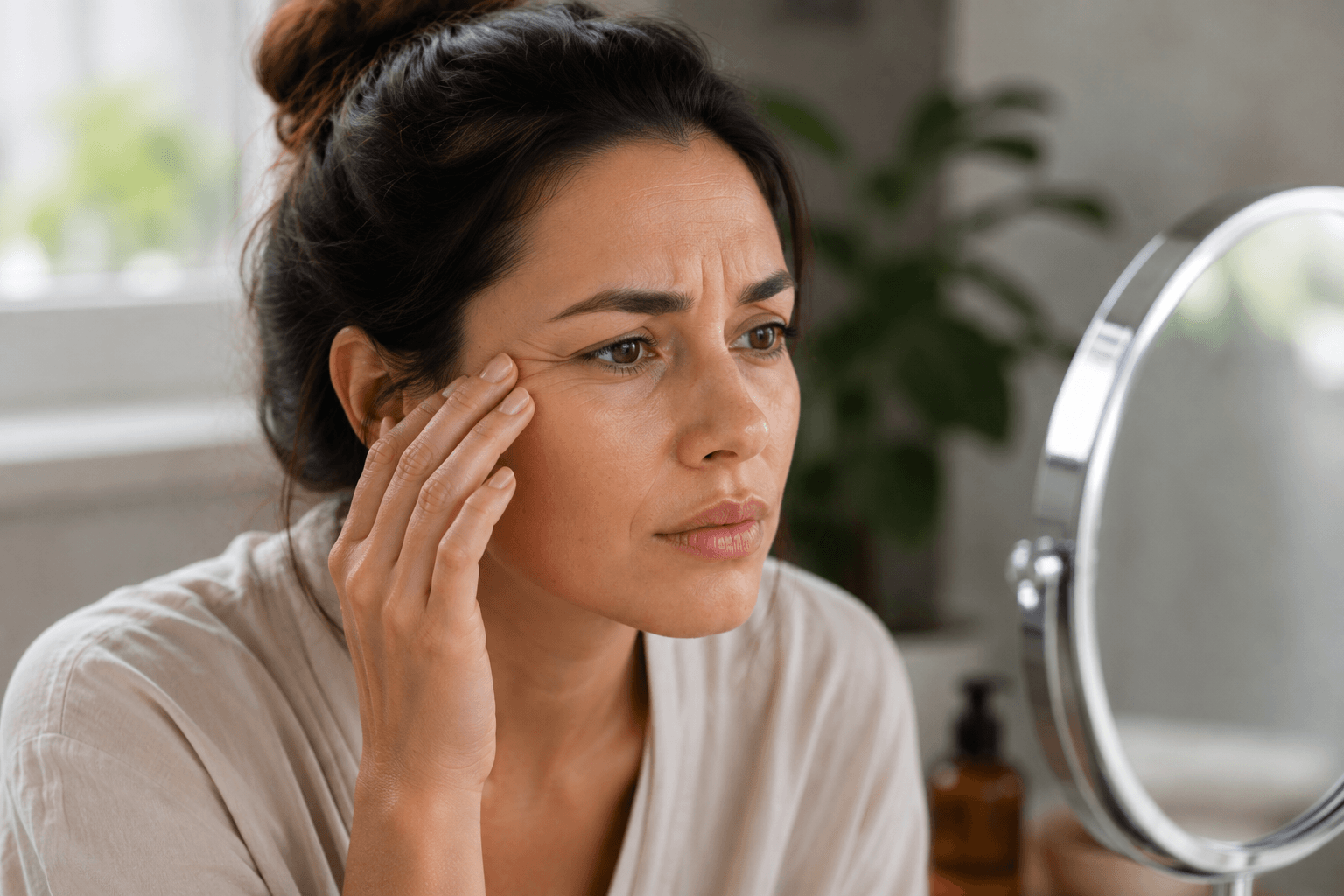
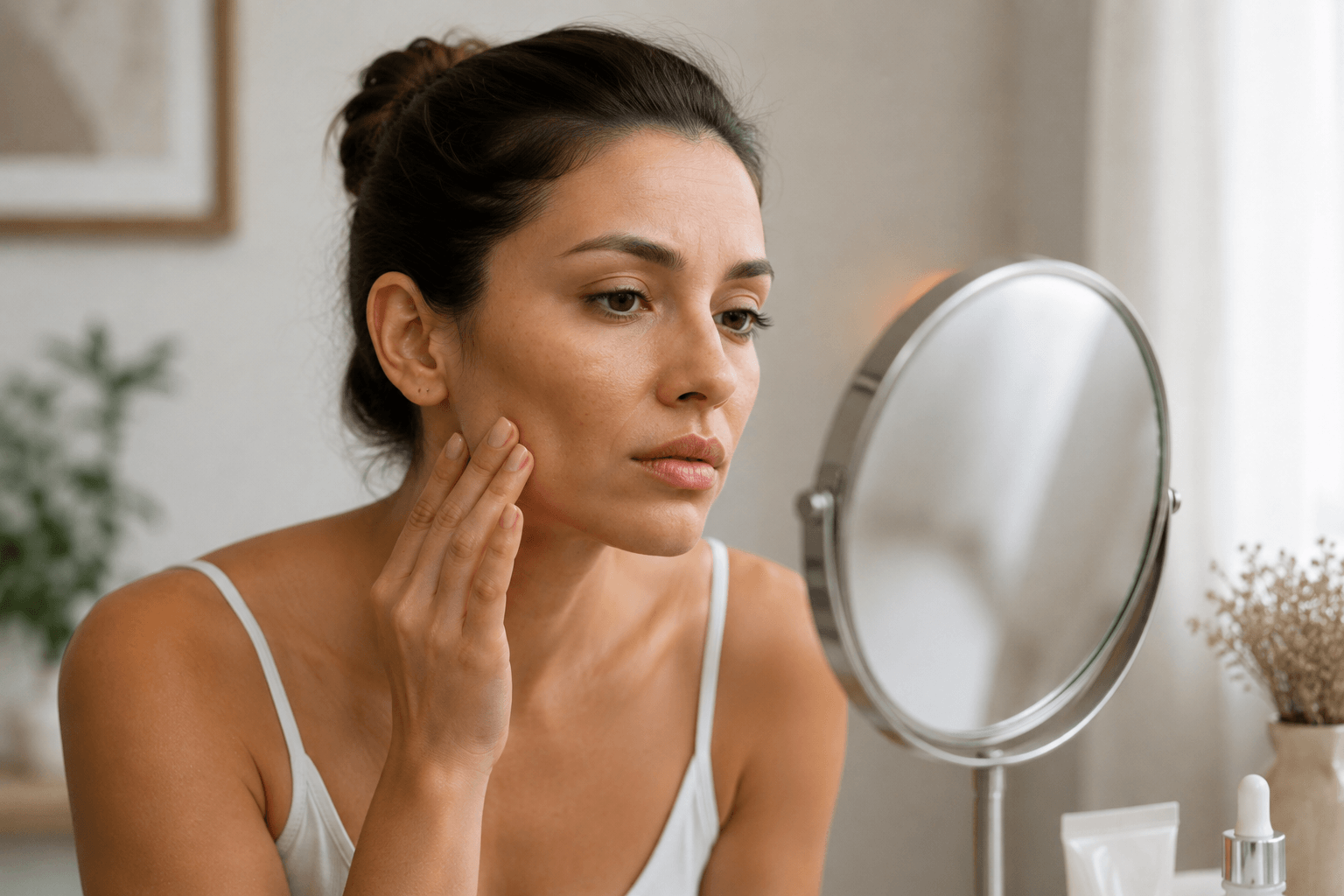
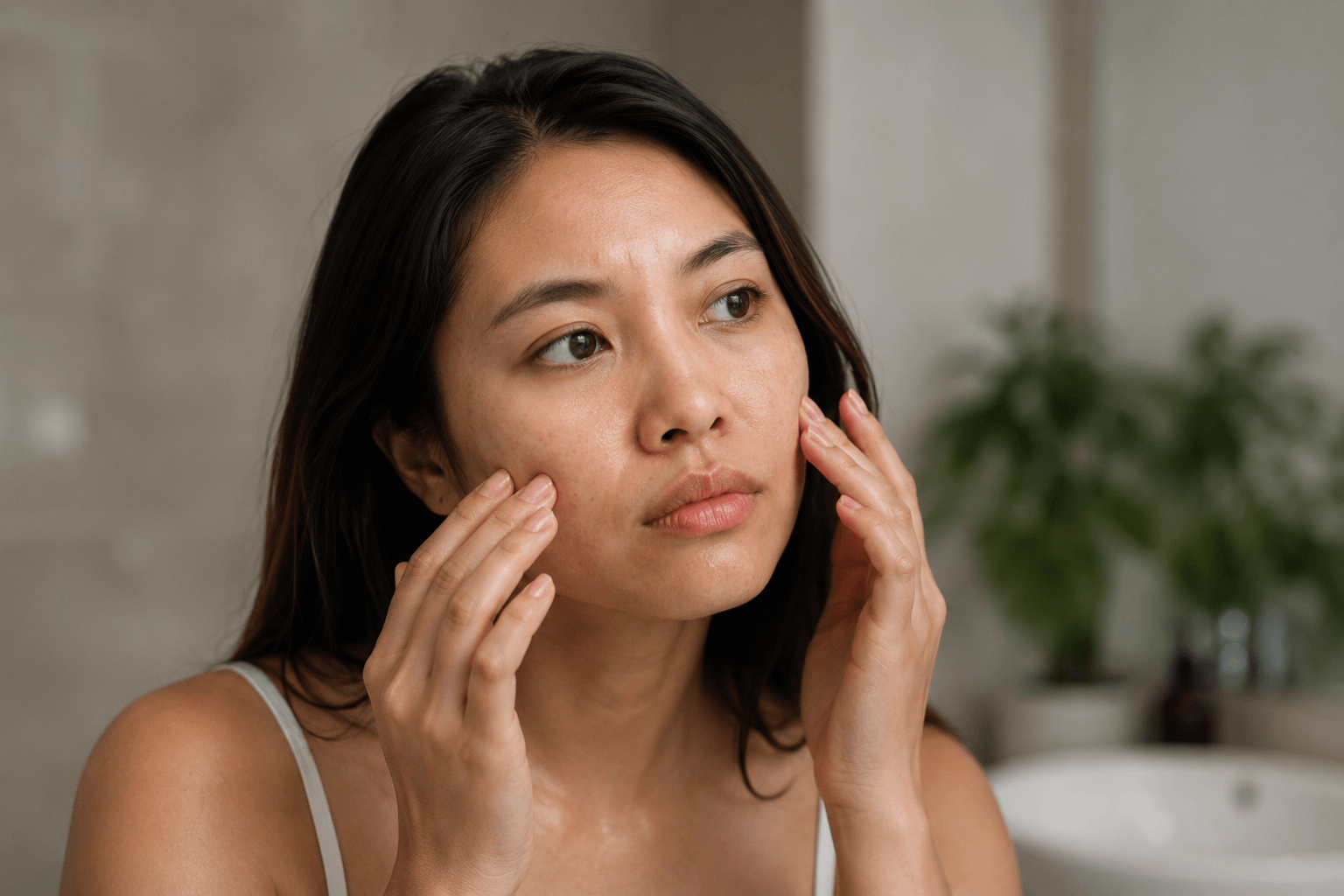
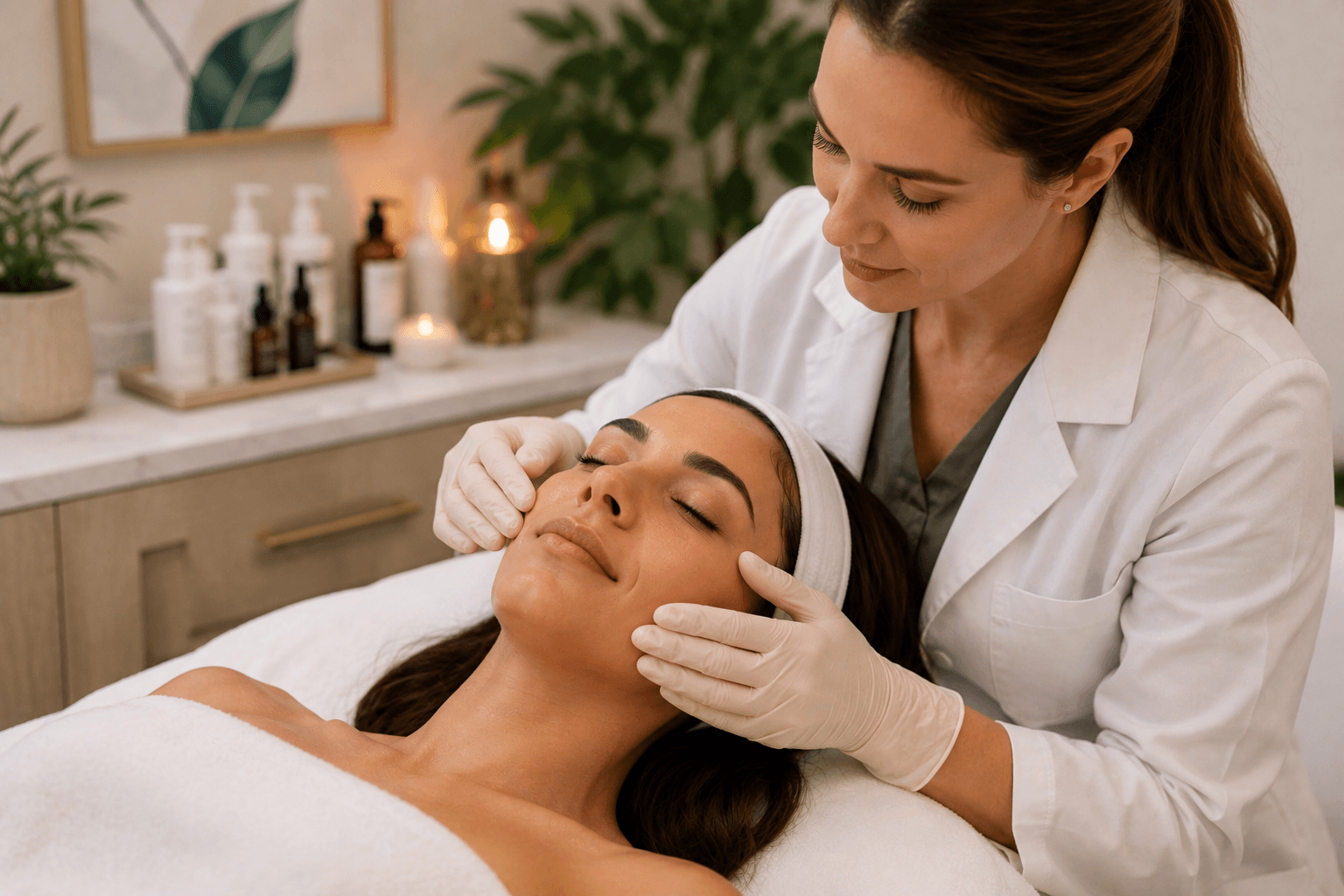
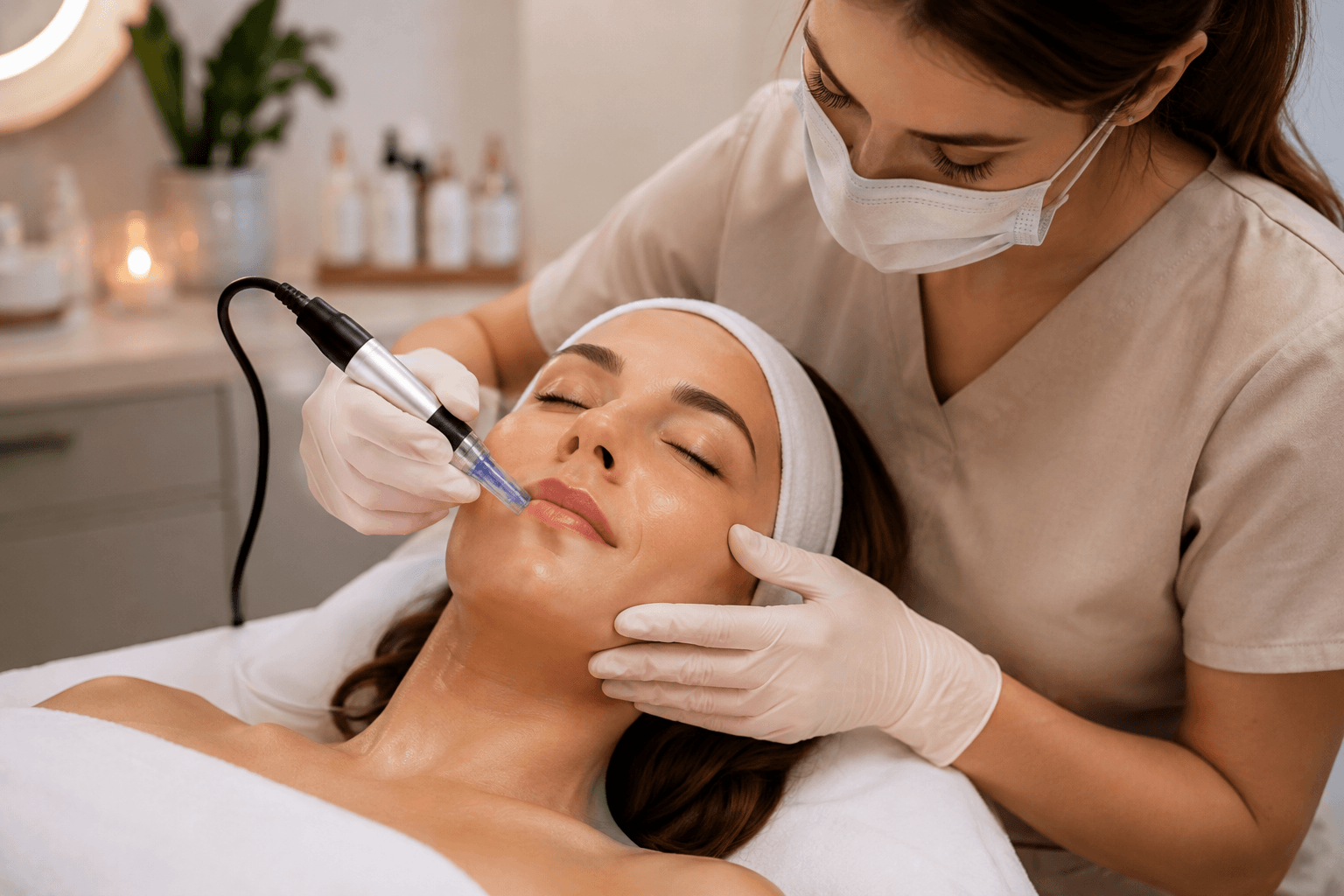
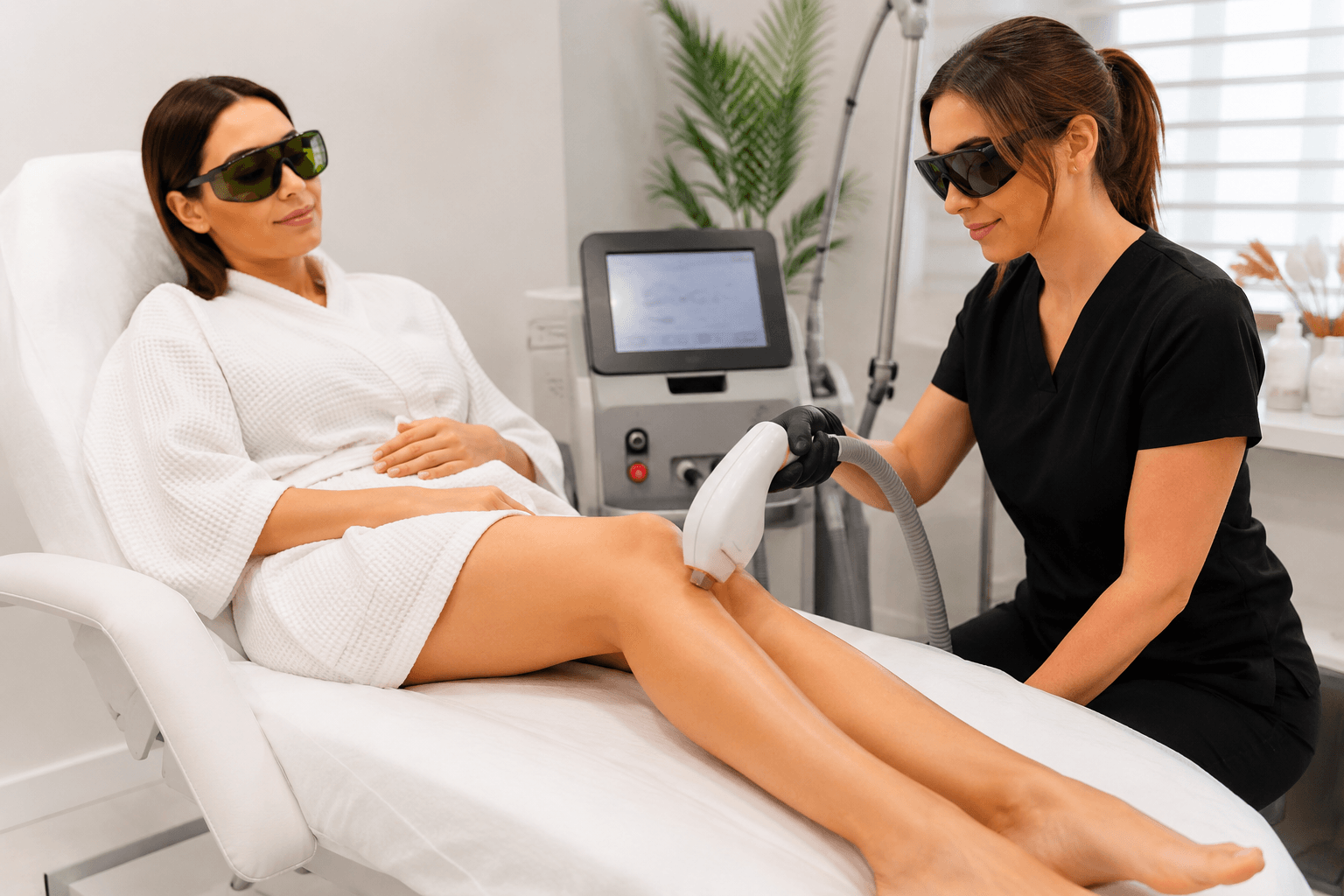
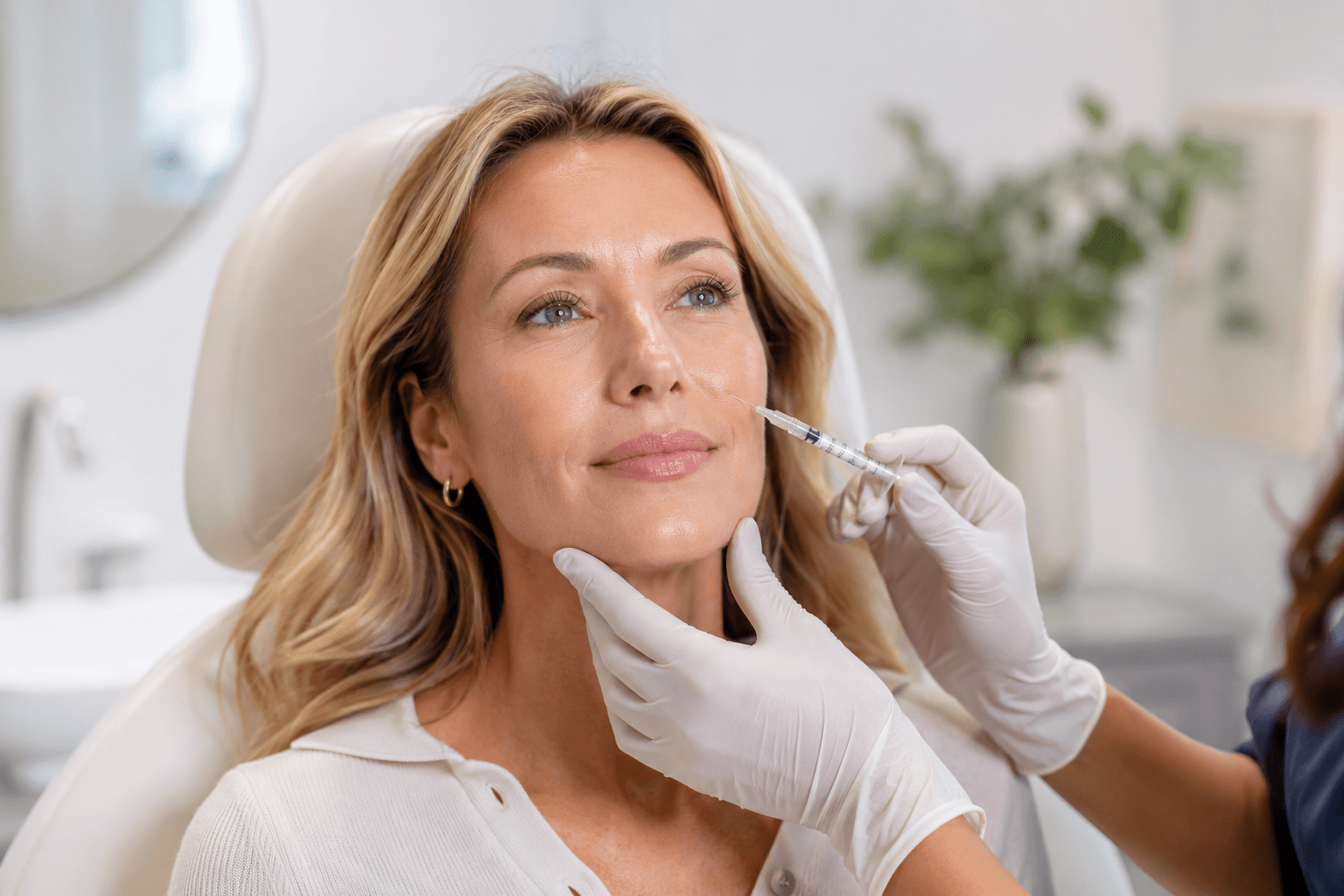
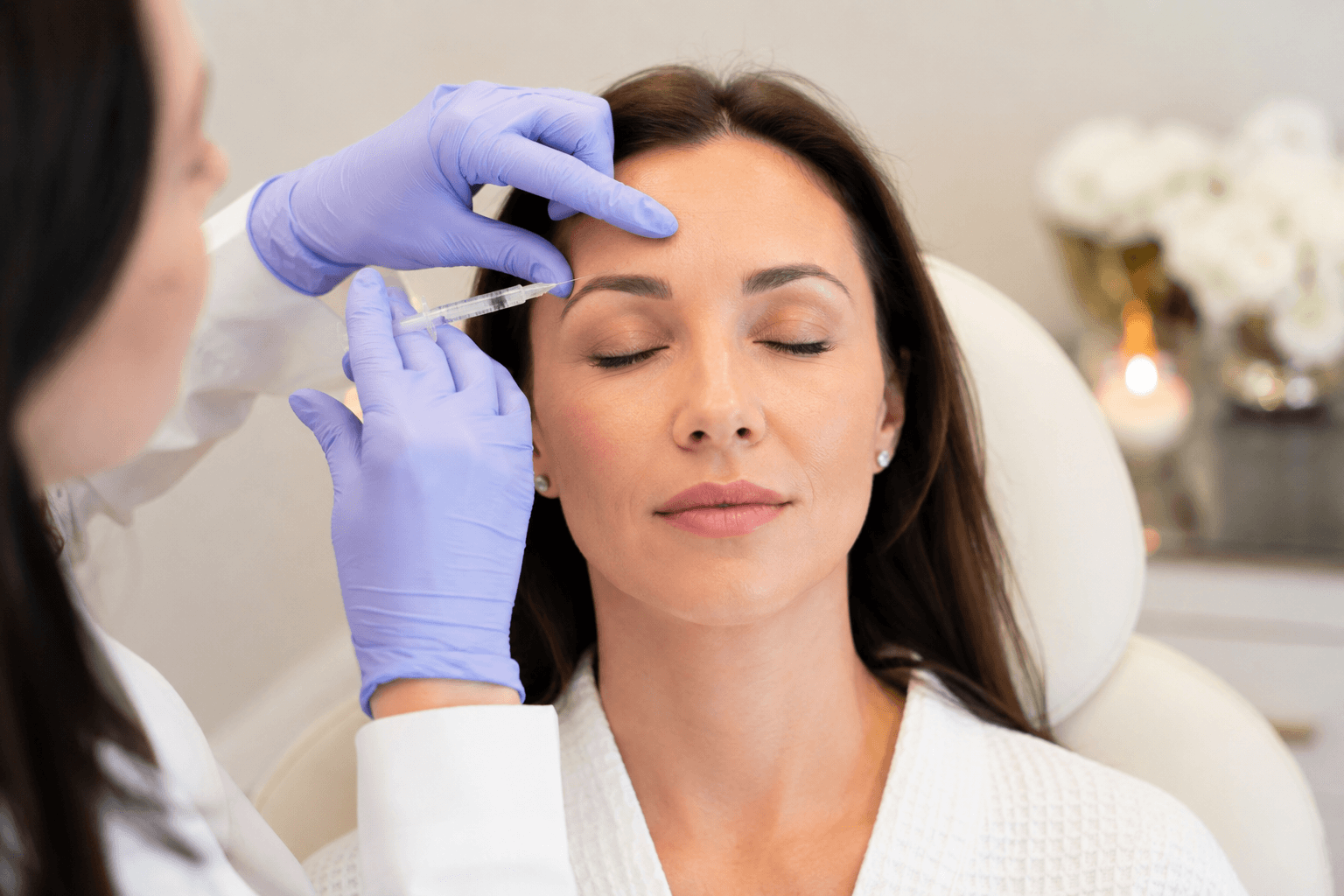
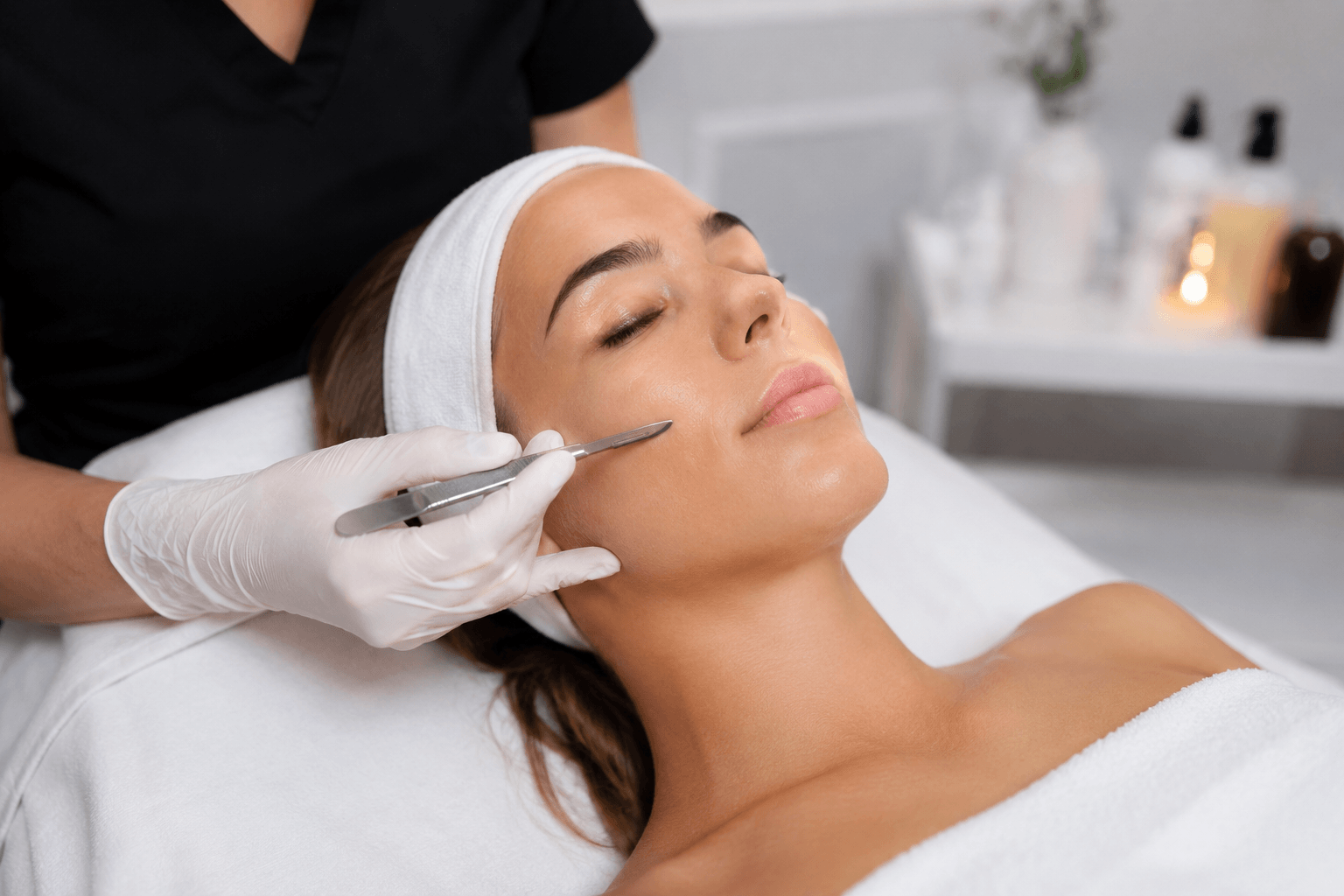
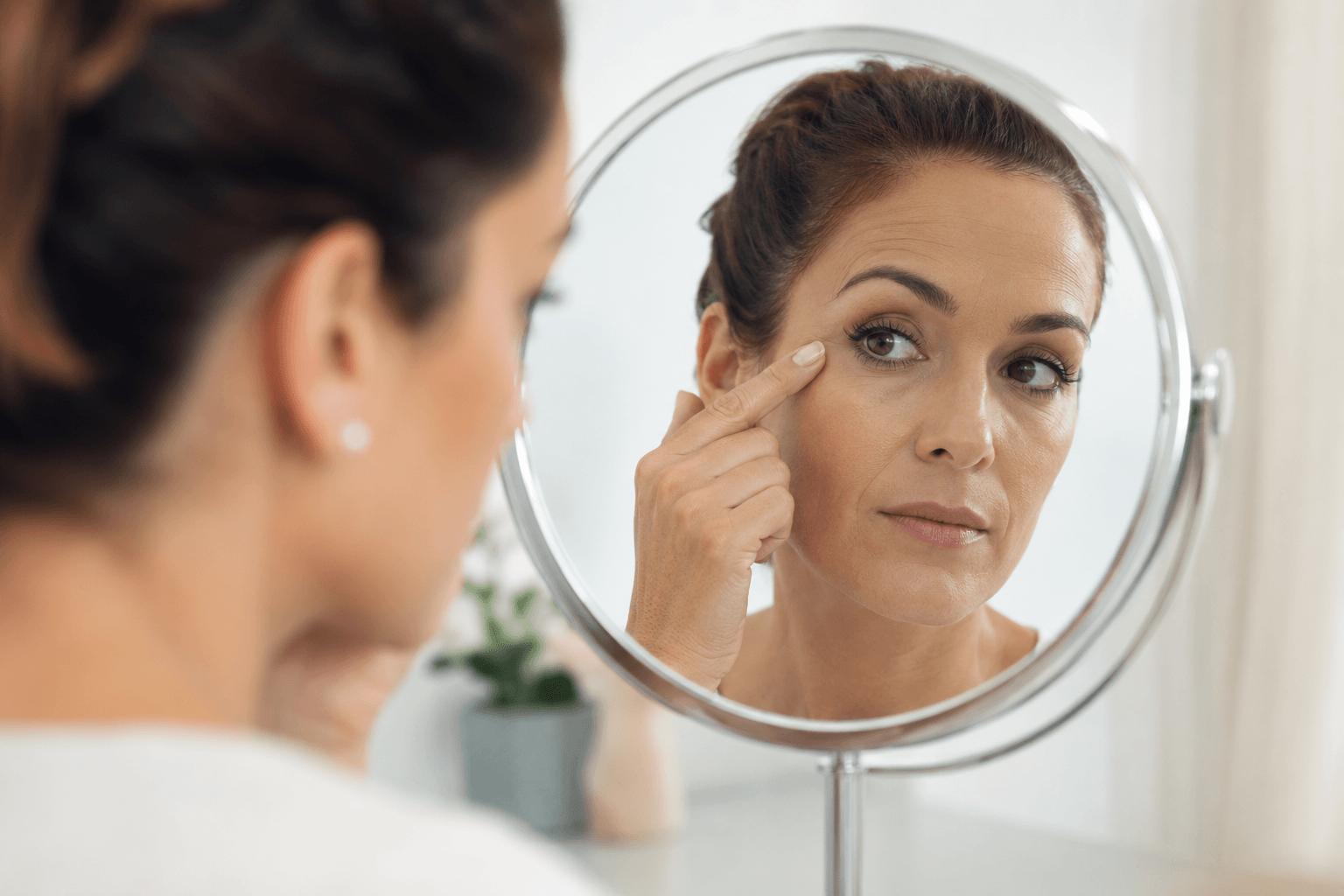
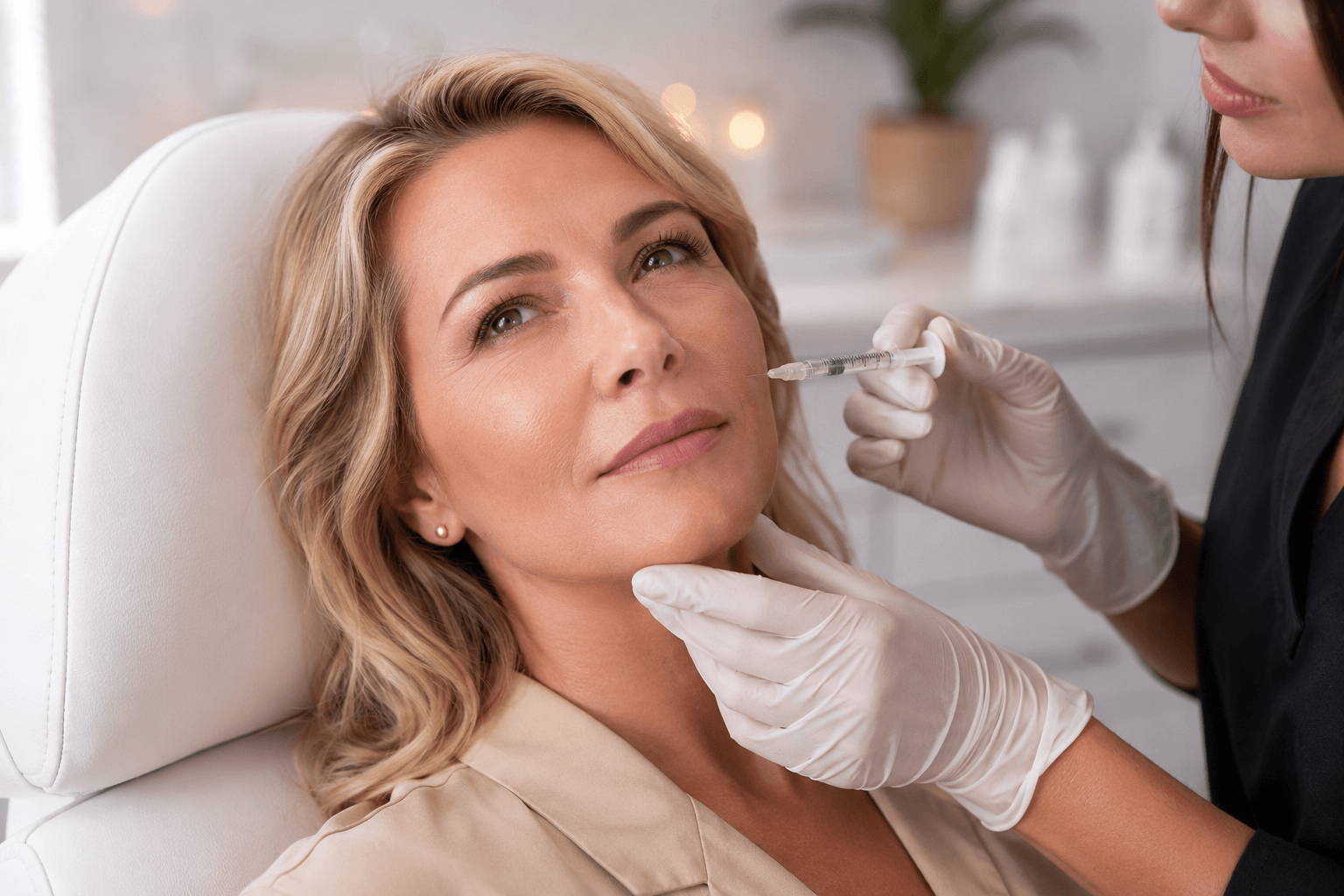
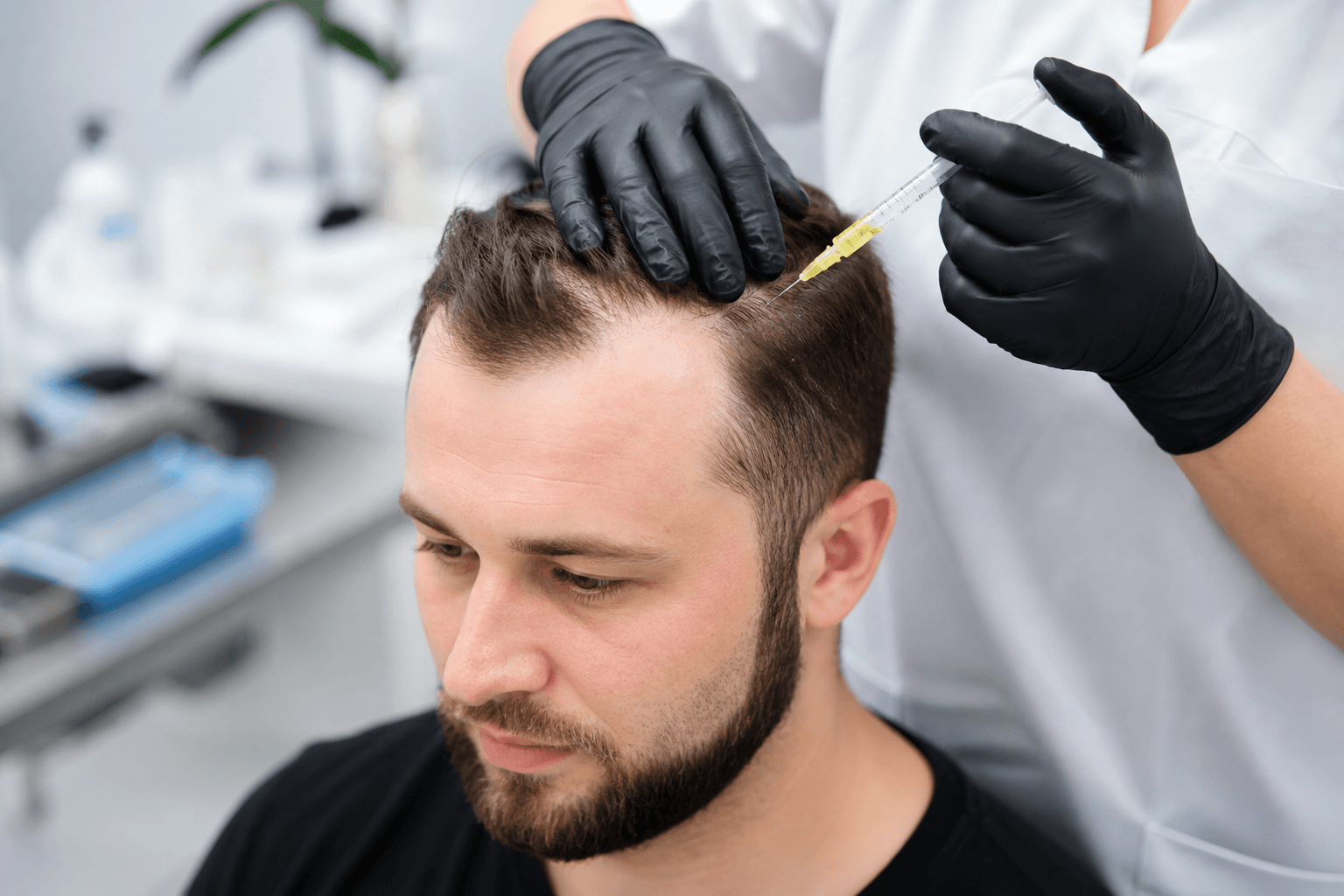
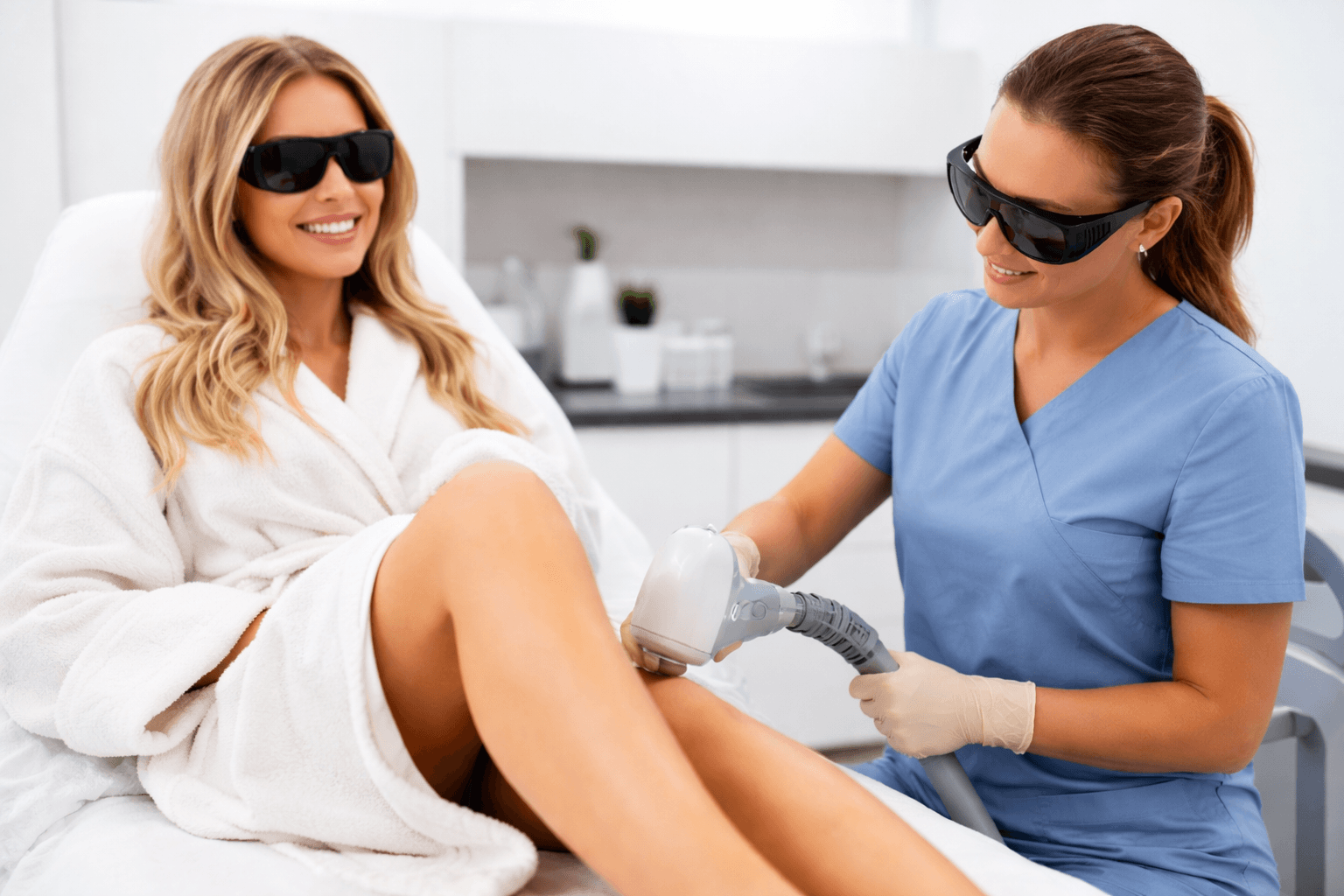
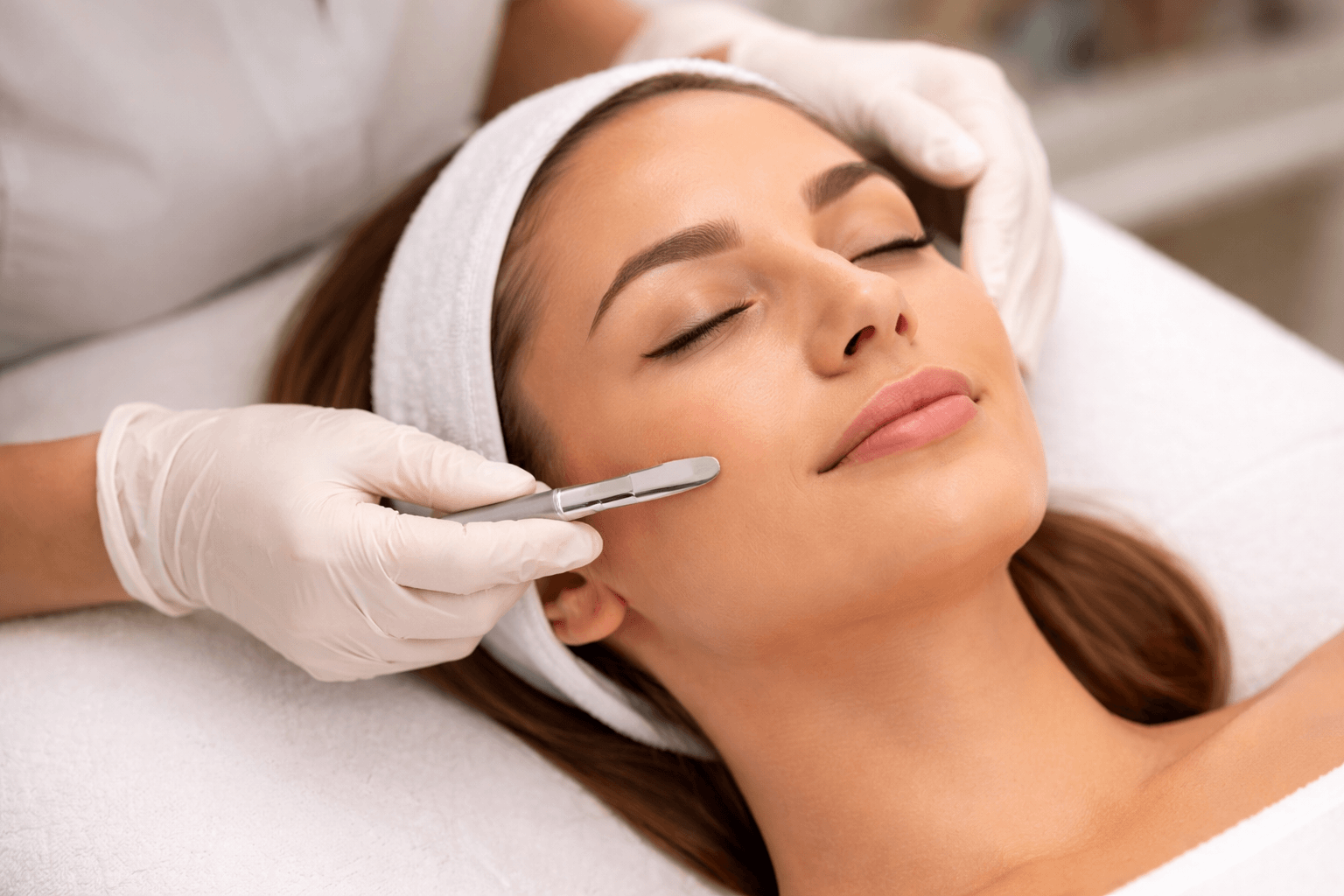
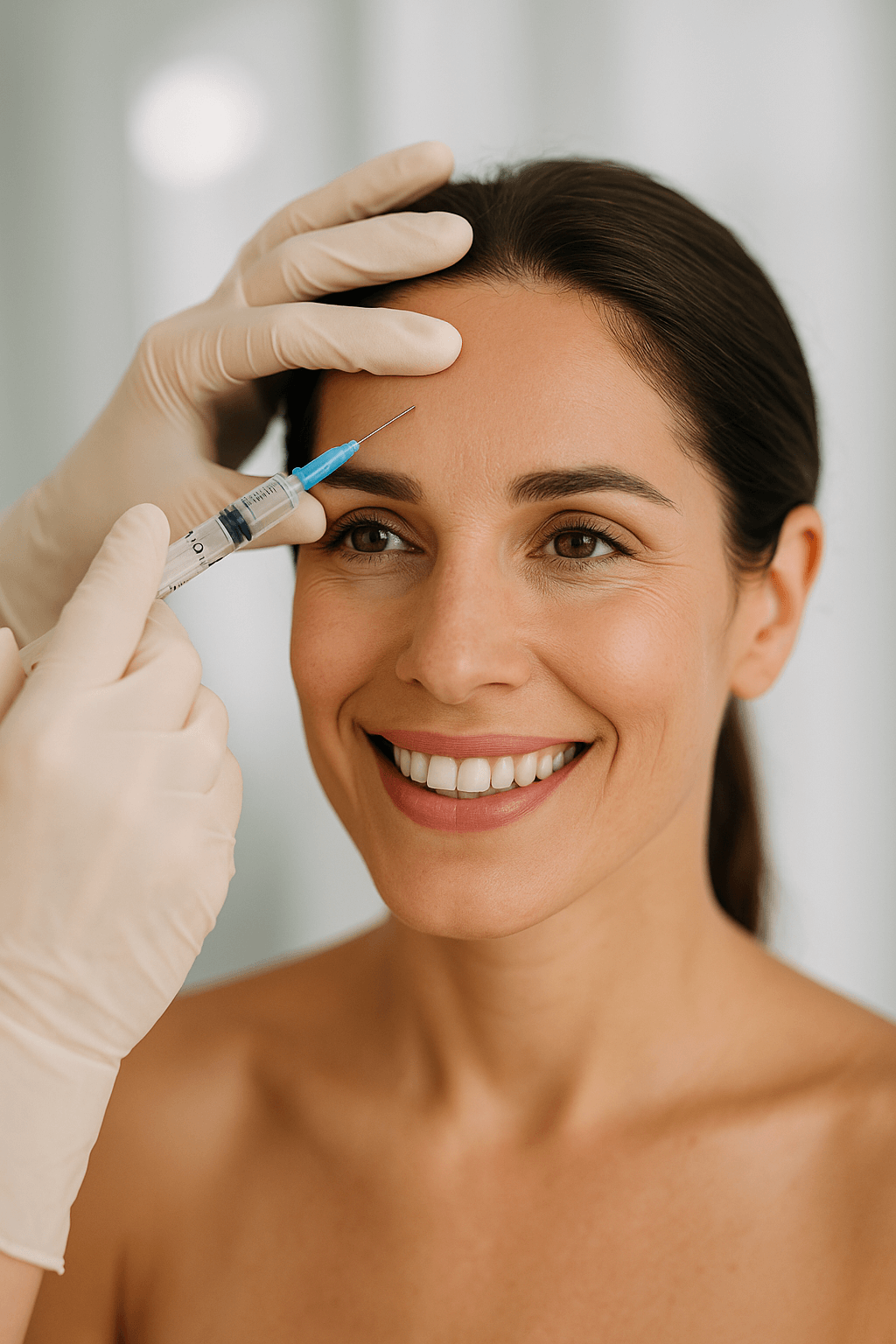
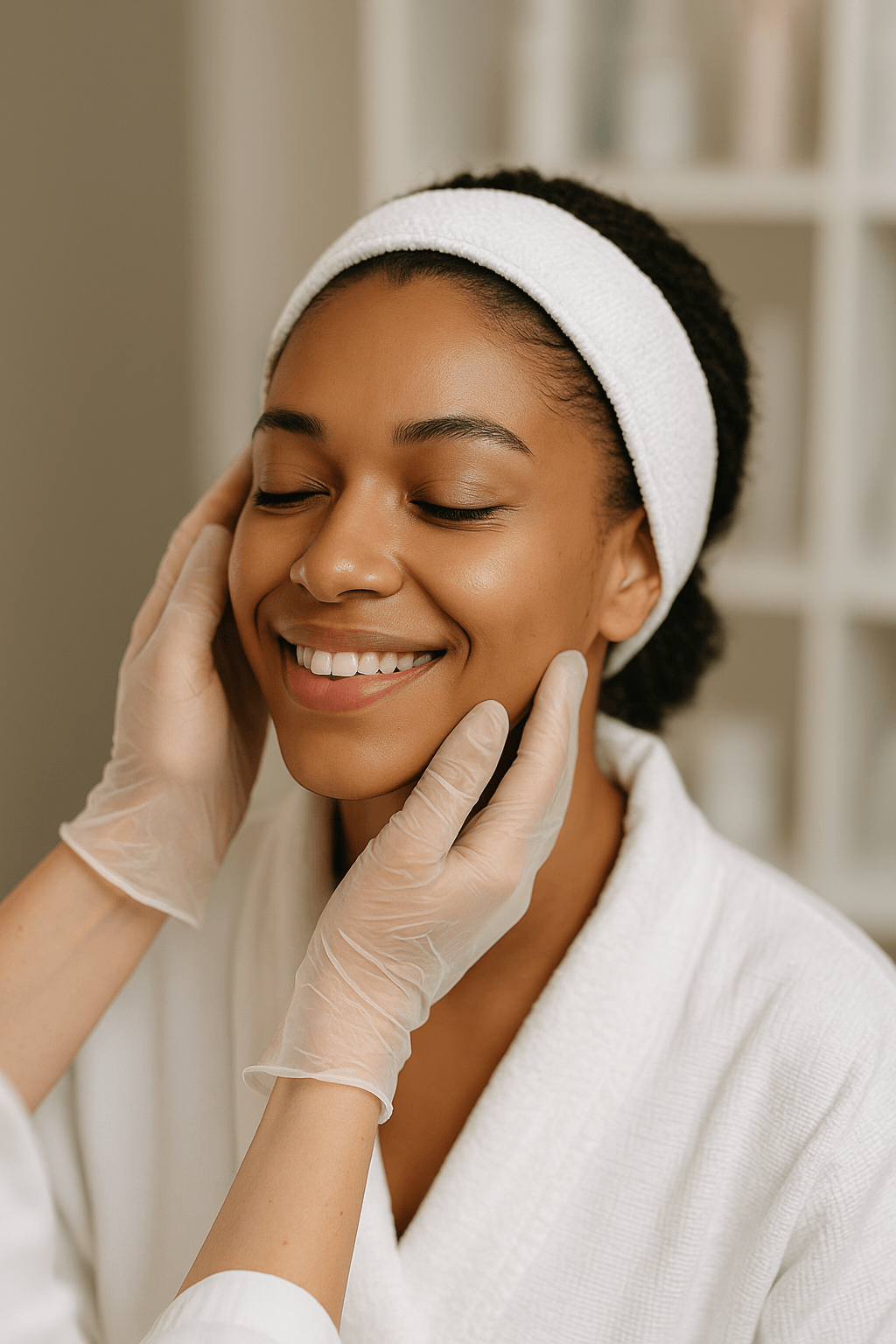
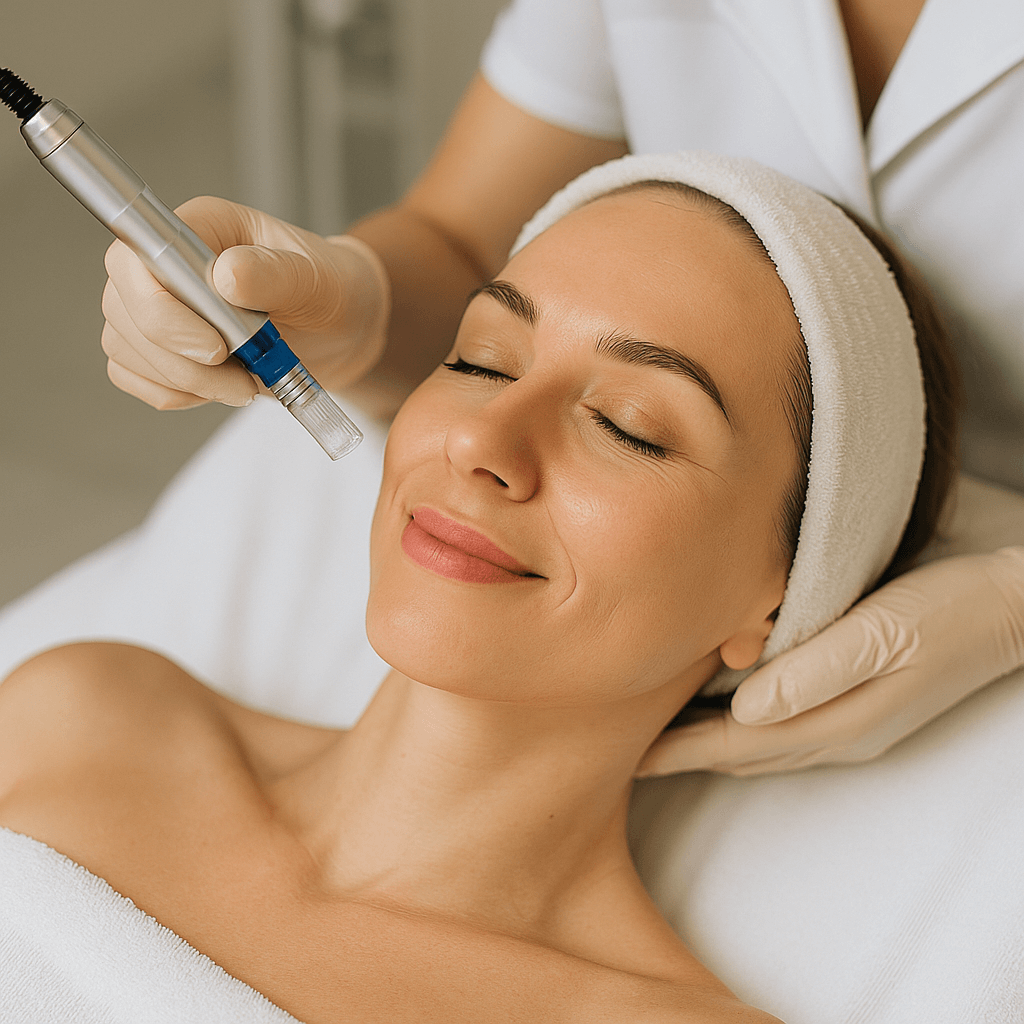
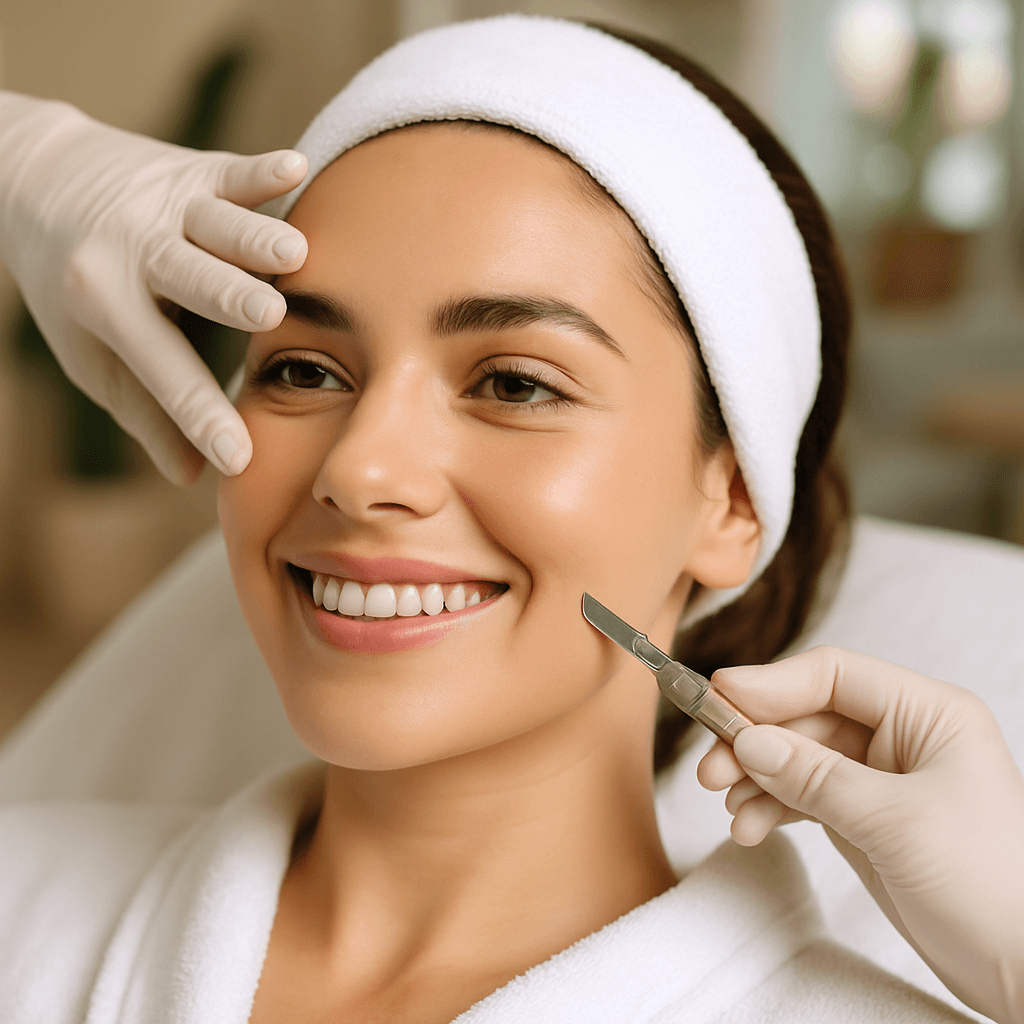
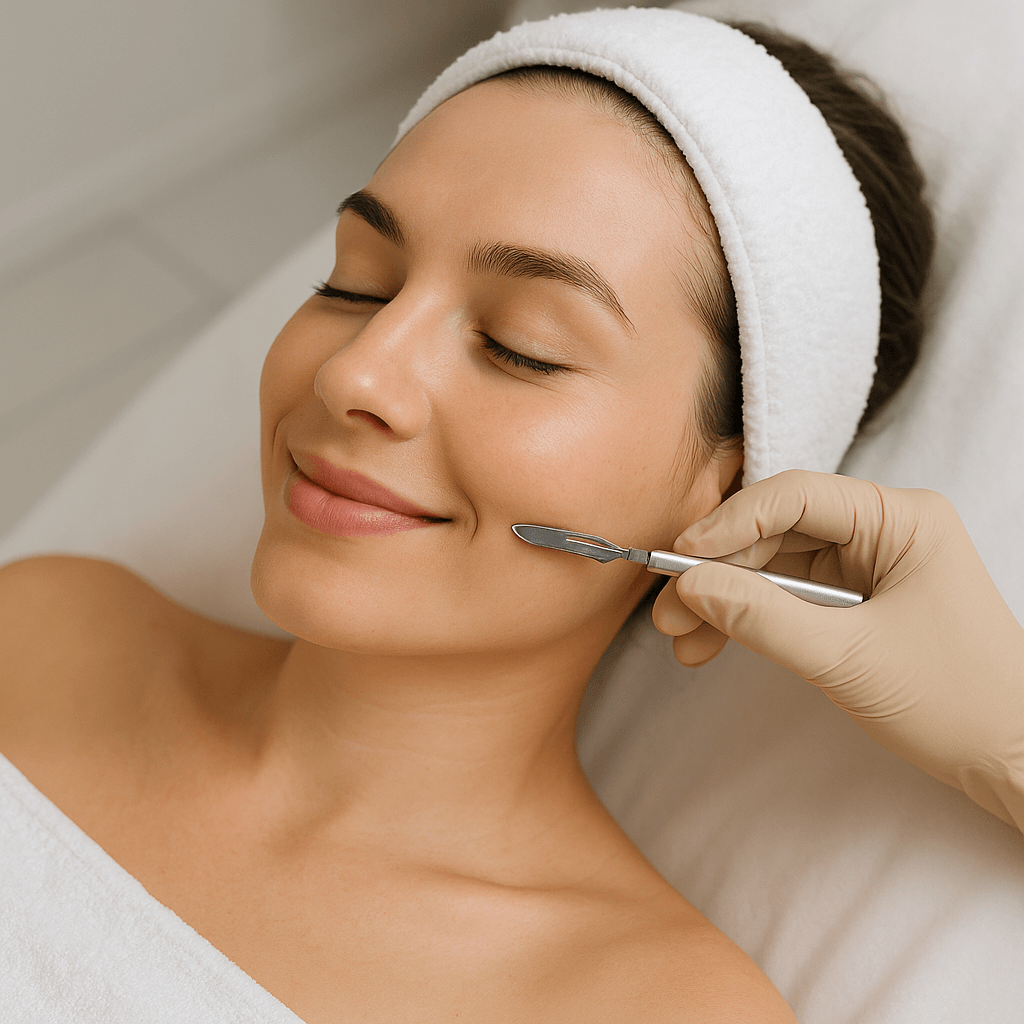
It's worth noting that how you feel internally often shows up externally as well. Hormone imbalances, chronic stress, and nutrient deficiencies can all affect skin health, hair thinning, and overall appearance. This is part of why a wellness-focused approach and aesthetic treatments often work well together, addressing both how you feel and how you look from the same underlying foundation.
The most effective wellness plans are the ones that account for your actual schedule, stress levels, and goals, rather than a generic template. Whether that means starting with a hormone evaluation, incorporating IV therapy, or simply having a more thorough conversation about your symptoms, the starting point is understanding what your body specifically needs.
Wellness isn't a single number on a scale or a specific diet plan. It's a broader state of feeling genuinely well, physically and mentally, which often requires looking beneath the surface at what's actually driving how you feel.
Once you understand what your body actually needs, whether that's hormone support, IV therapy, or simply a more complete evaluation, wellness stops being an abstract goal and becomes something much more specific and achievable.
Is wellness the same as being fit? Not exactly. Fitness is one component, but wellness also includes hormone balance, sleep quality, mental clarity, and overall recovery.
How often should I get a wellness evaluation? This varies by individual, but many people benefit from an annual comprehensive evaluation, with more frequent check-ins if symptoms arise or a treatment plan is in progress.
Can IV therapy replace a healthy diet? No, it's best used as a complement to good nutrition, particularly for targeted support during periods of fatigue or increased demand on the body.
What's the first step toward improving my wellness? A comprehensive wellness and hormone evaluation is often a helpful starting point, giving you a clearer picture of what your body actually needs.
Ready to get a clearer picture of your own wellness? Explore our comprehensive wellness and hormone evaluation or learn more about IV infusion therapy at Louisville Aesthetics.











.png)
.png)













.png)














.jpg)


