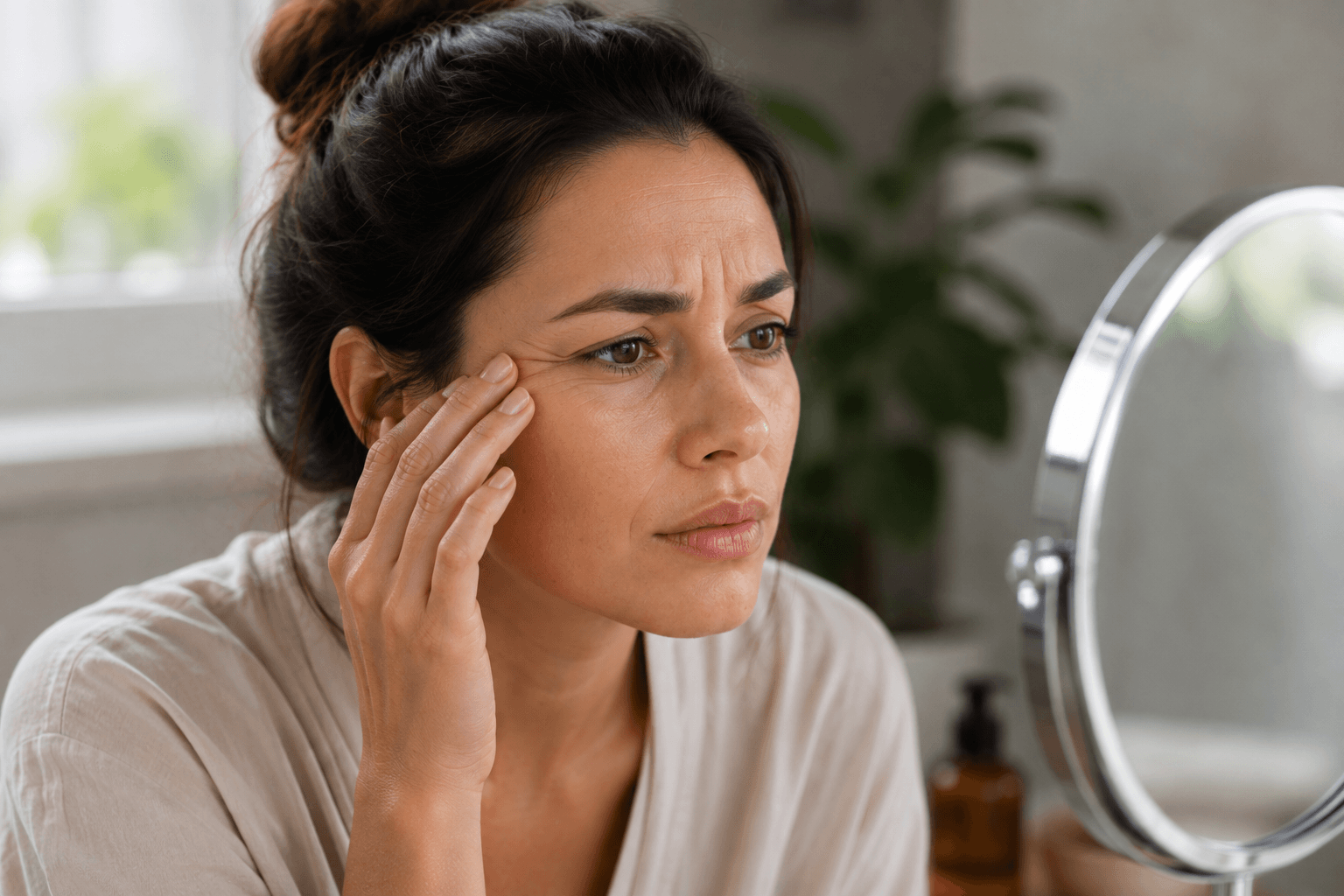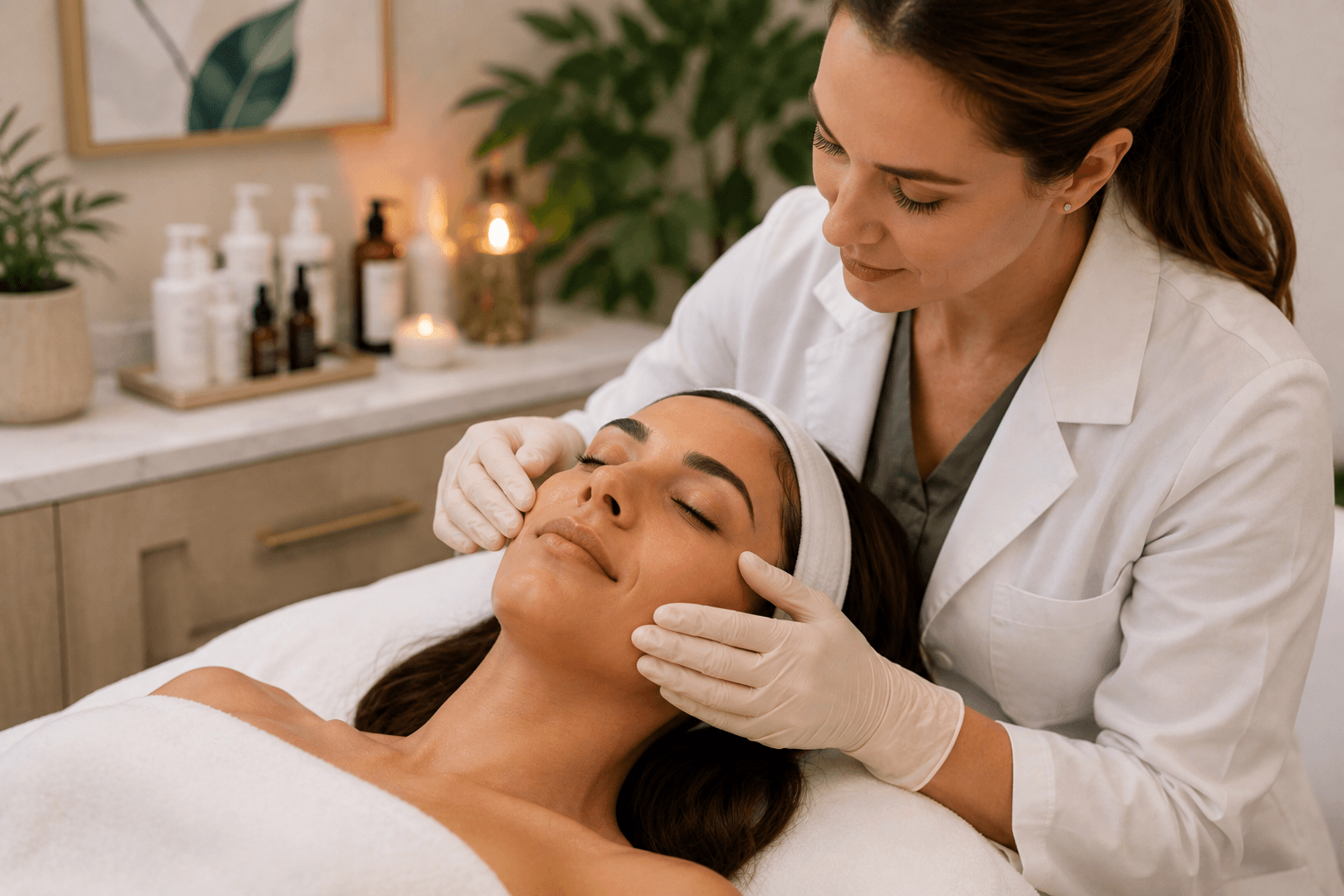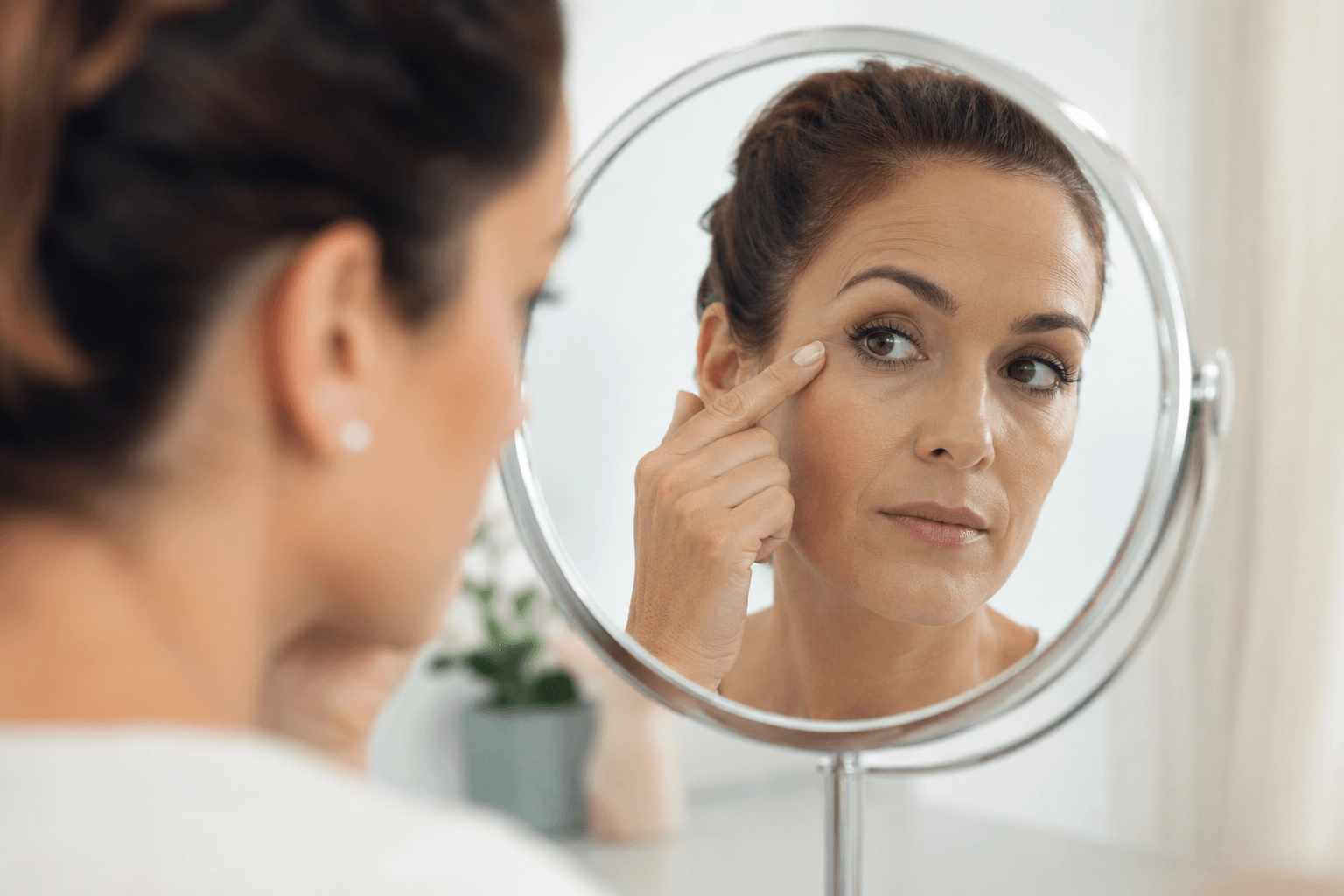
Busy professionals may find it difficult to separate ordinary exhaustion from a concern that warrants medical evaluation. Wellness medicine starts with listening to the pattern, duration, and impact of symptoms rather than assuming a single cause. The relevant concerns include low energy, weight changes, and brain fog. A clinician should consider the full picture, especially when symptoms are new, severe, or persistent. The aim is to decide what can reasonably be addressed in an aesthetic or wellness setting and what needs another medical pathway.
What concerns should prompt a consultation?
A consultation may be worth scheduling when fatigue, unexplained weight changes, poor sleep, low mood, or difficulty concentrating last for weeks and begin to affect work, relationships, or daily routines. Bring notes on when symptoms started, what makes them better or worse, and any recent changes in medications, stress, diet, or activity. Sudden, severe, or worsening symptoms, such as chest pain, shortness of breath, or rapid unexplained weight loss, should be evaluated by a primary care or emergency provider first.
Louisville Aesthetics currently identifies in-depth functional health evaluation and comprehensive wellness and hormone evaluation on its official services pages. A thorough history and targeted evaluation can help identify which questions deserve further medical attention. Testing should be chosen for a clinical reason, not ordered indiscriminately. A consultation should clarify the exact product or service, intended area or symptom, expected benefit, alternatives, and whether the proposed use matches applicable labeling.
Candidates are selected individually, not by age, gender, or lifestyle label. Men and women may have different goals, and a busy schedule may influence appointment planning, but neither determines medical suitability. Share medical conditions, medications, previous procedures, allergies, and your priorities before deciding.
The goal is an informed decision, not a guaranteed outcome. Ask what changes can reasonably be expected, how progress will be assessed, whether repeat visits might be needed, and what the service cannot accomplish. Photographs or measurements may be helpful in some settings, but they do not replace a clear discussion of uncertainty.
A wellness evaluation does not establish a diagnosis automatically. Symptoms may require primary care or specialist assessment, and abnormal laboratory findings must be interpreted in context. Ask for individualized preparation and aftercare instructions. Contact the treating clinician for unexpected symptoms; urgent symptoms warrant prompt emergency evaluation.
Choose an appointment based on the concern you want evaluated rather than a trend or a product name. Louisville Aesthetics describes a personalized approach. Its official Wellness Medicine service information and contact page provide a starting point for asking about availability, qualifications, and appropriate next steps.
No. Eligibility depends on the person, the exact service, the indication, and clinical assessment.
Not necessarily. The timeline varies by intervention, and some outcomes are gradual or uncertain.
No. A consultation should help you understand options, including choosing no treatment.
No. Preventive care and evaluation of concerning symptoms remain important.
Ask about the exact treatment, intended benefit, risks, alternatives, costs, and follow-up.
A good decision begins with an honest conversation about what matters to you and what the evidence supports. Explore Louisville Aesthetics and contact the team to discuss whether wellness medicine belongs in your individualized plan.