


Ask ten different people what wellness actually means and you will probably get ten different answers, ranging from a green smoothie to a full blown lifestyle overhaul. For a younger generation of Louisville residents who grew up watching their parents deal with health problems that could have been caught earlier, wellness has taken on a more specific meaning. It is less about a trend and more about prevention, understanding your own body's baseline now, long before something actually goes wrong.
At Louisville Aesthetics, this shows up through a wellness and integrative medicine program that treats wellness as an ongoing practice rather than a one time fix, built around real data instead of guesswork.
Wellness refers to an active, ongoing approach to health that goes beyond simply treating illness, focusing instead on nutrition, hormone balance, energy, and overall vitality. It is proactive rather than reactive, aimed at optimizing how you feel and function day to day, not just addressing problems after they appear.
For younger adults especially, this often means paying attention to things like sleep quality, nutrient levels, and stress before they become bigger issues, rather than waiting for a diagnosis to force the conversation.
Younger adults are increasingly drawn to preventive wellness because they want to understand their own health data early and avoid the chronic conditions they have seen affect older family members. There is a growing awareness that habits formed in your twenties and thirties set the trajectory for decades of health outcomes, which makes early attention feel less optional and more practical.
This generation also tends to value transparency, wanting to see their own lab results and understand the reasoning behind a recommendation rather than simply being told what to do.
A baseline wellness evaluation typically examines hormone levels, nutrient status, metabolic markers, and other indicators that reveal how your body is functioning beneath the surface. This kind of testing goes further than a standard checkup, offering a clearer picture of what is actually happening internally rather than relying on how you feel in the moment.
The in-depth functional health evaluation at Louisville Aesthetics is designed around this exact idea, giving younger clients a genuine starting point rather than a generic set of health tips.
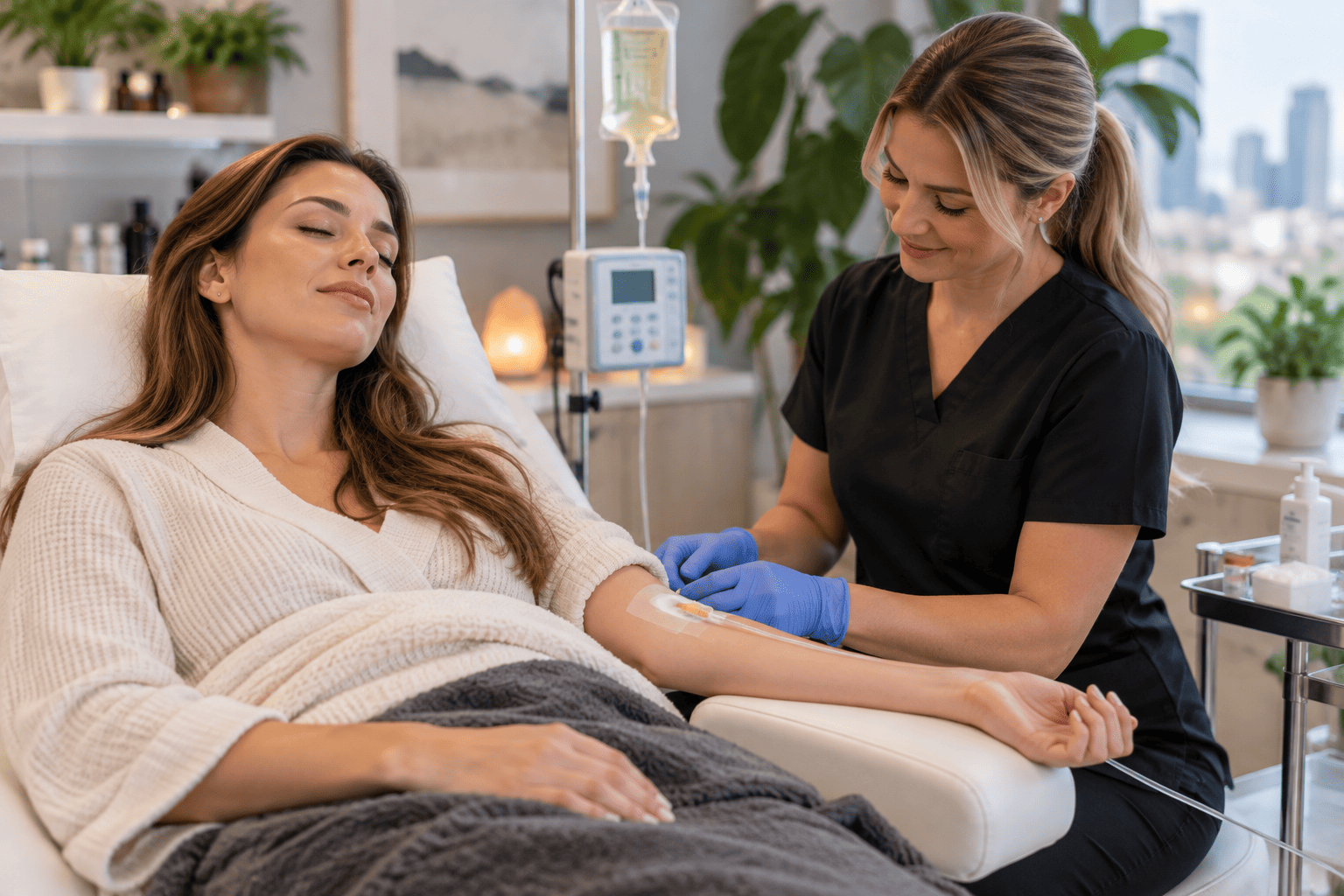
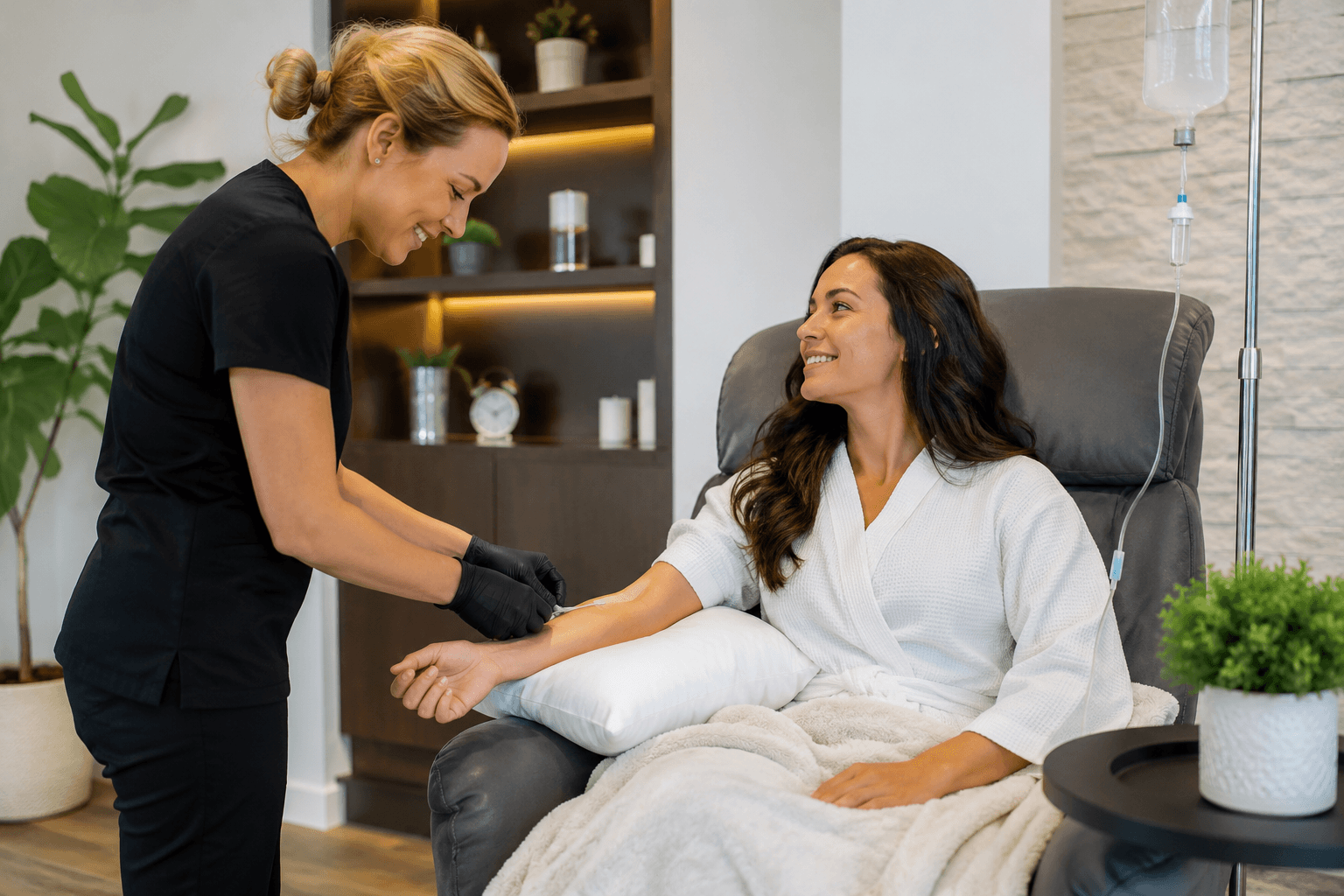
Nutrient and IV therapy can support an active lifestyle by replenishing hydration, vitamins, and minerals more efficiently than oral supplements alone, particularly for people balancing demanding schedules, social lives, and fitness routines. For a generation that tends to prioritize experiences and efficiency, a quick, targeted session can fit into a busy week far more easily than a lengthy new supplement routine.
IV infusion and IV fluid therapy are commonly used to support energy, recovery, and immune function, especially during particularly demanding stretches of work, travel, or training.
Wellness includes mental clarity and energy alongside physical health, since hormone balance, nutrition, and sleep all directly influence mood, focus, and cognitive function. Brain fog and low motivation are just as often connected to nutrient depletion or hormone shifts as physical symptoms are, which is why a genuinely comprehensive wellness approach looks at both together.
This is part of why younger clients are increasingly drawn to programs that pair physical testing with practical lifestyle guidance rather than addressing appearance or energy in isolation.
Getting started typically begins with a baseline evaluation to establish where your hormones, nutrients, and overall health currently stand, followed by a personalized plan based on those specific results. Rather than adopting a generic wellness trend, this approach lets you build a routine around what your own body actually needs.
Many younger clients start with a comprehensive wellness and hormone evaluation and adjust their plan from there, often incorporating peptide therapy or nutrient support depending on their specific goals.
Wellness today is defined more by measurable data and personalized testing than by the broad, one size fits all trends that dominated a decade ago, like generic detox programs or fad diets. Where older wellness culture often centered on restriction or a single trending product, the current approach leans on lab testing and individualized plans built around a person's actual results.
This shift matters because it moves wellness away from guesswork and toward something closer to preventive healthcare, which is a big part of why younger adults are taking it more seriously than previous generations did at the same age.
Ignoring early warning signs like chronic fatigue, poor sleep, or hormone irregularities in your twenties and thirties can allow underlying imbalances to progress into more significant, harder to reverse health issues later on. Patterns like insulin resistance, thyroid dysfunction, or chronic cortisol elevation often develop gradually and quietly before becoming symptomatic enough to demand attention.
Catching these patterns early, while they are still easier to address through hormone support, nutrition, and lifestyle changes, tends to require far less intervention than waiting until they have fully developed into a diagnosable condition.
Wellness is not a single product or a passing trend. It is an ongoing, informed relationship with your own health, and increasingly, Louisville's younger residents are choosing to build that relationship earlier rather than waiting for a wake up call. If you want to know where your own baseline actually stands, an evaluation through Louisville Aesthetics is a straightforward way to find out, and their pricing and membership options make it easier to build wellness into an ongoing routine rather than a one time visit.
Do you need a health condition to start focusing on wellness? No, wellness evaluations are designed for anyone who wants a clearer picture of their health, whether or not any symptoms are currently present.
How often should a wellness evaluation be repeated? Many people revisit their evaluation annually or whenever they notice meaningful changes in energy, mood, or overall health.
Is IV therapy safe for regular use? IV therapy is generally well tolerated, but frequency should be guided by a provider based on your individual needs and goals.
What is the difference between wellness and general fitness? Fitness typically focuses on physical activity and body composition, while wellness takes a broader view that includes hormones, nutrition, sleep, and mental clarity alongside physical health.
Can wellness testing catch issues that a normal checkup would miss? Yes, that is often the main advantage. A standard checkup usually screens for a narrow set of conditions, while a more detailed wellness evaluation looks at hormone and nutrient patterns that can signal a problem long before it would show up on routine bloodwork.
The earlier you understand your own baseline, the more control you have over how you feel for decades to come. Louisville Aesthetics can help you start that conversation with real data instead of guesswork.









.png)
.png)













.png)













.jpg)


