

Updated April 2026
If you’ve been curious about booking a dermaplane treatment in Louisville, you’ve probably heard at least one version of the same concern: “Will my hair grow back thicker?” It’s one of the most common questions providers hear, and it’s also one of the most misunderstood.
Dermaplaning has become a go-to treatment for smoother, brighter skin, but myths around facial hair can make people hesitate. Let’s clear the air with real facts, expert insight, and a closer look at what’s actually happening beneath the surface of your skin.
Short answer: No, dermaplaning does not change how your hair grows.
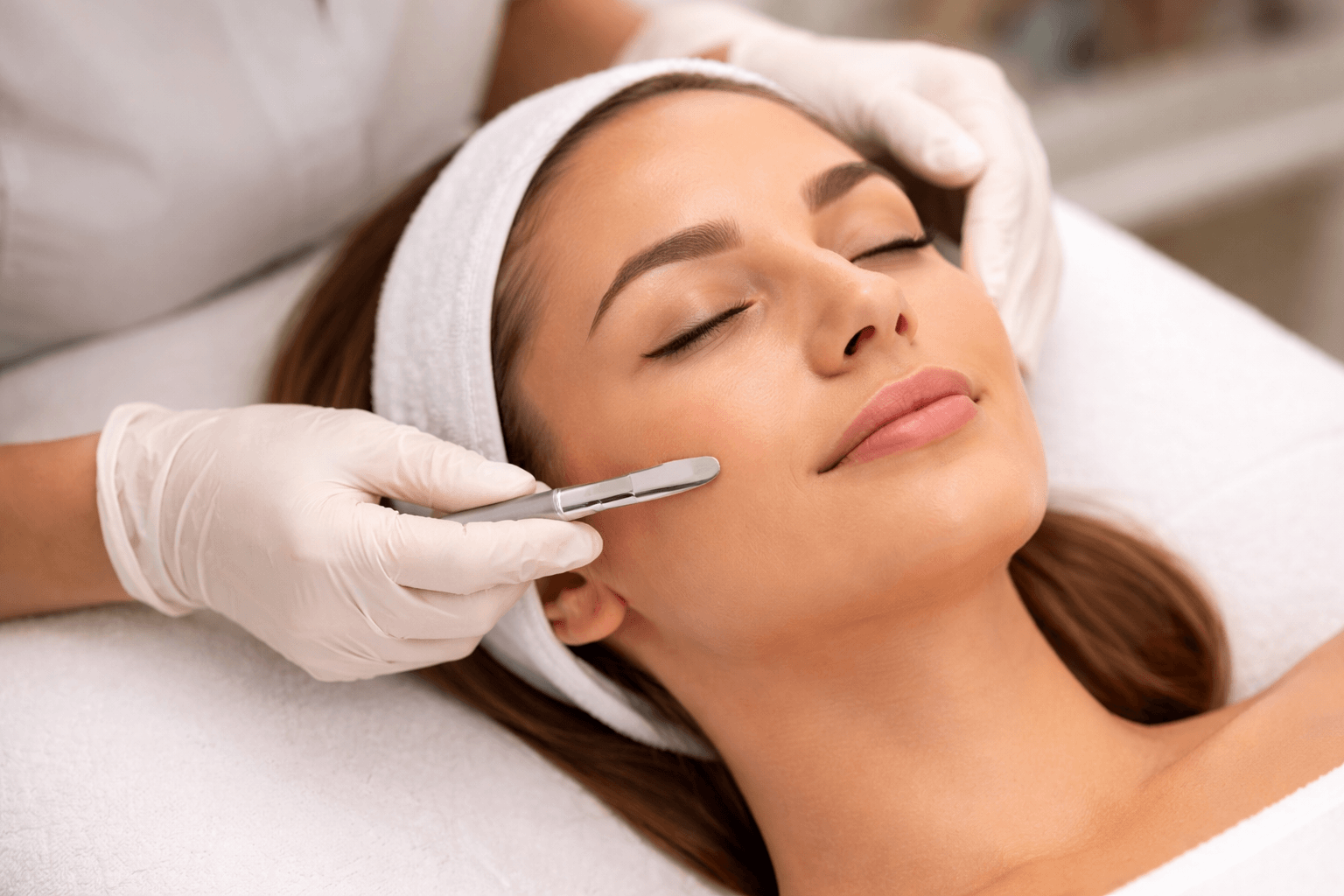
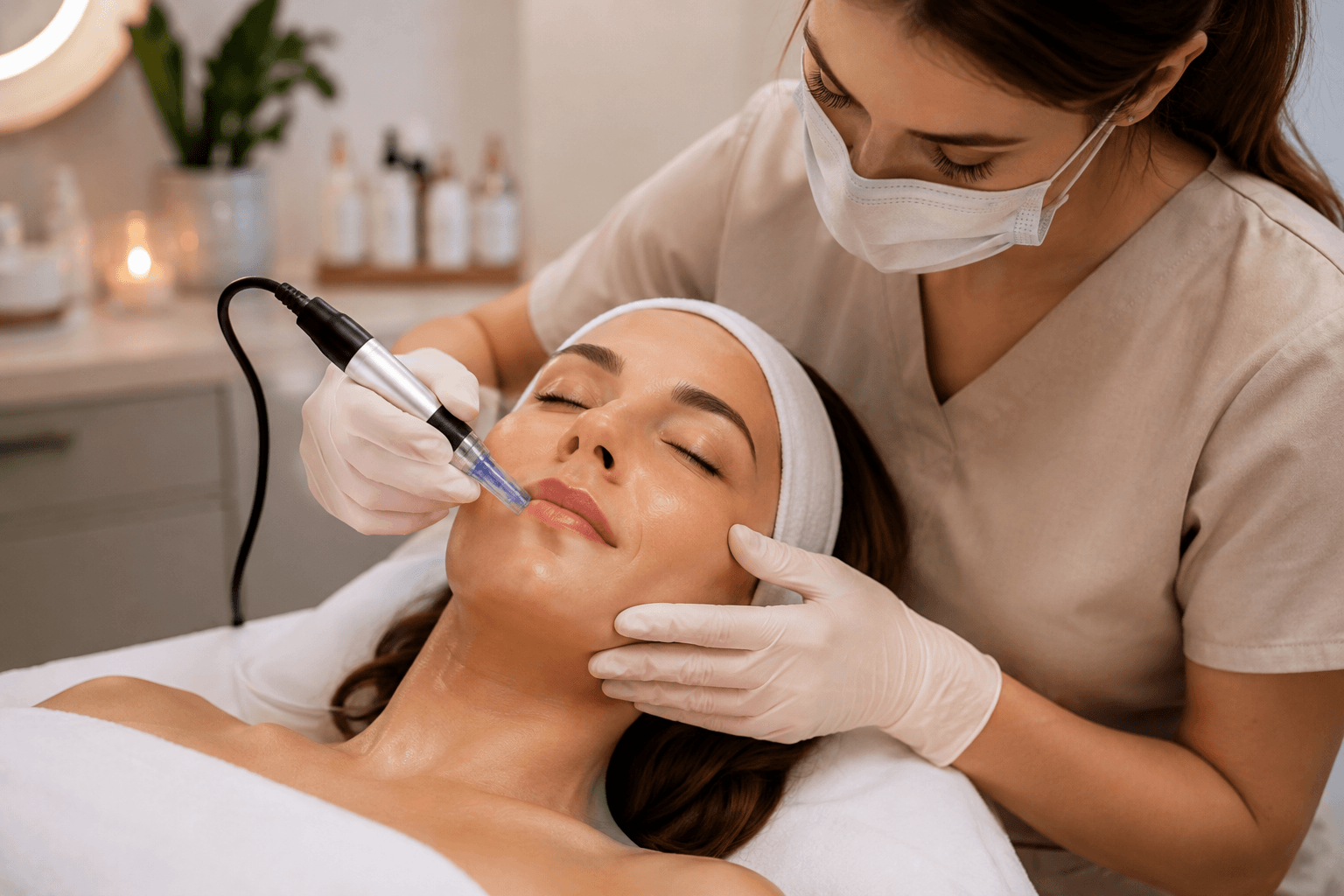
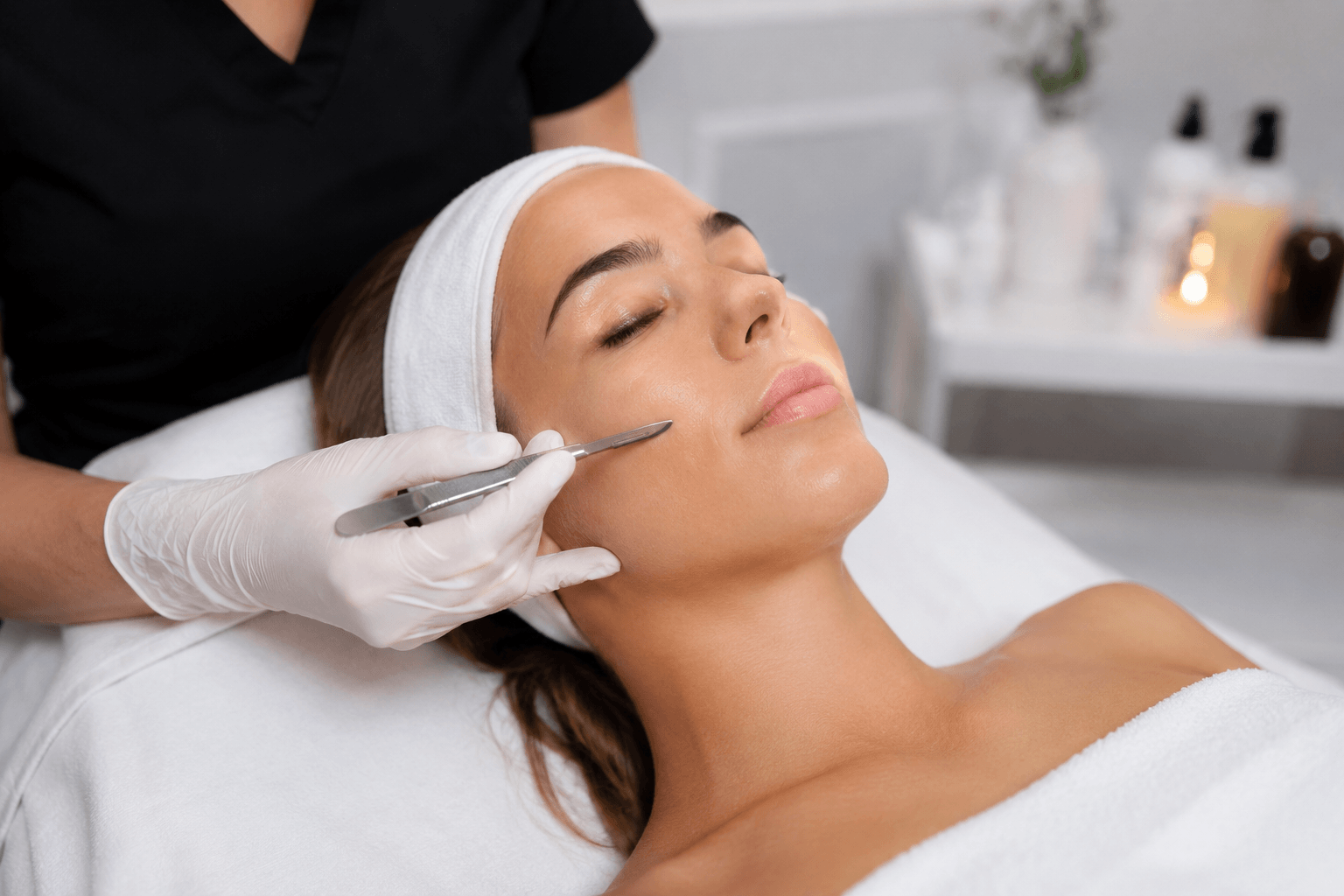
Dermaplaning is a physical exfoliation treatment that removes dead skin cells and fine facial hair, also known as vellus hair or “peach fuzz.” It works at the surface level and does not interact with the hair follicle, which is where growth is determined.
Hair growth is controlled by factors like:
Because dermaplaning doesn’t affect the follicle or root, it cannot:
What it does do is temporarily remove the visible hair and debris sitting on the skin, which is why your complexion looks instantly smoother and more radiant after treatment.
This is where the myth begins.
After dermaplaning, some people notice that their hair feels slightly different when it grows back. This can give the illusion that it’s thicker, but it’s really just a matter of texture and perception.
Here’s what’s happening:
Over time, the hair returns to its natural softness and texture. It is not actually thicker or darker.
They may sound similar, but dermaplaning and shaving are not the same experience.
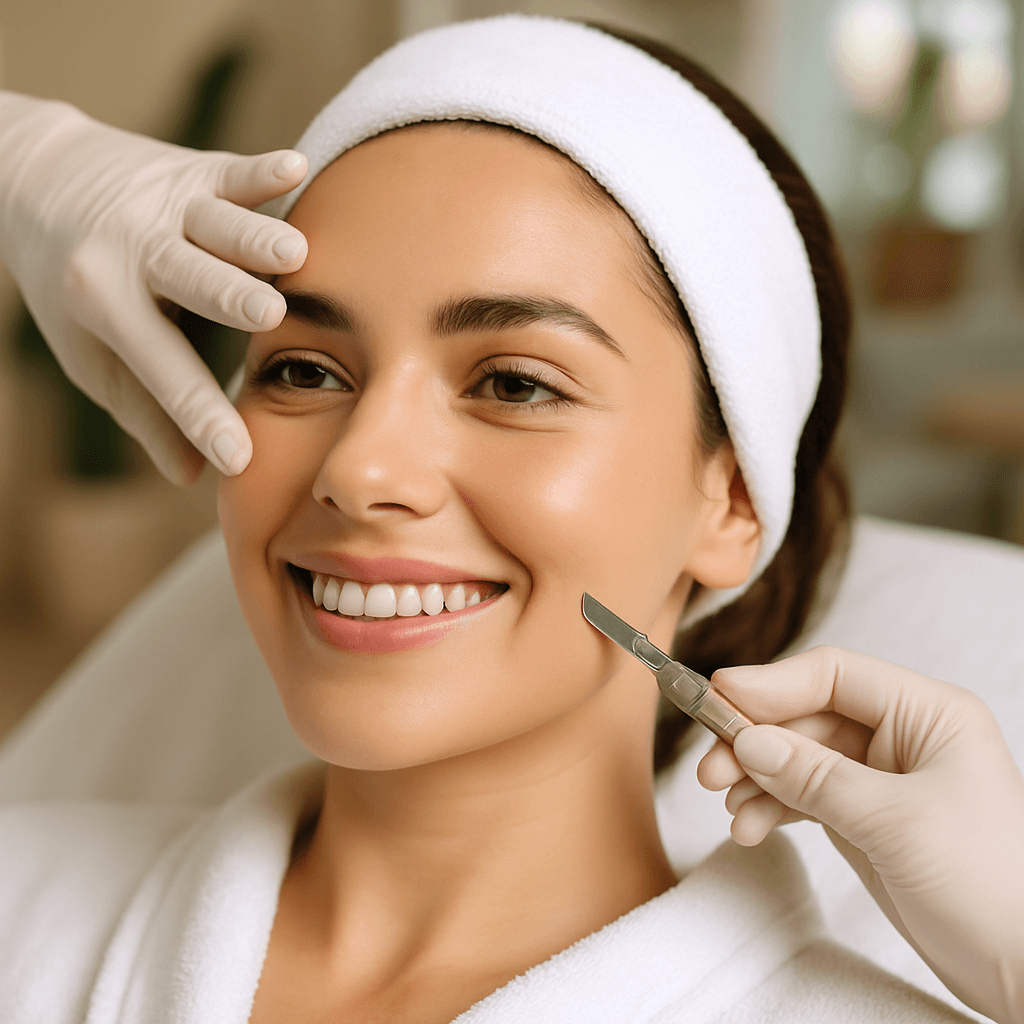
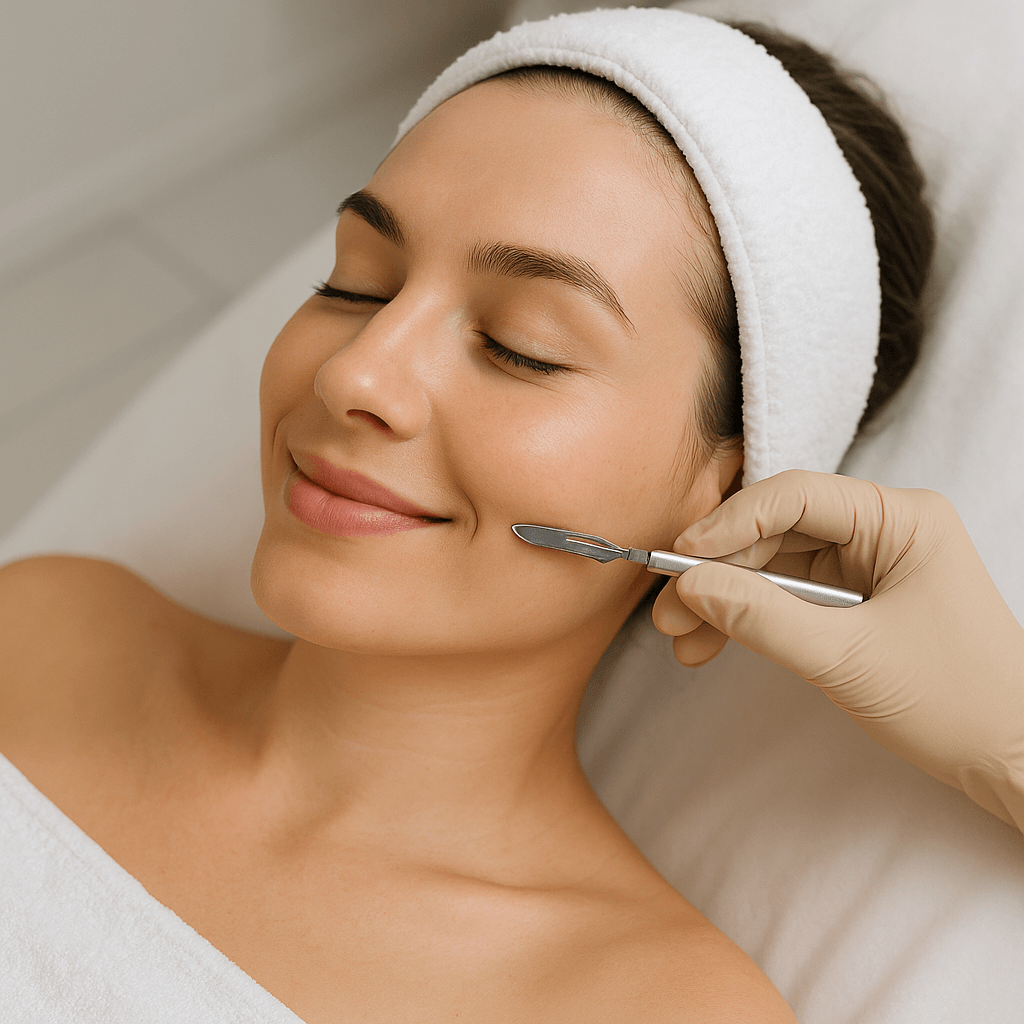
Shaving is typically done at home using a standard razor and is focused on removing hair. Dermaplaning, on the other hand, is a professional-grade exfoliation treatment performed with a sterile surgical blade by a trained provider.
Here are the key differences:
While both remove hair at the surface, dermaplaning is designed to improve overall skin health and texture, not just hair removal.
Dermatologists widely agree that dermaplaning is a safe and effective treatment when performed correctly.
According to clinical consensus:
Many skincare professionals recommend dermaplaning as part of a routine that supports:
For those exploring dermaplane treatment in Louisville, choosing a reputable provider ensures the procedure is done safely and delivers the best possible results.
This is an important question, especially for women dealing with conditions like PCOS or hormonal imbalances that can cause thicker facial hair.
Dermaplaning is still considered safe in these cases, but expectations should be realistic.
Here’s what to know:
For individuals with more pronounced or persistent hair growth, providers may recommend alternative treatments or combine dermaplaning with other skincare solutions.
If you are unsure, a consultation with a qualified provider in Louisville can help determine the best approach for your skin and hair type.
Even with the myths, dermaplaning continues to be one of the most requested treatments for a reason. The benefits go far beyond hair removal.
Clients often choose dermaplaning for:
It is also a great option for those who want visible results without downtime, making it ideal for busy schedules and special events.
If you’re considering a dermaplane treatment in Louisville, KY, the quality of your results depends heavily on who performs the treatment.
Look for:
No, dermaplaning does not change the thickness, color, or growth rate of your hair. Any difference you feel is temporary and related to how the hair grows back after being cut at the surface.
Most people benefit from treatments every 3 to 4 weeks. This aligns with the natural skin cell turnover cycle and helps maintain smooth, glowing skin.
When performed correctly, dermaplaning does not cause breakouts. In fact, it can help reduce clogged pores by removing dead skin buildup. However, those with active acne should consult a provider first.
Dermaplaning is generally painless. Most clients describe it as a light scraping sensation with no discomfort.
Yes, and many people notice that makeup goes on more smoothly after treatment. However, your provider may recommend waiting a short period to allow your skin to settle.
Yes, dermaplaning is often suitable for sensitive skin because it is a non-chemical form of exfoliation. A consultation will help determine if it is right for your specific skin concerns.
Let’s set the record straight. Dermaplaning does not make your hair grow back thicker, darker, or faster. What it does do is reveal smoother, fresher skin that looks and feels noticeably better.
If you’ve been on the fence about trying a dermaplane treatment in Louisville, the science and expert consensus are clear. This treatment is safe, effective, and a great addition to a well-rounded skincare routine.
Sometimes, the biggest barrier to great skin isn’t the treatment itself. It’s the myths surrounding it.










.png)
.png)














.png)












.jpg)


