

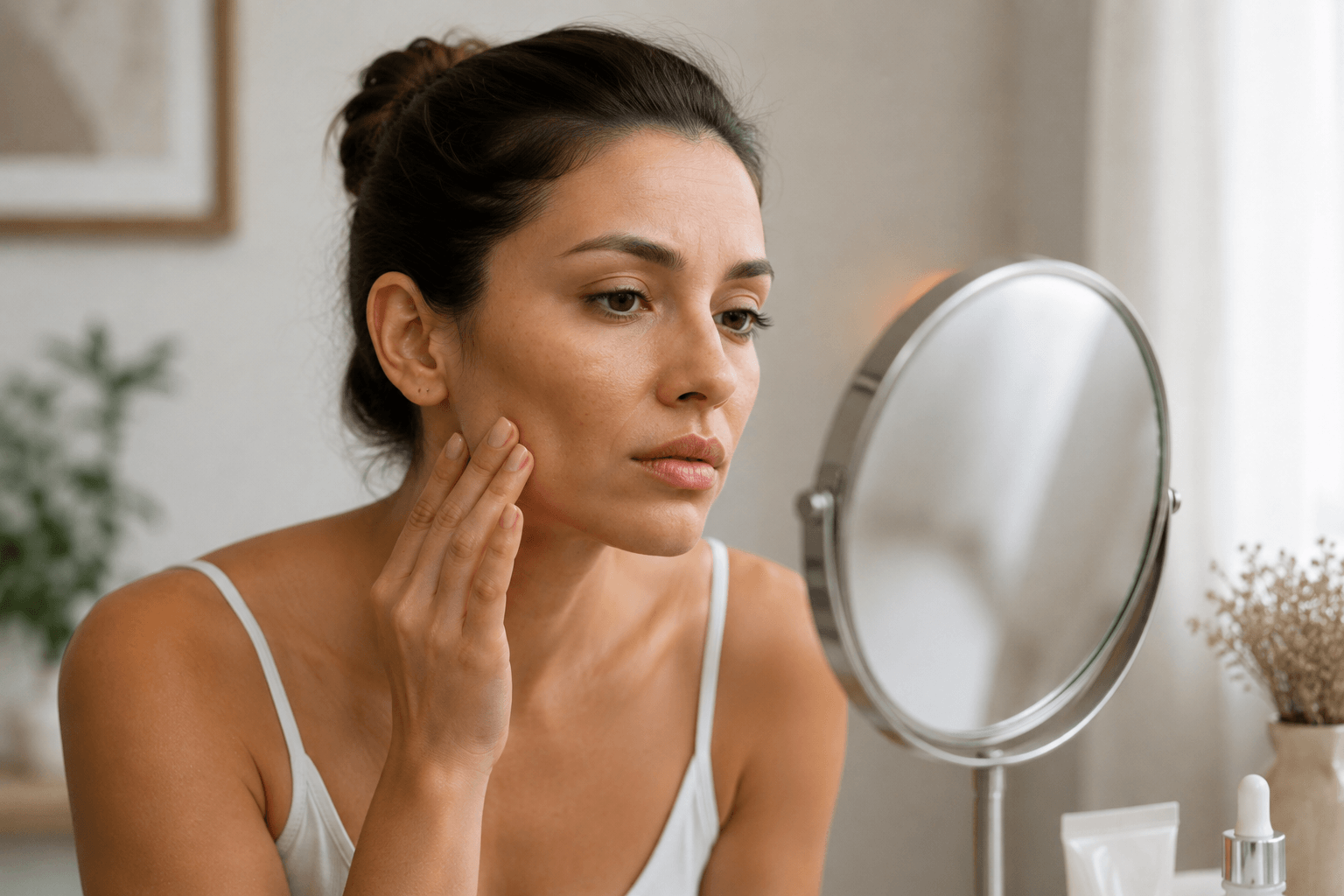
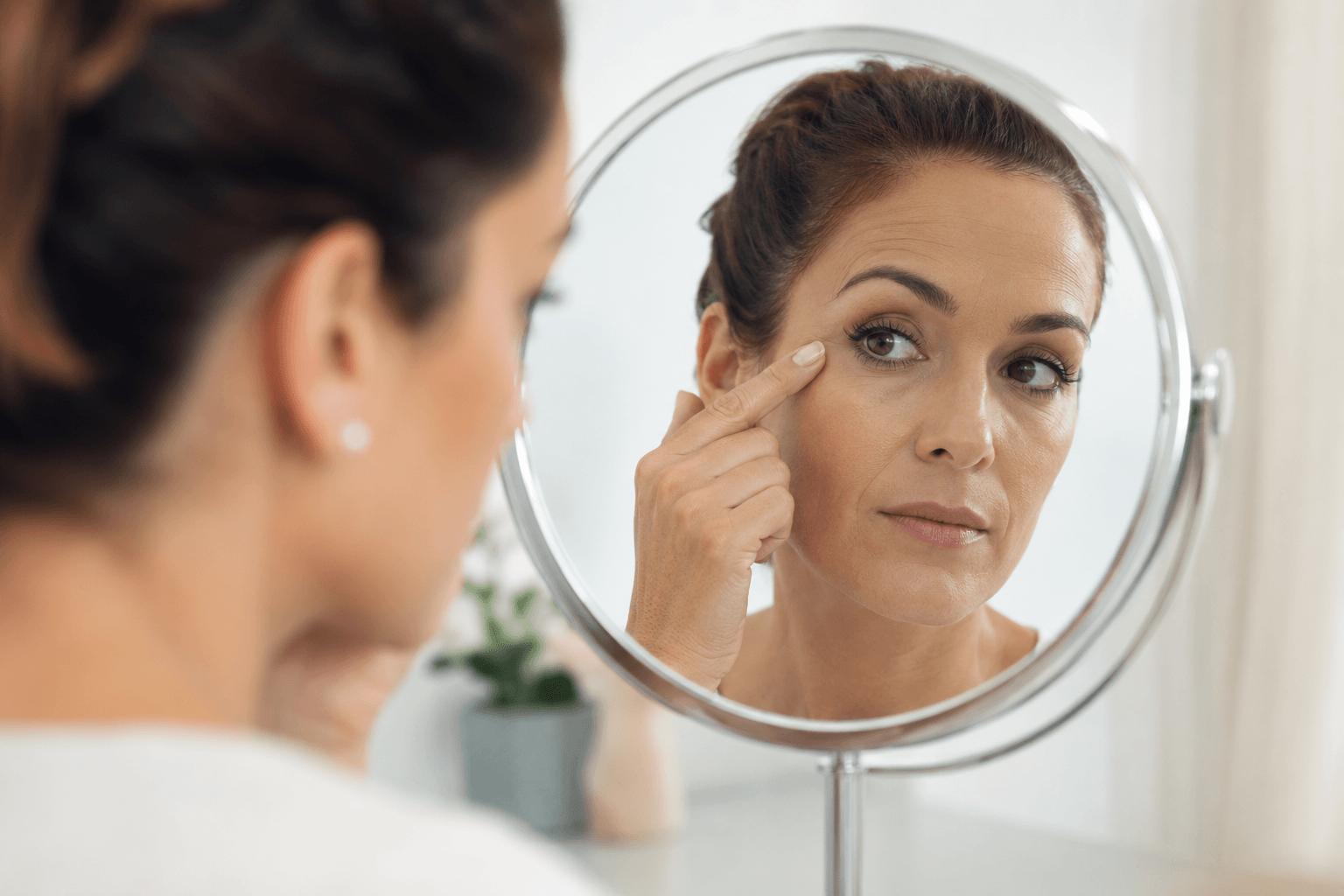
You get enough sleep. You are eating fine. And yet you catch your reflection under certain lighting and notice your cheeks look flatter than they used to, or the area under your eyes has taken on a slightly sunken quality that makes you look more tired than you feel. If this has been on your mind, you are noticing something real, and it is not really about sleep or hydration at all. It is about volume, and specifically, the volume your face has been quietly losing for years.
At Louisville Aesthetics, this is one of the most frequent concerns raised in consultations, especially among clients in their thirties and beyond who cannot quite pinpoint why their face looks different even though nothing dramatic has changed. This guide explains what is actually happening beneath the surface, why it happens earlier than most people expect, and how dermal filler Louisville patients trust can help restore a more rested, balanced appearance.
The short answer is that your face is not just skin. Underneath it, there is a supportive layer of fat pads, and beneath that, bone. Both of these structures change over time, and their decline is what drives most of the hollowing, flattening, and shadowing people notice as they age.
Fat pad changes. The face contains distinct fat compartments that provide shape and lift, particularly in the cheeks. Starting in the late twenties and continuing steadily afterward, these fat pads begin to shrink and shift downward, which is a major reason cheeks lose their fullness and the area under the eyes can start to look hollow.
Bone resorption. The bones supporting the midface, including the cheekbones and the bones around the eye socket, gradually lose density and volume over time. Since this bony structure is what everything else rests on, its reduction changes the entire framework of the face.
Collagen and elastin decline. Skin's own structural proteins decrease with age, reducing the skin's ability to hold its shape and bounce back, which compounds the appearance of volume loss from deeper layers.
Sun exposure and lifestyle factors. UV exposure, smoking, and significant fluctuations in weight can all accelerate the breakdown of collagen and fat, making volume loss more pronounced at a younger age than genetics alone would predict.
Genetics. Some people are simply predisposed to thinner fat pads or a bone structure that shows volume changes more visibly than others.
Volume loss tends to follow a fairly consistent pattern. The cheeks are often among the first areas to show noticeable flattening, since the fat pads there are relatively large and their shift downward is easy to see. This is closely followed by hollowing under the eyes, since that area has very little fat and skin coverage to begin with, making even small volume changes visible. As volume continues to shift downward, it can also contribute to the appearance of deeper nasolabial folds, the lines running from the nose to the corners of the mouth, and marionette lines extending from the mouth toward the chin. Understanding this progression is part of why an experienced provider often looks at the whole face rather than treating a single line or area in isolation.
Not exactly, though they are related and often occur together. Sagging typically refers to the skin itself losing elasticity and firmness, while volume loss refers to what is happening in the structures underneath. In many cases, what looks like sagging skin is actually the skin settling onto a face that has lost some of its underlying support. This is an important distinction because it changes the approach to treatment. Restoring lost volume can sometimes improve the appearance of mild sagging by giving skin something to rest on again, rather than requiring a surgical lift.
A few signs suggest that volume loss, rather than skin laxity alone, may be the main factor behind what you are noticing. These include cheeks that look flatter from the front or side compared to older photos, shadowing or a hollow look under the eyes even when well rested, a tired or gaunt appearance that seems disconnected from how you actually feel, and deepening folds around the mouth and nose that seem to be more about lost support than wrinkling. A consultation with an experienced injector can help clarify exactly where your face has lost structure and how much of what you are seeing could realistically be addressed with filler.
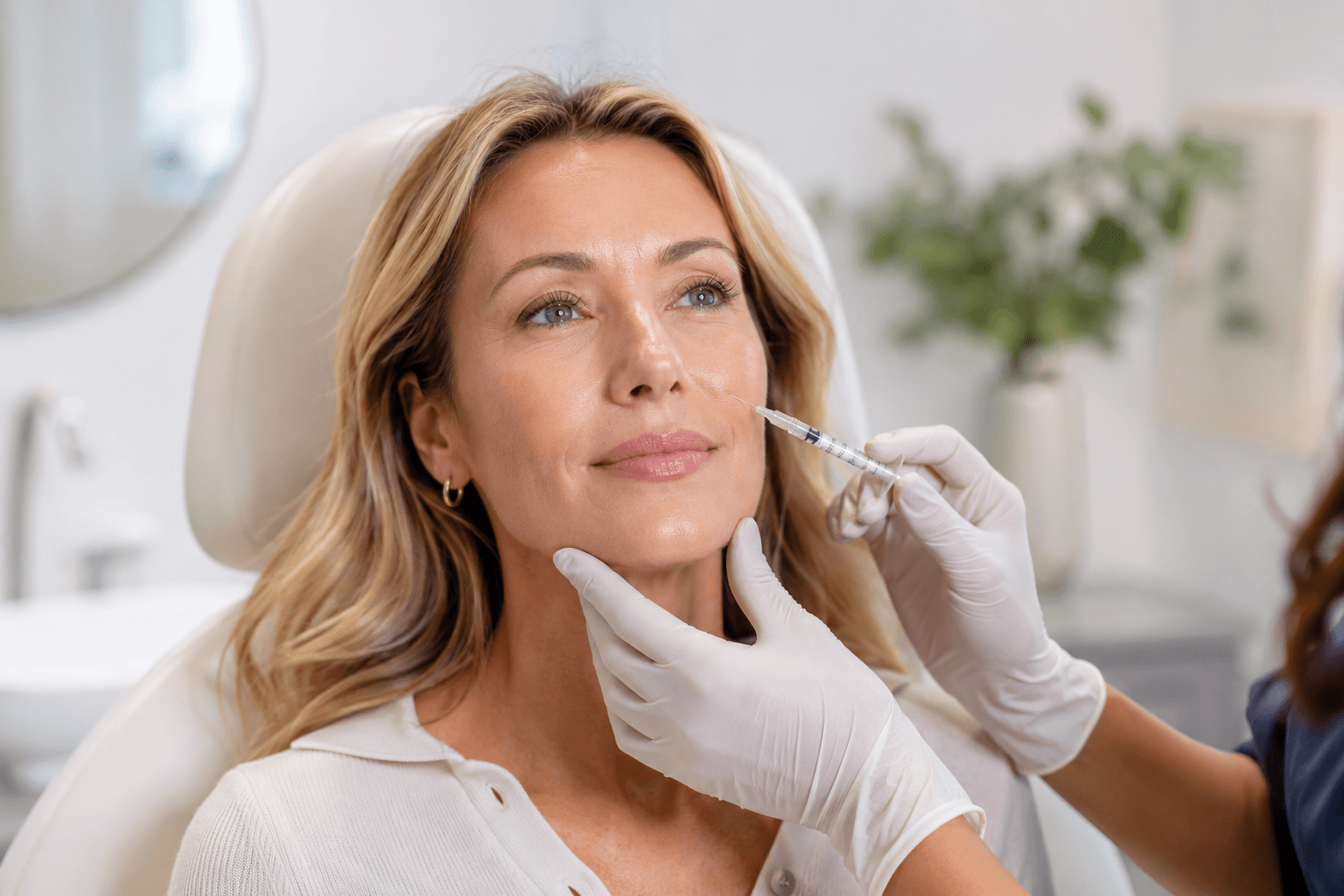
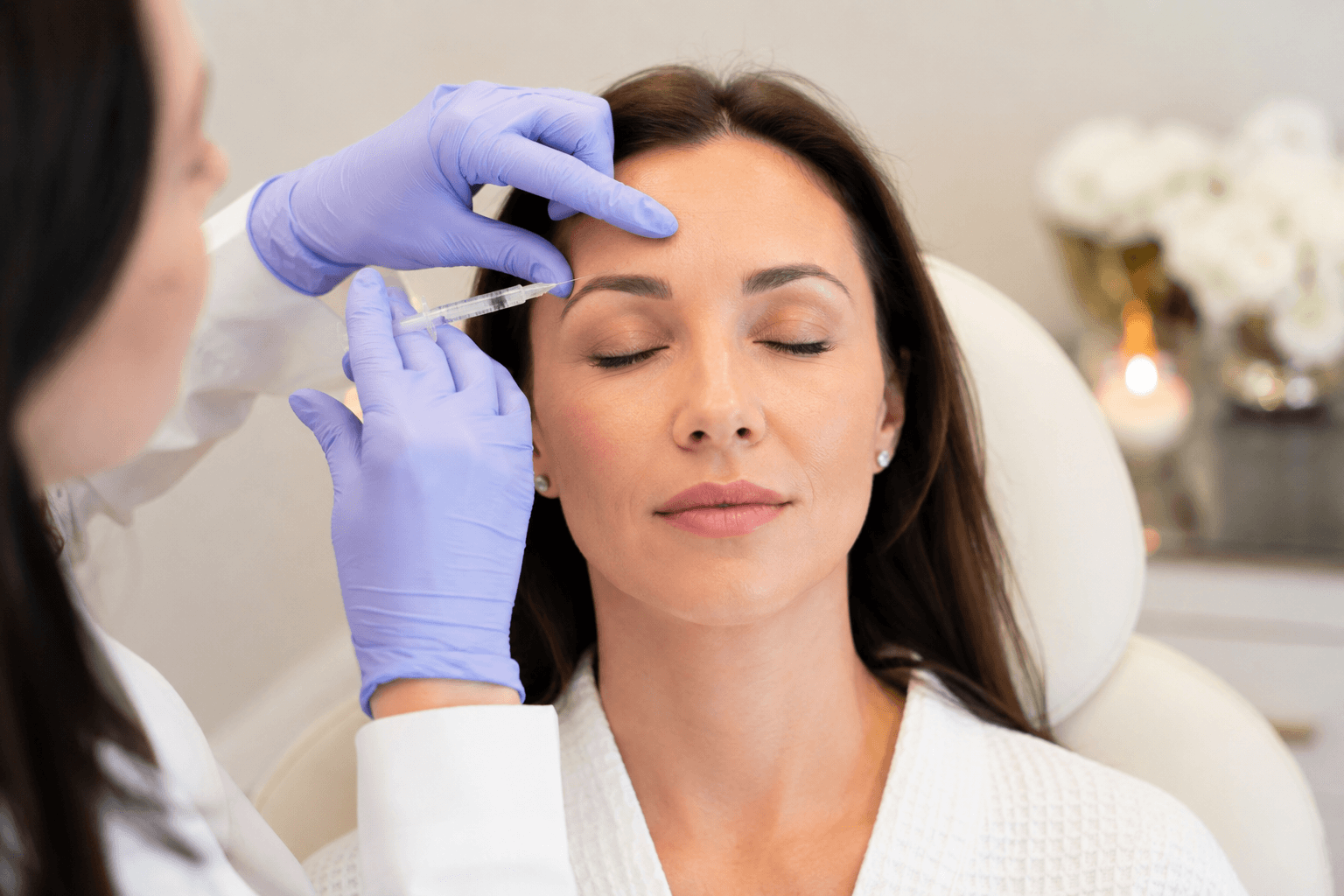
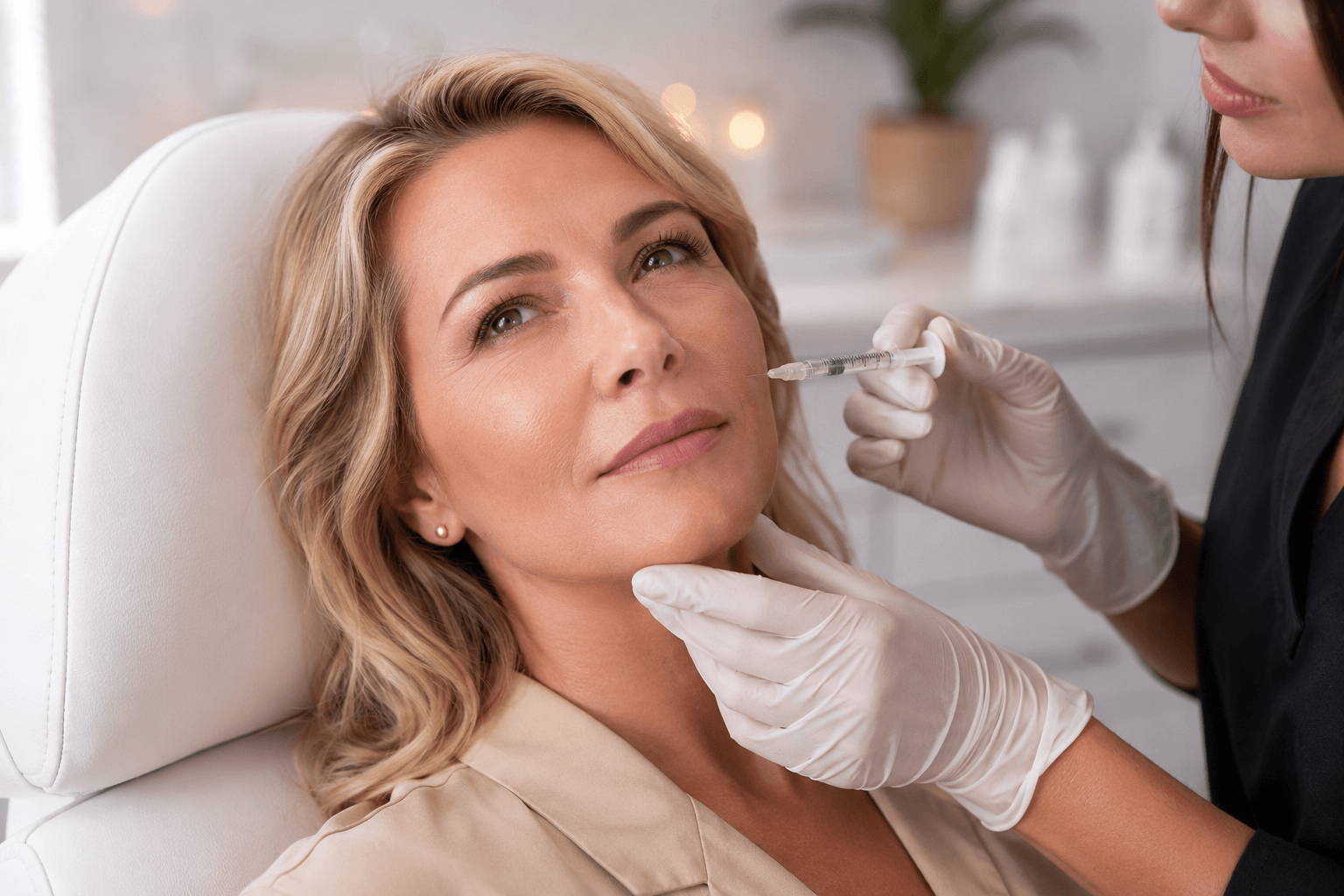
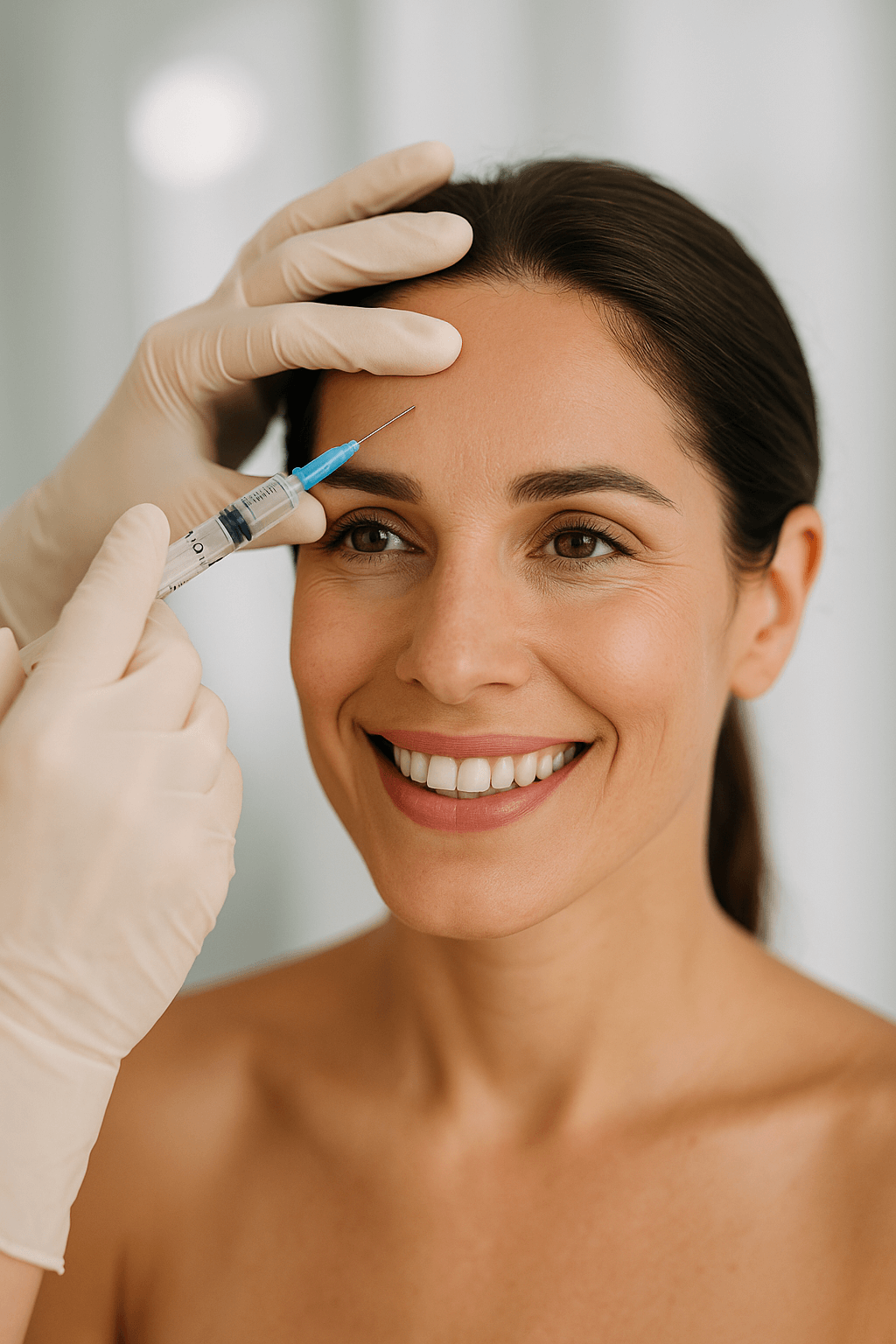
Dermal fillers work by adding volume back into the areas where it has diminished, restoring a more natural contour rather than simply filling in individual lines. At Louisville Aesthetics, dermal fillers including Restylane, RHA, Sculptra, and Radiesse are used to address a range of concerns, from cheek volume and under-eye hollowing to nasolabial folds and marionette lines. Different filler formulations behave differently in the skin, which is why providers select specific products based on where volume needs to be restored and how much structure that area requires.
For cheek volume specifically, fillers are often placed deeper, closer to the bone, to recreate the lift and support the fat pads once provided. For finer areas like under the eyes, a softer, more delicate approach is used given how thin the skin is in that region. This is part of why volume restoration should always be handled by an experienced, qualified provider rather than approached as a one size fits all treatment.
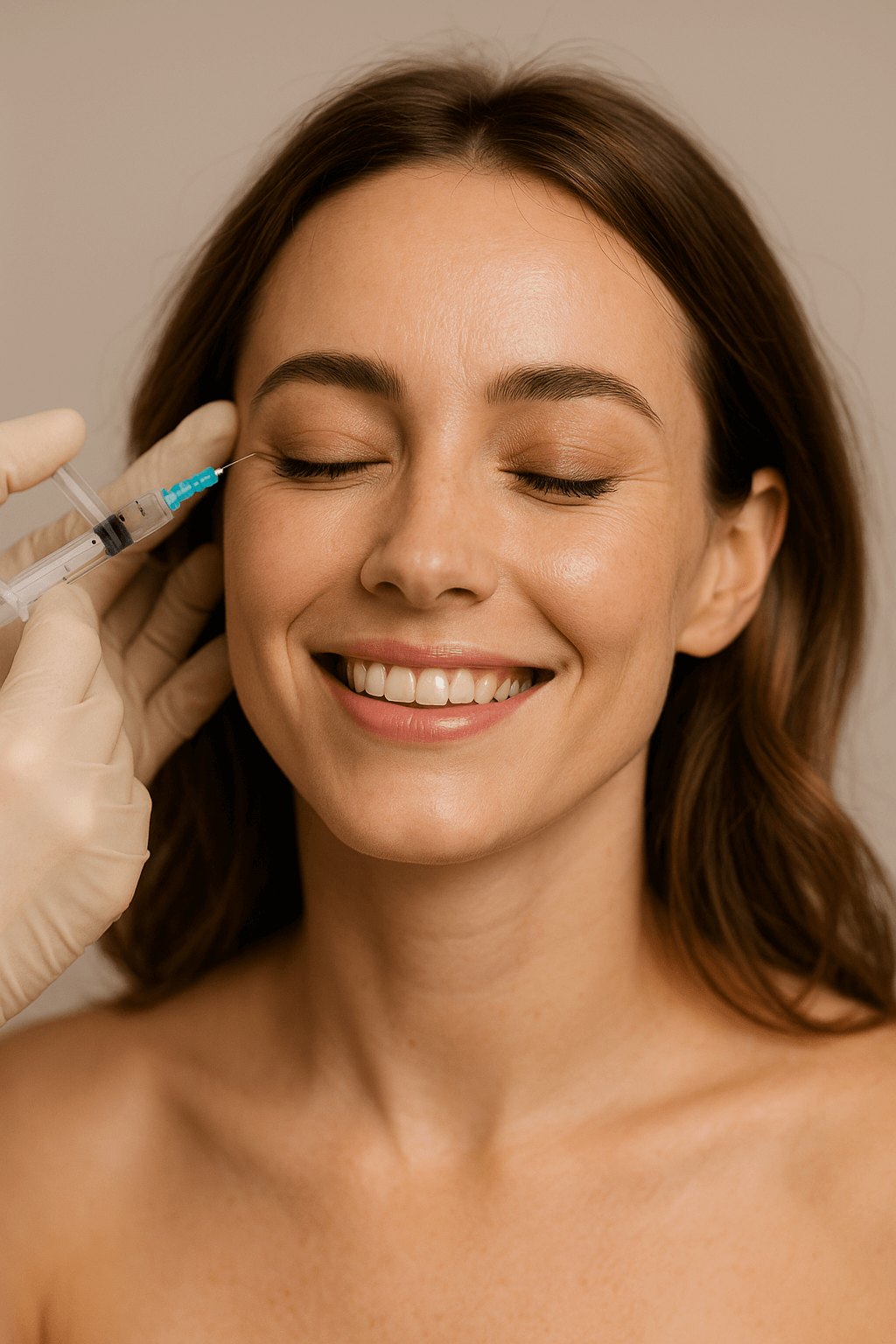
Filler appointments typically take between thirty and forty five minutes, depending on how many areas are being treated. A topical numbing agent is often used to keep the process comfortable. Mild swelling, bruising, or tenderness at injection sites is common for the first few days, though most people are comfortable returning to normal activities right away. Results are visible almost immediately, with any residual swelling settling within one to two weeks to reveal the final outcome.
Longevity depends on the specific filler used and the area treated, but most facial fillers last somewhere between six months and two years. Sculptra works differently, gradually stimulating your own collagen production over several months, with results that can last even longer. Your provider can help set realistic expectations based on the products recommended for your specific concerns.
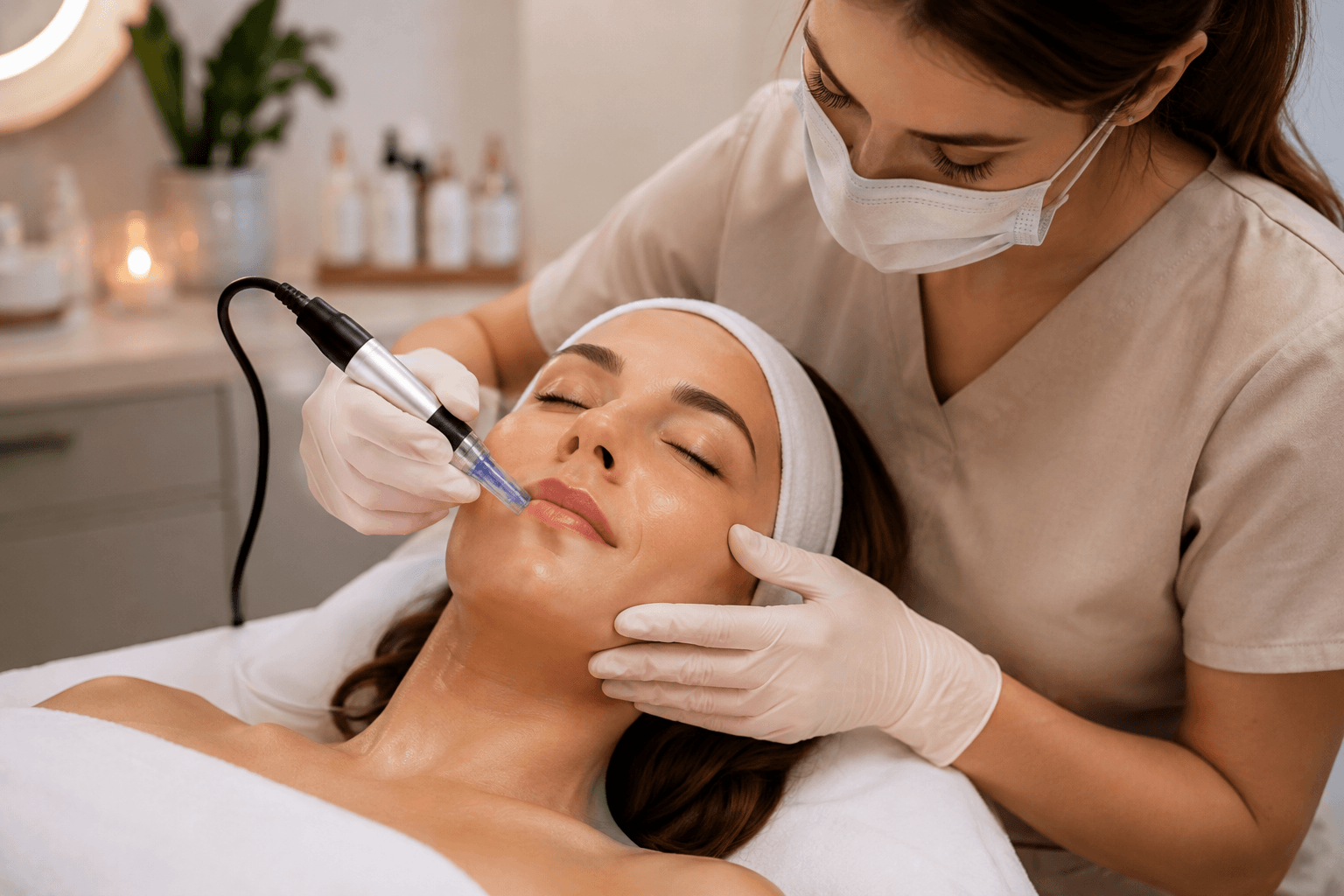
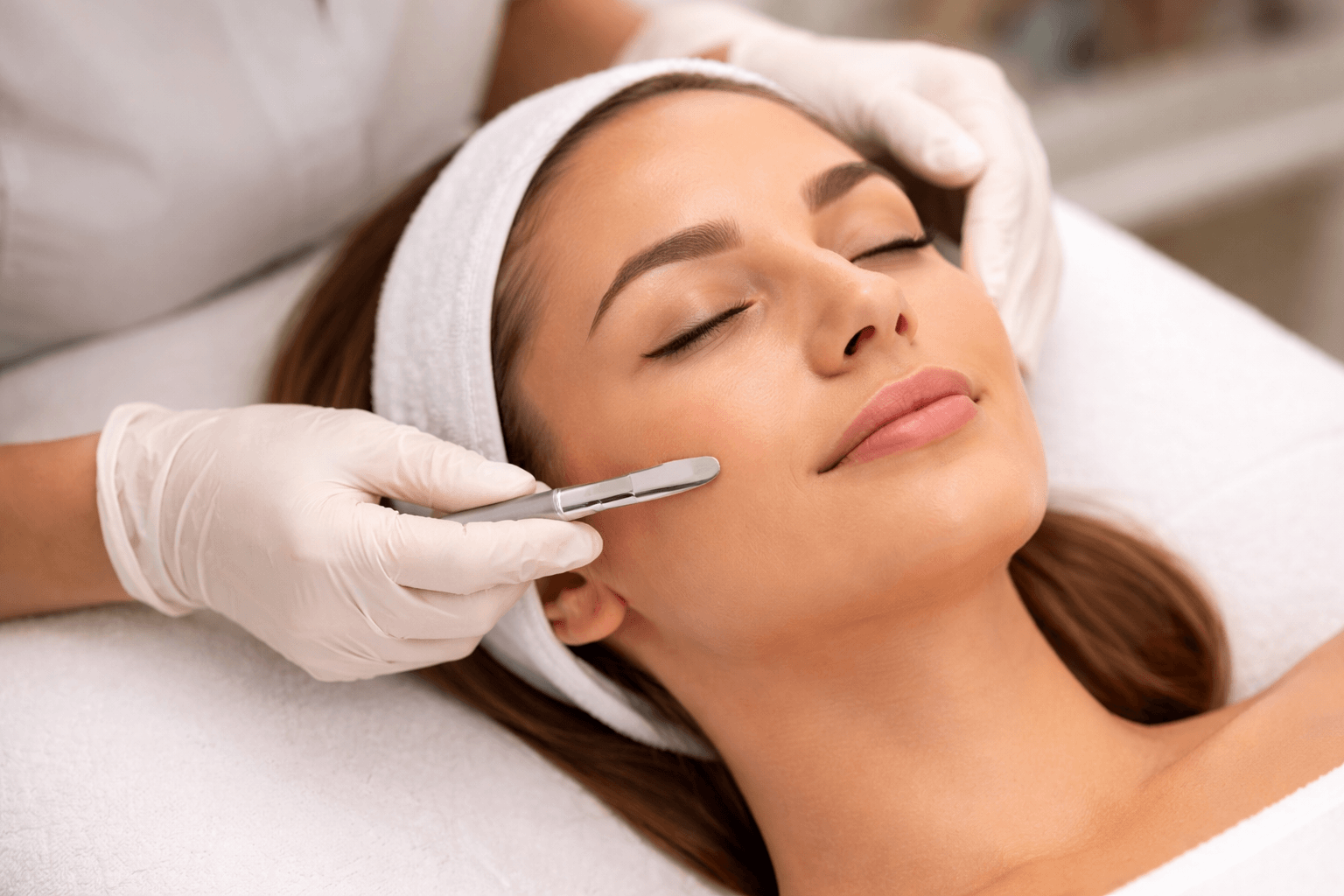
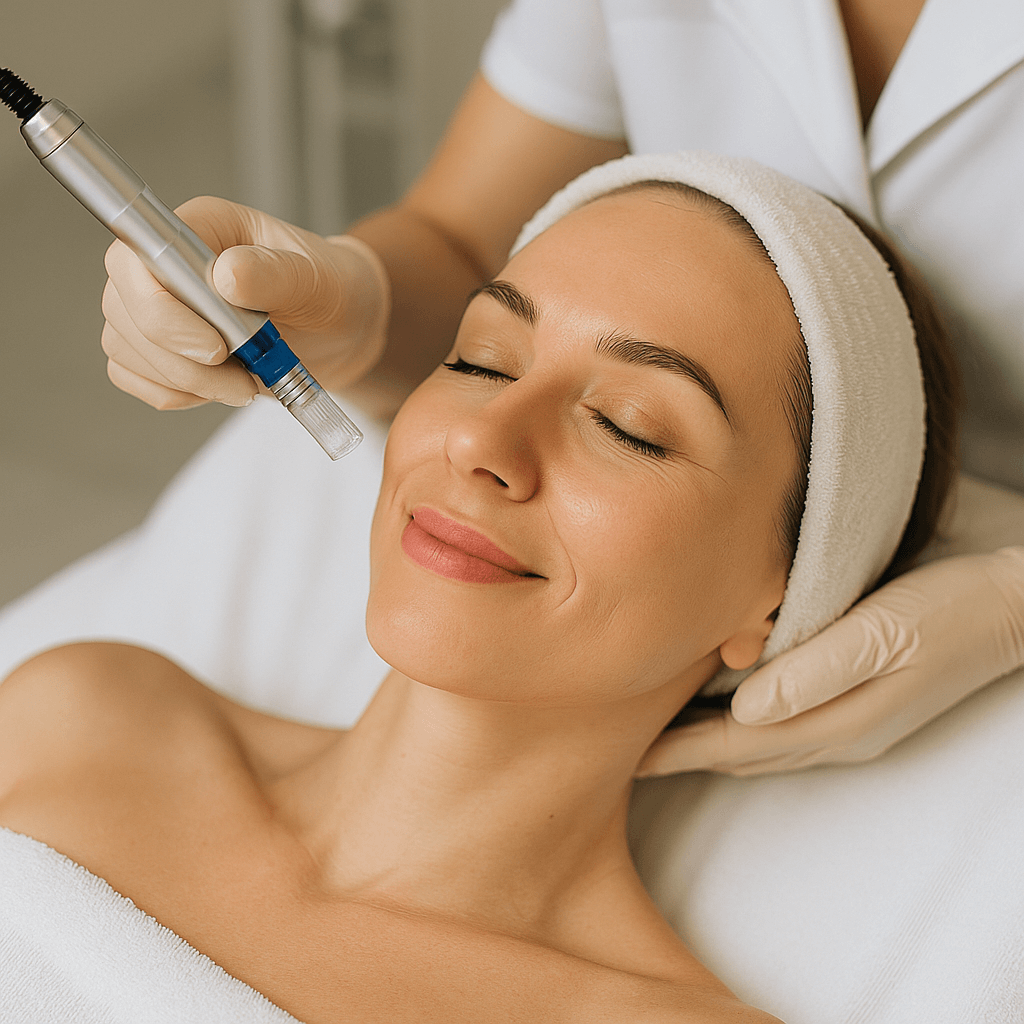
Many clients pair filler with other services for a more complete approach. Addressing dynamic wrinkles caused by muscle movement alongside volume loss is common, and treatments like anti wrinkle treatments and neurotoxins are often used together with filler for a more balanced result. Clients focused on overall skin quality alongside volume may also benefit from microneedling with PRP, which supports collagen production in the skin itself.
Hollow cheeks and tired looking under-eyes are not something you have to accept as an inevitable part of getting older. Once you understand that most of what you are seeing comes down to volume, not exhaustion, the path forward becomes a lot clearer. The team at Louisville Aesthetics offers dermal filler louisville patients have trusted for natural looking, carefully balanced results. Explore the full range of services or get in touch through the contact page to schedule a consultation.
At what age does facial volume loss usually start? Fat pad changes can begin as early as the late twenties, though most people do not notice visible changes until their mid thirties or forties, depending on genetics and lifestyle factors.
Is dermal filler only for older patients? No. Many younger patients use filler for subtle enhancement or early prevention, while others come in later once volume loss has become more noticeable. Treatment is based on individual concerns, not age alone.
Does dermal filler Louisville treatment look natural? When placed by an experienced provider and used in appropriate amounts, filler is designed to restore natural contours rather than create an obviously altered look.
How do I know if I need filler or a skin tightening treatment instead? This depends on whether your main concern is lost volume, loose skin, or both. A consultation can help determine whether filler, a treatment like Renuvion skin tightening, or a combination approach is the better fit.
Is there any downtime after getting filler? Most people experience little to no real downtime, though mild swelling or bruising can occur for a few days after treatment.
This guide was updated in August 2026 to reflect current dermal filler techniques and guidance for Louisville, Kentucky residents.













.png)
.png)
















.png)














.jpg)


